






For more than thirty-one agonizing years, a heavy, unresolved silence hung over the rural landscapes of Madison County, Illinois, casting a long shadow over a community that could never quite shake the memory of a horrific tragedy. This profound silence was born on a chilly, overcast November morning in 1993, when the vibrant life of thirty-four-year-old Randy Gail Sperino was violently and abruptly stolen from this world. Randy was much more than just a statistic or a name in a police file; she was a beloved daughter, a friend, and a woman with her whole life ahead of her, whose sudden absence left an irreplaceable void in the hearts of those who knew and loved her. When her body was discovered cast aside in a remote field, the shattering news ripped through her family’s world, beginning a grueling, decades-long journey of grief that seemed to have no end in sight. As year after year slowly bled into decades, the seasons changed, families grew, communities evolved, and the world underwent massive technological and cultural shifts. Under ordinary circumstances, time is a healer, but for the loved ones of a murder victim in an unsolved cold case, time is a cruel torturer. Each passing year only deepened the agonizing mystery, leaving them trapped in a perpetual state of limbo, suspended between the acute pain of their loss and the consuming frustration of not knowing who had committed this horrific act or why. This is the heavy, human cost of a cold case—how the world moves on, but for the grieving family, time remains permanently frozen on the day of the tragedy, leaving them to wonder if the killer was walking the same streets, sharing the same air, and living a full life while their beloved Randy was so callously denied hers.
The physical horror of the crime was laid bare on November 9, 1993, when Randy’s body was found in an unincorporated area near Granite City, bearing the devastating marks of massive, brutal blunt force trauma to her head. The sheer violence of the scene shocked the initial responding deputies, leaving a permanent mark on the hearts of the detectives who took on the daunting task of finding her killer. In those frantic early weeks, investigators worked with a fierce, desperate urgency, chasing down every rumor, knocking on hundreds of doors throughout southern Illinois, and meticulously re-interviewing everyone who might have crossed paths with Randy in her final days. They cataloged, organized, and preserved critical physical evidence, including biological material that they hoped might one day speak for Randy when she no longer had a voice. However, despite their relentless efforts and the initial momentum of the investigation, the search for the killer slowly ground to a painful halt as leads withered and turned to dust. Over the next three decades, the case file remained a persistent phantom in the Madison County Sheriff’s Department, handed down through generations of dedicated deputies who refused to let Randy’s memory be forgotten. Investigators periodically dusted off the thick cardboard binders, re-examined the evidence with fresh eyes, and ran DNA samples through existing databases every time technology took a step forward, only to meet the same frustrating wall of silence. This enduring commitment highlights a deeply moving, often unseen aspect of law enforcement: the psychological weight carried by detectives who refuse to let a file go truly cold, harboring a quiet, fierce determination that keeps them looking at a victim’s photograph and promising that, no matter how many years slip away, the truth will eventually be unearthed.
The turning point in this thirty-year saga finally arrived not through a sudden stroke of luck, but through the visionary foresight of law enforcement leaders who recognized the potential of modern science long before it became a mainstream investigative tool. Seven years ago, Madison County Sheriff Jeff Connor made a crucial, forward-thinking decision to explore the emerging field of forensic genealogical DNA—an advanced, highly sophisticated scientific method that had not yet been widely adopted in criminal investigations. At a time when the technology was still in its infancy and viewed with skepticism by some in the legal community, Sheriff Connor and his dedicated team of investigators had the intuition to realize that this genomic mapping could hold the key to unlocking the secrets hidden within the decades-old evidence. Forensic genealogy is a deeply human science; it goes beyond the traditional, limited scope of state and federal DNA databases by tracing complex family trees, mapping genetic connections across generations, and using public family databases to home in on a suspect’s identity. This technique essentially crowdsources justice, utilizing the digital footprints of distant relatives who uploaded their DNA to discover family heritages to inadvertently point a finger at a killer. State’s Attorney Tom Haine warmly praised this extraordinary blend of modern technology and old-fashioned police work, emphasizing that advanced scientific tools are useless without the persistence and dedication of human investigators. The breakthrough was achieved because generations of investigators were willing to revisit old wounds, knock on doors, and carry out the exhaustively detailed grunt work required to bridge the gap between 1990s forensic capabilities and the highly advanced molecular biology of the 21st century.
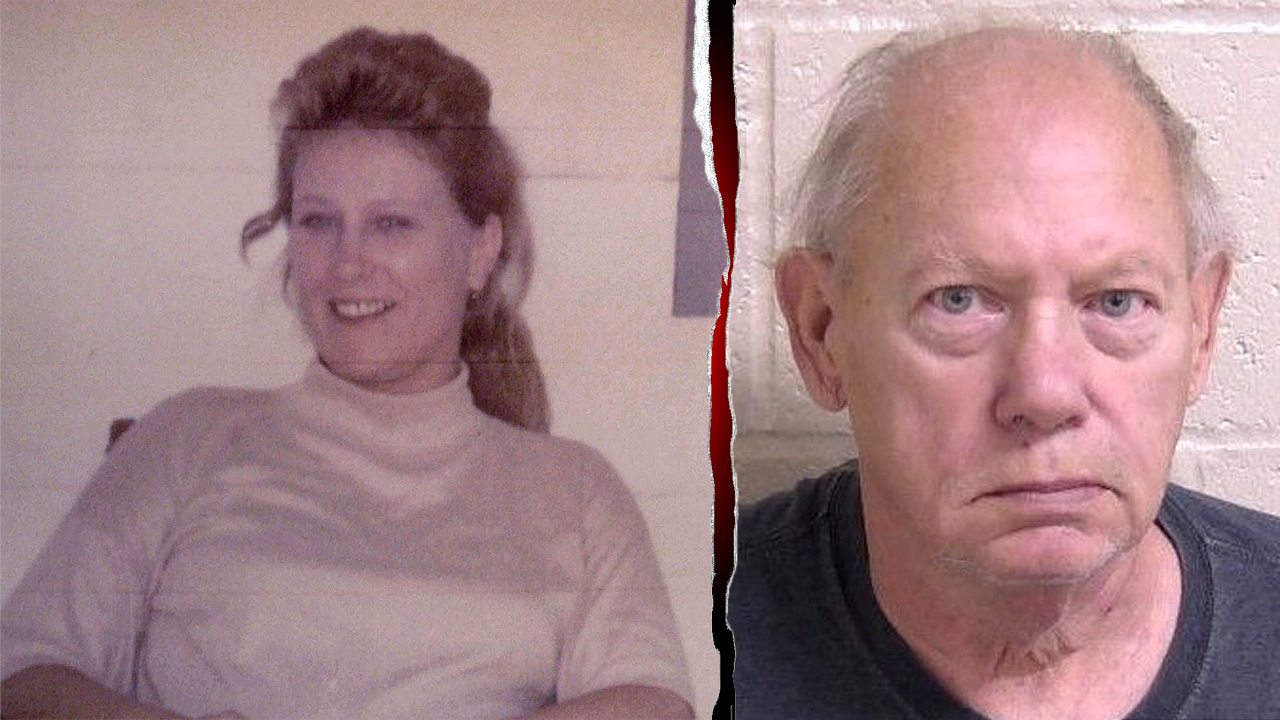
Through the intricate, winding branches of genetic genealogy, the faceless shadow that had successfully evaded justice for more than thirty years was finally given a name: Albert L. “Buddy” Zigler, a seventy-year-old resident of Caseyville, Illinois. This startling revelation brought to light a deeply disturbing contrast that is often the most painful part of cold case resolutions: while Randy Sperino’s life was abruptly cut short at age thirty-four, her alleged killer had been allowed to live a long, undisturbed life, aging into his golden years while harboring a dark, horrific secret. When confronted by investigators who had meticulously pieced together the puzzle of her death, the carefully constructed facade of Zigler’s quiet life shattered, culminating in a chilling and detailed confession. Zigler admitted to the detectives that he had picked Randy up in Granite City on that fateful November night in 1993 and had taken her back to his residence. There, in a sudden, unfathomable burst of violence, Zigler beat Randy in his home using a heavy metal baseball bat or a steel pipe, causing the devastating injuries that would end her life. After committing the murder, he carried her lifeless body out to the secluded, rural field in Granite City, discarding her like trash in the cover of darkness before slipping back into his normal routine. He went on to experience thirty years of birthdays, holidays, and regular life events, all while carrying the memory of that brutal night locked deep inside his conscience. This horrific confession stripped away the abstract mystery of the cold case, laying bare the raw, terrifying reality of Randy’s final moments and demonstrating how a single act of unspeakable cruelty can echo silently through decades of ordinary life.
On a recent Tuesday, the legal machinery of Madison County—which had remained silent on Randy’s case for over three decades—finally lurched into motion with immense, deliberate force as State’s Attorney Tom Haine officially announced first-degree murder charges against Zigler. The courtroom of Associate Judge James Hackett served as the solemn stage for the beginning of this long-awaited legal reckoning, as Zigler, now elderly and graying, stood to face the ultimate consequences of a crime he committed in his youth. The prosecution, representing a community and a family that had carried the weight of Randy’s loss for thirty-one years, filed motions seeking to hold Zigler in custody without bond, arguing passionately that the brutal nature of the offense made him a flight risk and a danger to society. As the court appointed a public defender to represent Zigler and scheduled the initial hearings, the formal, measured atmosphere of the courtroom stood in sharp contrast to the decades of raw, chaotic grief his actions had caused. Haine’s statements to the press and the public reflected a mixture of somber relief and rigid determination, emphasizing that while no amount of legal action or prison time can ever truly erase the deep trauma suffered by Randy’s loved ones, these charges represent an essential and hard-fought victory for truth. The court proceedings sent a powerful, unambiguous message to the public: that the passage of time does nothing to diminish the value of a human life, and that the state will never stop pursuing those who steal that life away, no matter how many decades they manage to hide.
Ultimately, this extraordinary breakthrough in the murder investigation of Randy Gail Sperino is far more than just a triumph of forensic science; it is a profound testament to the enduring power of human memory and the steadfast refusal of a community to let a victim be forgotten. For Randy’s family, the sudden arrest of Zigler brings a complex, overwhelming storm of emotions—a bittersweet mixture of long-overdue answers, reopened wounds, and a fragile path toward a sense of peace that had seemed entirely out of reach for more than thirty years. Her case stands as a shining beacon of hope for thousands of other families across the country who are still trapped in the agonizing silence of an unsolved loss, proving that no case is truly dead as long as there are dedicated professionals willing to fight for the truth. It serves as a gentle reminder that behind every cold case file is a real human being who was loved, who laughed, and whose absence left a permanent scar on the hearts of everyone they left behind. As the legal process begins to unfold and the wheels of justice grind toward a final verdict, the memory of Randy Gail Sperino is finally liberated from the cold shadow of an unsolved mystery, no longer defined by the horrific violence of her death or the decades of silence that followed, but instead honored by the relentless, decades-long pursuit of justice that refused to let her memory fade into the dark.