



Connecticut Standoff Reveals Tragedy Beyond the Barricade
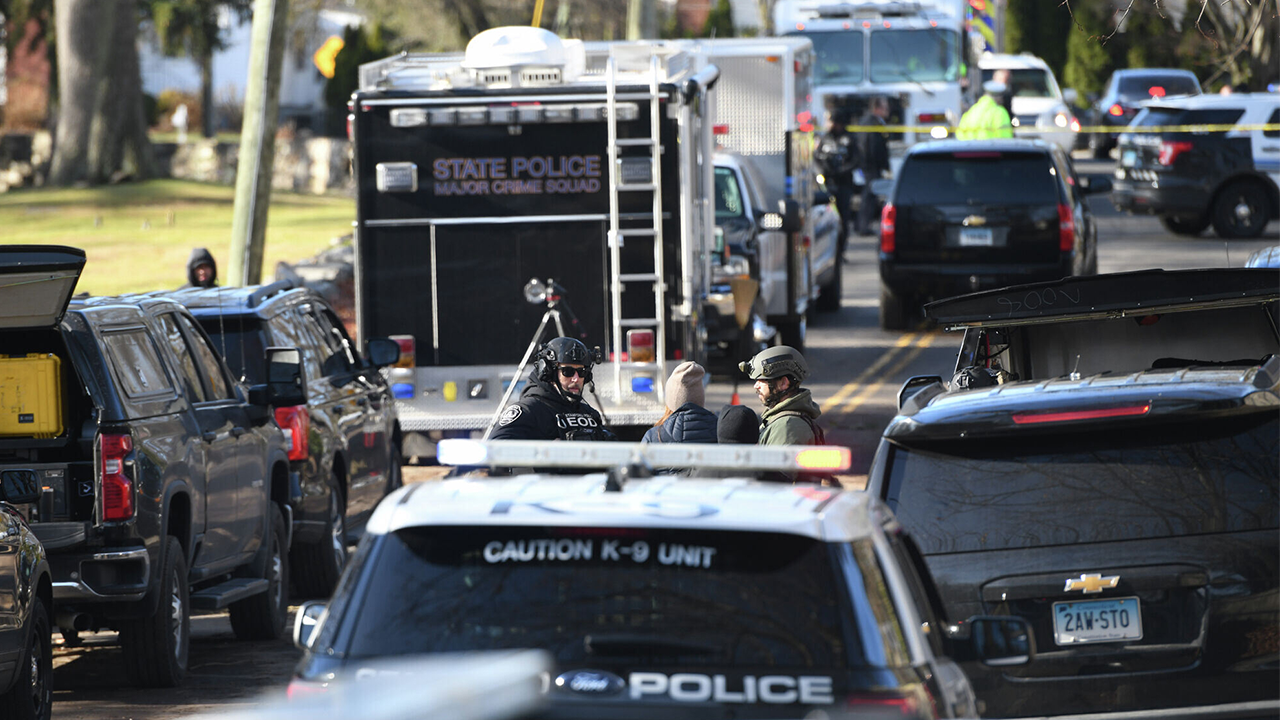
What began as a routine eviction turned into a harrowing discovery that shocked a Connecticut neighborhood this week. When a state marshal arrived at an Oaklawn Avenue home in Stamford to carry out a court-ordered eviction, 63-year-old Jed Parkington responded with gunfire, triggering an extensive standoff with police. Throughout the day, Parkington repeatedly opened fire on officers, damaging police vehicles and forcing officers to return fire. Fortunately, no law enforcement personnel were injured during these exchanges, but the situation grew increasingly tense as negotiators spent hours attempting to communicate with the barricaded resident.
The standoff came to a tragic end when police eventually entered the property and discovered Parkington dead from what appeared to be a self-inflicted gunshot wound. However, the true horror of the situation was only beginning to unfold. As officers methodically cleared the residence, they made a disturbing discovery on the second floor – a decomposed human body. The identity of this person and their cause of death remain under investigation, creating more questions than answers for a community already shaken by the day’s events. Adding to the danger, investigators found an arsenal of homemade explosives throughout the property, including pipe bombs, grenades, and Molotov cocktails, necessitating the immediate deployment of the Stamford Police bomb squad to secure the premises before detectives could safely process the scene.
“This was an extremely dangerous incident that tragically resulted in the loss of two lives,” Stamford Police Chief Timothy Shaw stated, acknowledging the gravity of what had transpired. He praised the coordinated efforts of local, state, and federal law enforcement agencies who worked together throughout the crisis. The collaborative response included not only tactical units but also hostage negotiators who spent hours attempting to establish dialogue with Parkington, hoping for a peaceful resolution that never materialized. These professionals faced extraordinary danger, particularly given the presence of explosive devices that could have caused catastrophic harm to both responders and nearby residents.
The property at the center of this tragedy had been entangled in foreclosure proceedings for some time. Court records revealed that a bank had foreclosed on the home and formally demanded that residents vacate by April, as mortgage payments had ceased. Despite judicial intervention that offered Parkington the opportunity to maintain residency by resuming mortgage payments, the situation remained unresolved, culminating in last month’s eviction order. This financial backdrop adds another layer of complexity to an already multifaceted tragedy, highlighting how housing insecurity can sometimes spiral into crisis. The state inspector general’s office has now launched an investigation into the officers’ use of deadly force during the standoff, a standard procedure that will examine all aspects of the police response.
The community’s sense of security has been profoundly shaken by these events. What residents once viewed as an ordinary neighborhood has now become the site of an unfathomable tragedy. The discovery of improvised explosives raises alarming questions about Parkington’s intentions – was he simply planning to defend his home against eviction, or did he harbor more sinister plans that might have endangered others beyond the immediate confrontation? The decomposed body found in the residence adds another disturbing dimension, suggesting that something had gone terribly wrong in this home long before authorities arrived to serve eviction papers.
As investigators continue their meticulous work at the scene, the community is left grappling with the aftermath of this shocking incident. Stamford officials are working to provide support and resources to neighbors affected by the standoff, many of whom were evacuated from their homes during the dangerous situation. Questions about mental health resources, warning signs that might have been missed, and how to prevent similar tragedies in the future are now at the forefront of community discussions. While the legal proceedings regarding the property foreclosure followed standard protocols, this case demonstrates how conventional civil matters can unpredictably escalate into life-threatening situations, challenging public safety systems to better identify potentially volatile eviction scenarios before they reach the breaking point. For now, a neighborhood is left to mourn, reflect, and somehow find a path forward from an event that has forever altered their sense of safety and community.