


In a quiet but consequential ruling, a New York judge has decided that the young woman at the center of a sprawling and deeply painful sexual assault lawsuit against former Cornell University fraternity members may continue to remain anonymous as “Jane Doe.” The decision, handed down by New York Supreme Court Justice Phaedra Perry-Bond, allows the accuser to shield her identity from the public while the civil case moves forward—an outcome that her lawyers argued was essential not just for her peace of mind, but for her very safety. The lawsuit itself has already attracted intense media attention, not only because of the seriousness of the allegations—which include claims of drugging and gang rape—but because of the procedural twists and political firestorms that have surrounded the case since it was first filed. For Jane Doe, the pseudonym is more than a legal convenience; it is a protective barrier in a world she says has become frightening, isolating, and emotionally unbearable. Her legal team told the court that being publicly identified would expose her to “retribution and retaliation,” while also jeopardizing her social life, her career ambitions, and her family’s wellbeing. She described, in personal terms, the toll this ordeal has taken on her mental health, speaking of “extreme anxiety, depression, and insomnia” that have marked her days since the alleged attack and the ensuing legal battle.
In her ruling, Justice Perry-Bond weighed the traditional principle that court proceedings should be open and transparent against the extraordinary circumstances of this case. She ultimately concluded that Jane Doe’s privacy interests outweighed the general presumption of publicity, pointing to the “notoriety of the allegations” and, perhaps more tellingly, “the widespread reports of certain malicious actors’ behavior in attempting to threaten and retaliate against anyone tangentially involved in this case.” That language signals just how fraught the atmosphere around this litigation has become. The judge was clearly mindful that allowing the accuser to remain anonymous was not an effort to hide anything from the public, but rather a way to ensure she could participate in the legal process without being subjected to harassment or worse. Perry-Bond also took the unusual step of warning, in plain terms, that anyone who tries to harass or threaten Jane Doe, the defendants, or the lawyers involved could be committing a federal crime and could face prosecution. It was a stern and necessary reminder that this case, while playing out in civil court, sits on the edge of criminal law and carries real consequences for every person connected to it.
At the same time, the judge was careful to balance the anonymity granted to Jane Doe with the interests of the men she has accused. While she will remain publicly unnamed, the individually named defendants will continue to be identified in court filings, preserving some level of accountability and public understanding of who is being sued. But Perry-Bond also extended protections to those defendants for their personal information—home addresses, phone numbers, email addresses—and invited both sides to propose an agreement that would shield similar sensitive details for the defendants and, potentially, other people drawn into the case. This is a delicate and somewhat unusual balancing act. In many high-profile sexual assault lawsuits, the accused often demand that the accuser be named, arguing that fairness requires transparency. Here, however, the judge appears to be trying to create a safer, less toxic legal environment for everyone involved. The message seems to be that the case can proceed with public oversight and judicial integrity, without turning the participants into targets of online mobs, doxxing campaigns, or vigilante justice. It is an attempt to keep the courtroom doors open while also keeping the flames of public outrage from consuming the human beings inside.
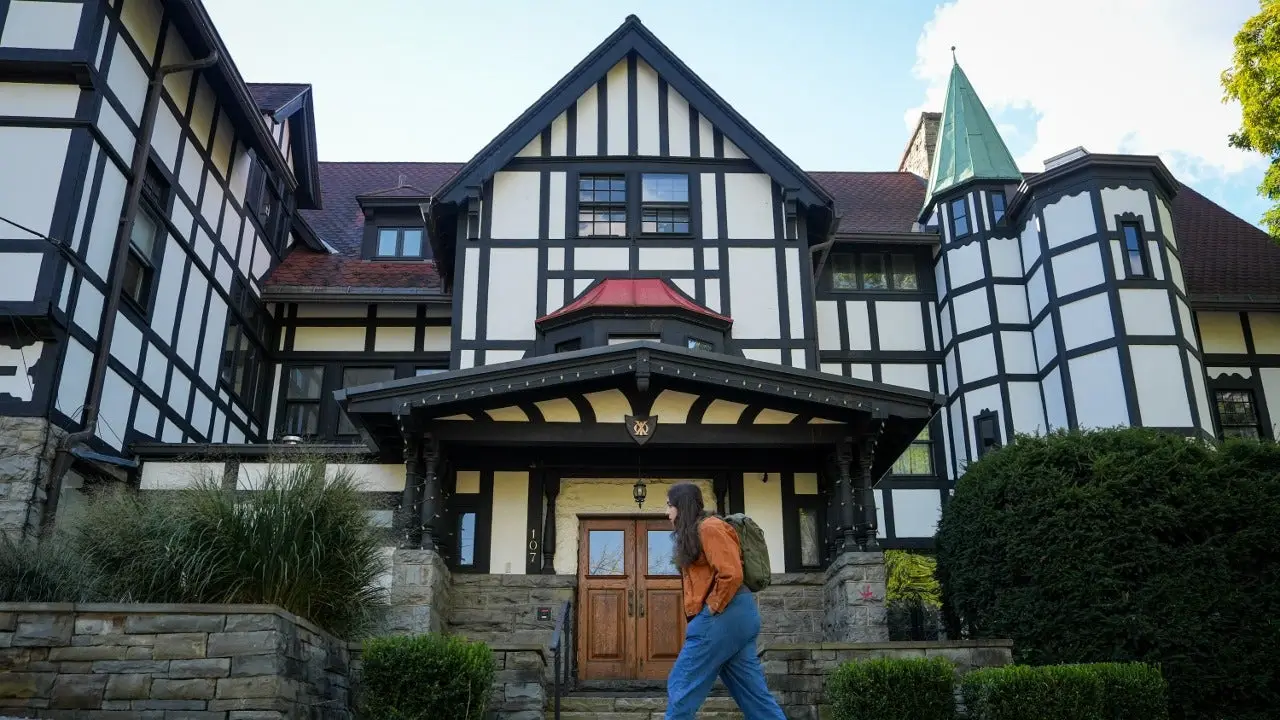
The underlying allegations are as serious as any that have emerged from college campuses in recent years. Jane Doe filed her lawsuit in September, accusing seven former members of the Chi Phi fraternity at Cornell of drugging and raping her on the night of October 19, 2024, and into the following morning. The lawsuit also names the fraternity itself, the university, and the bar where Doe says she was drinking before she arrived at the fraternity house. According to the complaint, Doe was already intoxicated when she walked into the house, and the men then pressured her to take ketamine and other substances before sexually assaulting her. The defendants have pushed back, with some maintaining that any sexual activity was consensual, and others denying that they were involved at all. The bar named in the lawsuit has also disputed her account, saying she was never served alcohol while underage. These conflicting narratives underscore just how contested and complicated the facts are. But for Doe, the filing of the lawsuit was an act of survival, a way to seek some measure of justice after months of struggling with trauma, confusion, and a criminal justice system that initially seemed to have let her down.
That system, in fact, has been at the center of a separate storm. The fraternity was suspended on November 8, 2024, the very day Doe reported her sexual assault allegations to campus police. Yet when local prosecutor Matthew Van Houten reviewed the case, he declined to pursue criminal charges. Van Houten later said that Doe’s sworn statement from November 2024 did not allege that she was drugged against her will or gang-raped. In his telling, her statement described her participation in drug use and sexual conduct as “voluntary, conscious, and consensual.” But then CBS New York obtained the transcript of Cornell police interviews with Doe conducted on November 14 and 15, 2024, in which she told investigators: “I can say with 100% confidence I was raped.” That revelation shifted the narrative dramatically. Doe’s attorney argued that Van Houten had never been given the full transcript, and the discrepancy between her sworn statement and the interview—or at least the perception of a discrepancy—forced Van Houten to announce last month that his office was reopening the investigation. The case had been dormant for nearly two years, and the reopening came only after the civil lawsuit thrust the allegations back into the spotlight. The back-and-forth raised painful questions about how sexual assault cases are handled, whether victims are taken seriously, and whether crucial evidence can slip through the cracks.
The political dimension of the case then escalated even further. Days after Van Houten reversed course, New York Governor Kathy Hochul removed him from the case, saying she lacked confidence in his judgment, and appointed state Attorney General Letitia James as special prosecutor. That appointment immediately drew fire from several defendants, who sought to have James removed on the grounds of alleged bias. Their argument rests largely on a social media post James made just days before her appointment—a post they claim showed sympathy for Jane Doe. In a court filing on Thursday, James responded that the defendants have no standing to question her appointment, and that even if they did, the governor has the power to appoint a special prosecutor. Another defendant, a former fraternity member, has filed a separate motion asking the state Supreme Court to disqualify James from any future grand jury proceedings, arguing that her public comments have already prejudiced potential grand jurors and undermined the fairness of the process. That motion remains pending. What emerges from all of this is a portrait of a case that is no longer just about what happened on a single night at a fraternity house. It has become a flashpoint in a larger national conversation about campus sexual assault, the discretion of prosecutors, the role of political figures in criminal justice, and the fiercely contested question of whose story gets believed. For Jane Doe, the ruling allowing her to remain anonymous may offer a small measure of relief, but the road ahead is still long, and the weight of it all—legal, emotional, and public—remains heavy.