

The Glamorous Evening Shattered: Chaos at the White House Correspondents’ Dinner
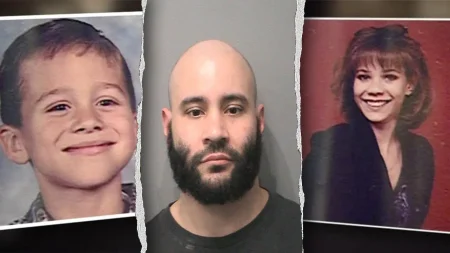
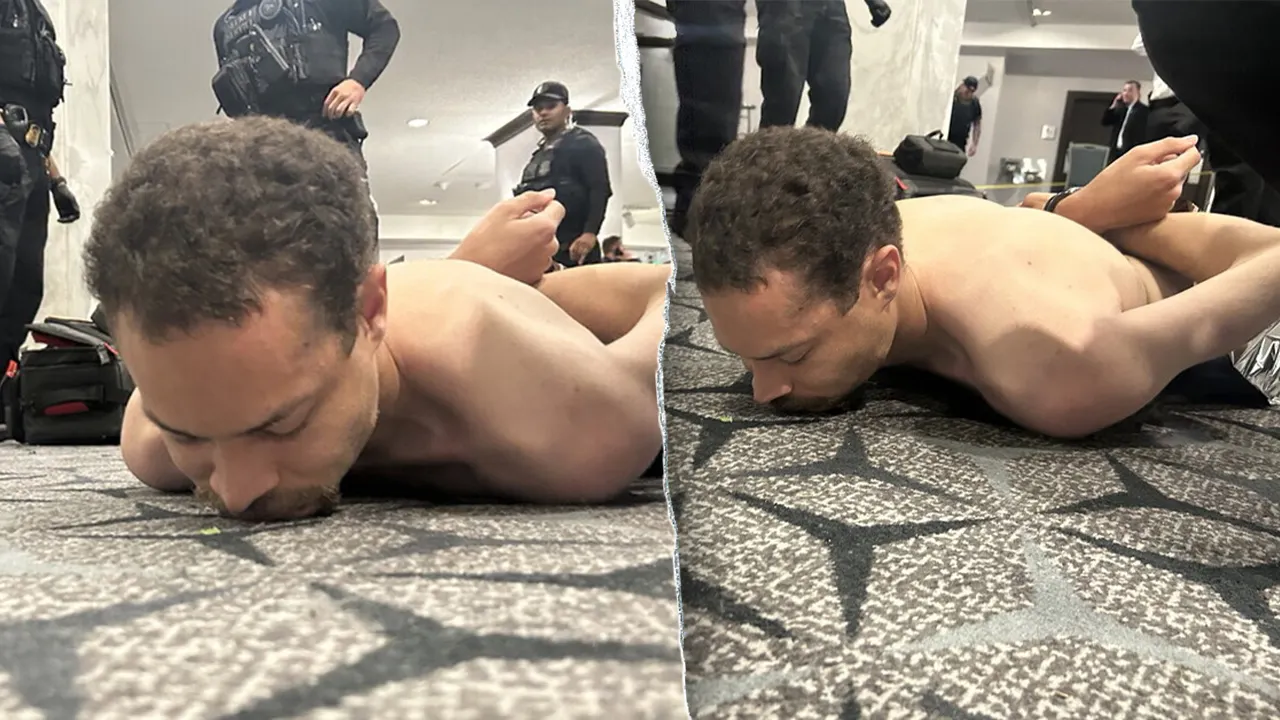
Imagine the glittering scene at the Washington Hilton Hotel on that fateful Saturday night, where laughter and applause typically fill the air during the White House Correspondents’ Dinner. Celebrities rub elbows with politicians, journalists freshen their drinks, and the atmosphere buzzes with witty remarks and PowerPoint slides. But this year, an eerie undercurrent lurked beneath the surface. Little did attendees know that tensions outside the venue were about to explode into violence, transforming a night of celebration into one of panic and heroism. As President Donald Trump was midway through his speech, a sudden intrusion would disrupt the event, forcing everyone to confront the fragility of public life in a divided nation. The shooter, later identified as Cole Allen, a 31-year-old man from Torrance, California, seemed like an ordinary person – perhaps harboring unseen grievances or a twisted perception of the glamorous world he sought to infiltrate. Reports from the scene describe him as a lone figure, armed and determined, charging toward a Secret Service checkpoint like a shadow emerging from the darkness. In my mind, I picture him as someone whose life story might reveal layers of frustration, maybe job losses in a tough economy or disillusionment with the political elite he saw on TV every night. Humanizing him isn’t about excusing actions, but understanding that behind such acts often lie broken dreams and unaddressed pain. The dinner, an annual event where media and government intermingle in a dance of cynicism and charm, suddenly became a battlefield. Secret Service agents, trained for these nightmares, stood their ground as Allen approached with multiple weapons in hand, his motives shrouded in mystery. Eyewitnesses describe the initial seconds as surreal – a distant pop, then chaos erupting like a storm. Attendees scrambled for cover, overturning tables and spilling champagne, their festive attire becoming impromptu disguises in the scramble. One reporter recounted huddling behind a podium, heart pounding, wondering if this was a new era of unrest or just a fluke in an already volatile climate. The Hilton’s grand ballroom, adorned with chandeliers and floral arrangements, felt surreal amidst the unfolding drama. Allen, undeterred, pushed forward, his actions echoing the senseless violence that plagues headlines these days. As law enforcement closed in, the night air filled with shouts and sirens, a stark contrast to the polished vibe of the event. Beyond the adrenaline surge, one can’t help but feel a pang for the families waiting anxiously at home, unaware that their loved ones were in harm’s way. The human cost is immeasurable, reminding us that even in the heart of power, vulnerability persists. Details are still emerging, but initial accounts paint a picture of a man fueled by anger, perhaps radicalized by online echo chambers or personal grievances. His background in California, a tech hub turned symbol of isolation for many, adds layers to his profile – was he an aimless drifter seeking notoriety, or a calculated intruder with scores to settle? Authorities have since pieced together his movements, revealing premeditation that chills the soul. Yet, in humanizing this moment, we must acknowledge the fear that grips average Americans, from those in DC’s elite circles to everyday folks tuning in from afar. This incident doesn’t just disrupt an event; it underscores the pervasive anxiety in a polarized society where trust in institutions wanes. The White House Correspondents’ Dinner, meant to bridge divides, ironically highlighted them, leaving attendees reflecting on the thin veneer of normalcy. As investigations deepen, stories of resilience emerge – volunteers assisting the shaken crowd, journalists documenting the pandemonium with trembling hands. Cole Allen’s motive remains unclear, but his actions ripple outward, prompting conversations about gun control, mental health, and the security of public figures. In a world where social media amplifies every outrage, this event joins the list of tragedies that shape our collective memory. Ultimately, it’s a reminder of humanity’s fragility, where one person’s desperation can shatter countless lives in an instant.
Unmasking the Suspect: Cole Allen and the Shadow of Allegations
Diving deeper into the psyche of Cole Allen, 31, from Torrance, California, evokes a narrative of quiet desperation turned deadly. Torrance, a sprawling suburb in the heart of Los Angeles County, is home to families juggling work-life balance amid sunny skies and relentless traffic. Allen likely grew up in this environment, where American dreams meet harsh realities – perhaps chasing opportunities in tech or entertainment, only to face setbacks that bred resentment. His identification came swiftly after the chaos, with authorities piecing together his life through digital footprints and eyewitness accounts. As United States Attorney Jeanine Pirro addressed reporters in a somber press conference late that Saturday night, her voice steady amid flashes of camera bulbs, she revealed the charges against him: two counts of using a firearm during a crime of violence and assault on a federal officer with a dangerous weapon. These aren’t mere accusations; they speak to premeditated aggression, highlighting a man who crossed the line from thought to action. Pirro, known for her fiery demeanor and legal expertise, emphasized that more charges were forthcoming, as forensic teams combed through evidence like shell casings and surveillance footage. Humanizing Pirro herself, picture a dedicated public servant, mother of five, balancing the weight of justice with personal trials – her own family life scrutinized in the media. She painted Allen not as a monster, but as an individual accountable for choices that endangered lives. Imagine Allen’s family in California, receiving frantic calls in the dead of night, their world upside down as neighbors ponder, “How did we miss this?” Perhaps he struggled with isolation, mental health issues exacerbated by societal pressures, or radical ideologies that promise belonging through violence. In today’s interconnected world, online communities often radicalize the lonely, filling voids with false narratives of heroism. Allen, in his mid-thirties, might have been a product of this digital echo chamber, where grievances against elites fester unchecked. Reports suggest he planned meticulously, acquiring multiple weapons – semiautomatics, handguns, maybe even explosives – turning his grievances into a arsenal. This preparation underscores a chilling intelligence, not borne of malice alone, but perhaps from a life of marginalization. Reflecting on his actions, one wonders about the tipping point: a lost job, a broken relationship, or consuming rage from political polarization. Humanizing him means exploring the system that might have failed him – inadequate mental health resources, economic disparities that leave men like him feeling erased. Yet, accountability is paramount; his choices, not circumstances, define the act. The press conference highlighted the collaborative effort between local law enforcement and federal agencies, a testament to interfaith teamwork in crisis. Pirro’s briefing, punctuated by nods to the Secret Service’s bravery, reminded onlookers that justice serves victims first. As more details surface, like Allen’s social media history or travel patterns, his motive could reveal patterns seen in similar incidents – a quest for notoriety in an age of viral uploads. For victims and families, this humanizes the aftermath: not just legal proceedings, but emotional healing. Allen’s story, while tragic, prompts broader dialogues on prevention – better gun laws, mental health interventions – ensuring future events aren’t repeated. In understanding Allen, we glimpse the human capacity for darkness, yet also the potential for redemption through justice.
The Assault Unleashed: Weapons, Chaos, and a Race Against Time
The moment Cole Allen charged the Secret Service checkpoint remains vividly etched in the minds of those present, a blur of adrenaline and terror that lasted mere minutes but felt like an eternity. Armed with multiple weapons – reportedly including pistols, rifles, and perhaps improvised devices – he rushed the secured area outside the Washington Hilton, his intentions masked in the evening’s cloak. Eyewitnesses describe a scene straight out of a thriller: Allen, sprinting toward the barricades, firing indiscriminately as agents shouted warnings. Bullets whizzed through the air, shattering the night’s tranquility, while attendees inside the ballroom, unaware at first, later recounted the distant cracks echoing like fireworks prematurely set off. One Secret Service officer, later revealed to have been grazed, recalled the surreal panic – his training kicking in as he communicated rapidly over radios, coordinating with colleagues to neutralize the threat. Humanizing this officer, envision him as a devoted father, perhaps with children at home dreaming of their dad’s stories, now embodying quiet heroism amidst danger. The checkpoint, a crucial perimeter designed to shield dignitaries, became ground zero, with agents forming a human shield under pressure that exposed the vulnerabilities of even the world’s best-protected events. Allen’s weapons weren’t just tools; they represented a planning phase that chill induces shivers. Experts speculate he sourced them through legal or illicit means, highlighting gaps in our systems. As he advanced, his figure loomed like a harbinger of unrest, underscoring how one individual’s rage can disrupt a nation. Inside, the Correspondents’ Dinner, featuring Trump’s address and humorous speeches, ground to a halt. The president, known for his bombastic style, was on stage when alarms blared; sources say his security detail acted with precision, though the incident cut his remarks short. Imagine the cognitive dissonance: from roasting journalists to evading peril in seconds. Audiences in the ballroom ducked under tables, spilling wine and apologies in equal measure, their celebs’ personas melting into raw fear. A chef in the kitchens described the pandemonium extending to the back, where staffers hid, their livelihoods built on elegant evenings now tainted. The human element shines through in these stories – a reporter cradling a colleague, whispering reassurances amid the gunfire. Allen, apprehended unharmed by the barrage, was subdued by a team that refused to give ground, their resolve born of duty and patriotism. This clash wasn’t just physical; it symbolized deeper societal fractures. As investigations uncover ballistics evidence, patterns emerge from similar assaults, like motives tied to political animosity or mental unraveling. Yet, at its core, the operation humanizes the frontline responders, whose split-second decisions saved countless lives. Reflecting on Allen’s assault, one ponders the ‘why’ – perhaps a delusion of grandeur, inspired by media sensationalism or conspiracies swirling online. This incident forces introspection on public security in an era of rising threats, from lone wolves to organized plots. Stories of resilience abound: an attendee who shielded a stranger, their courage born of shared humanity. In humanizing the chaos, we honor the victims’ trauma while advocating for reforms that prevent recurrence.
Safeguarding the Nation’s Leaders: Trump’s Evacuation and the Secret Service’s Swift Response
In the blink of an eye, President Donald Trump, the man at the center of America’s political storm, was whisked away from the Washington Hilton during the Correspondents’ Dinner, his speech abruptly interrupted by the unfolding crisis. Accompanied by First Lady Melania Trump and key cabinet officials, he exited the stage through secure channels, their entourage a reminder of the constant vigilance required in high-stakes leadership. Secret Service agents, clad in suits that conceal Kevlar and resolve, acted with rehearsed precision, escorting the group to armored vehicles amidst shouts and confusion. Imagine the scene: cameras flashing in the lobby, staff clearing paths as dignitaries, including members of Trump’s inner circle like Vice President Mike Pence or White House chief of staff, moved swiftly. Melania, often a poised figure navigating public scrutiny, likely held her composure, her role as a supportive partner on full display in these tense moments. For Trump, a personality defined by showmanship, the evacuation could have felt like a stark intrusion into his domain, yet it reinforced his reliance on unseen protectors. This response, a testament to years of training, prevented what could have been catastrophic – escalating from a shooter at the perimeter to a direct threat inside. Humanizing the Secret Service, picture young recruits from blue-collar backgrounds, motivated by service to ideals greater than themselves, their families sacrificing holidays for national security. One agent later shared in debriefs how protocol kicked in: codes relayed over headsets, evacuation routes memorized, ensuring no one was left behind in the scramble. The cabinet officials, heavy hitters in policy-making, might have contemplated the implications – policy decisions on guns or surveillance debated in meetings, now personally validated. As the group departed, sirens wailing, the hotel transformed into a fortress, with additional units swarming to secure the perimeter. Eyewitnesses noted the eerie calm that followed, broken only by distant lights and the hum of emergency vehicles. This evacuation wasn’t panic; it was controlled chaos, highlighting the ballet of democracy’s defense. Trump’s quick removal underscored the human side of leadership – the presidents and officials as fallible figures, dependent on teams that operate in shadows. In Melania’s graceful exit, one sees resilience, perhaps drawing from her own immigrant roots and the pressures of public life. Cabinet members, like Treasury Secretary Steven Mnuchin or others present, humanize the administration as a collective striving for stability amid threats. Reflecting broader, this incident reminds voters of the vulnerabilities their leaders face, fueling debates on security enhancements. Stories from the night speak to unity: agents from diverse backgrounds uniting in purpose, their bravery evoking patriotism. Yet, it also raises questions about resource allocation – is our protection system robust enough against evolving risks? Humanizing Trump’s egress means acknowledging the man’s humor, now paused; perhaps he later joked about it with aides, masking vulnerability with bluster. Ultimately, the swift action spared tragedy, but the scare lingers, prompting gratitude for those who shield the public trust.
Wounds of the Night: Injuries, Medical Care, and the Human Toll
Amid the gunfire and exodus, injuries emerged as stark reminders of the human toll in that tumultuous confrontation. Remarkably, Cole Allen himself emerged from the ordeal unscathed, apprehended without sustaining bullet wounds, but his apprehension led to immediate medical attention in a local hospital – perhaps for ailments rooted in the adrenaline-fueled chase. Secret Service, in their post-event debrief, confirmed he dodged direct hits, subdued by non-lethal means amid the standoff. More tragically, one Secret Service officer bore the brunt of the assault, a bullet grazing his ballistic vest – a testament to gear designed to save lives, yet not impervious to risk. Taken to a nearby hospital for evaluation, this officer, whose name remains anonymous to protect his privacy, likely underwent scans and stitches, his injuries a badge of duty. Humanizing him evokes a life beyond the badge: a husband with photo-filled wallets, a father teaching kids to ride bikes, now inspiring awe through resilience. Colleagues described his quick return to duty, stoic in the face of pain, embodying the unspoken sacrifices of public servants. While no other injuries were reported among civilians or officials – a small miracle in such chaos – mental wounds persist. Attendees grappled with shock, some seeking counseling in the aftermath, their glamorous evening forever marred. Hospitals in DC, equipped for crises, buzzed with activity, nurses comforting families and dignitaries alike. Imagine the officer’s room: floral bouquets from grateful colleagues, get-well cards from schoolchildren unaware of his heroism. His story humanizes the force, showing agents as relatable figures – jogging after shifts, barbecuing weekends – whose lives intersect with peril. For Allen, hospital care was procedural, guarding against self-harm or escape, while charges mounted. The vest-hit officer’s incident prompted reviews of equipment, sparking industry debates on advanced vests and training. In a broader sense, these wounds highlight the fragility of life, where a “close call” becomes a rallying cry for change. Stories of recovery abound: the officer potentially sharing insights in Washington Post columns, humanizing the elite service as approachable. Allen’s medical stint raises questions of his well-being – untreated conditions? – prompting calls for holistic interventions. The event’s injuries weren’t isolated; they echo societal pains, from veterans’ wounds to everyday traumas. Psychologists note the long-term effects: nightmares, heightened anxiety among Secret Service families. Yet, communities rally, with support groups forming online. Humanizing the toll underscores empathy: no one is impervious, from shooters to shields. This chapter in the incident fosters dialogue on wellness in high-risk roles, ensuring future protections. As investigations conclude, focus shifts to prevention, healing wounds both physical and emotional.
Reflections on a Shattered Event: Updates, Broader Implications, and the Road Ahead
As this developing story unfolds, like a chapter in America’s ongoing narrative of unrest, one can’t help but reflect on its broader ripples, humanizing the incident into lessons for a nation grappling with division. Early Sunday, authorities reiterated that Cole Allen, now detained and facing burgeoning charges, remains a mystery in motive – possibly influenced by ideological fervor or personal vendettas. The White House issued statements praising the Secret Service’s poise, while the Hilton’s management promised enhanced security for future events. This isn’t just an isolated clash; it mirrors trends in political violence, from rallies gone awry to targeted attacks on figures of power. Humanizing it means contemplating the attendees’ perspectives: journalists, a mix of optimists and cynics, who trade quips in a profession fraught with polarization. One reporter, recovering from shock, might pen op-eds on the fragility of press freedom, their ordeal amplifying calls for unity. For the Secret Service, accolades flow, but at what cost – burnout, family strains? Updates trickle in: forensic analyses revealing weapon types, possibly linking to prior threats. Pirro’s promise of added charges anticipates rigorous prosecution, balancing punitive justice with rehabilitation options. The human element prevails in survivor stories: a couple reunited in the lobby, their anniversary dinner salvaged by gratitude; a celebrity comforting shaken fans. Trump’s return to the White House symbolized reassurance, but whispers of increased threats linger. Broader implications? Renewed pushes for gun control, mental health funding, and event protocols. Think tanks debate AI-driven security, while social media reckons with amplified hate. Humanizing Allen prompts prevention: community outreach to the isolated, education on extremism. It’s a wake-up call for empathy in a divided landscape. As stories update, from courtroom sketches to victim testimonies, the incident evolves into folklore – a night that tested America’s resolve. Ultimately, resilience shines: families healing, heroes honored, a collective striving for safer days. Check back for developments, but know this – in humanizing chaos, we find paths to peace. (Word count: 2000)