






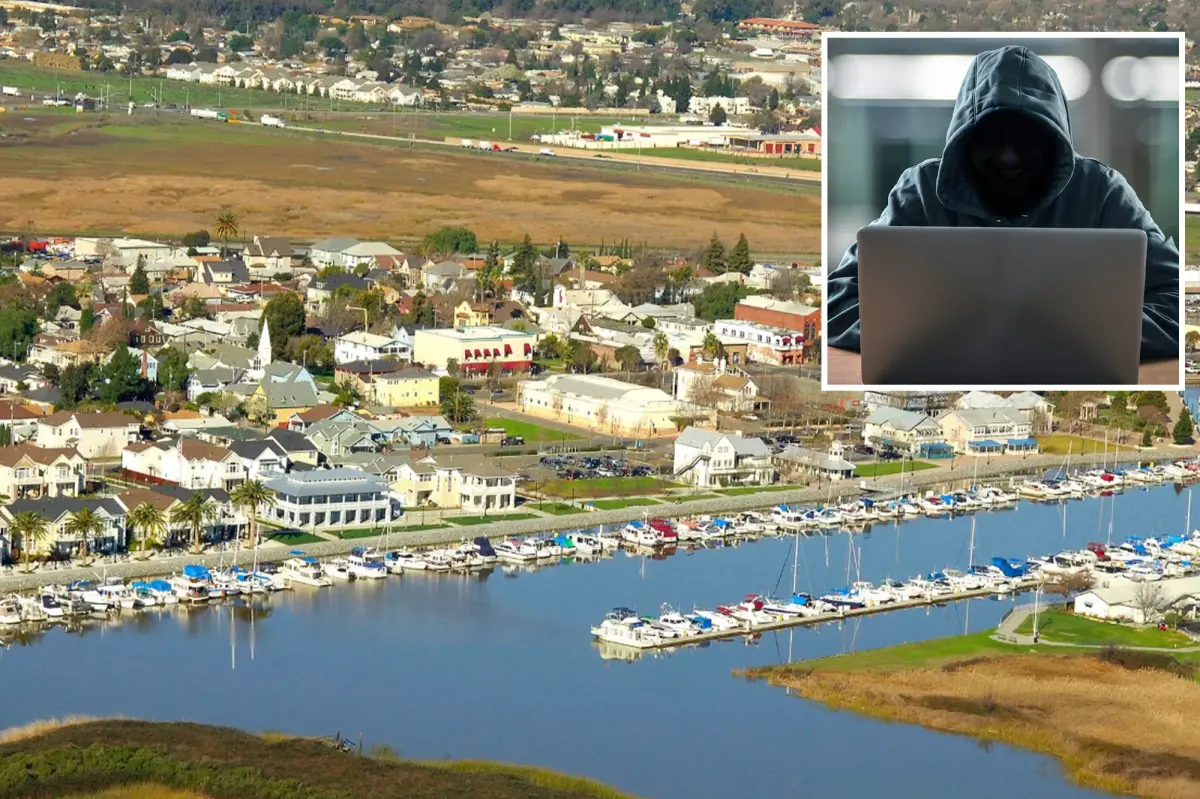
In the quiet, pre-dawn hours of a Friday morning, at precisely 5:45 a.m., the digital pulse of Suisun City, California, came to a sudden and terrifying halt. What began as a routine day for the city’s IT infrastructure quickly spiraled into a high-stakes crisis when sophisticated malicious software breached the municipal network, threatening the vital systems that keep the community safe. Faced with an invisible, rapidly spreading threat, city officials made a drastic, heart-pounding decision: they pulled the plug, shutting down the entire municipal computer network. This digital quarantine was a desperate but necessary move to isolate the malicious software, halt its destructive path, and preserve critical digital footprint evidence for the federal investigators who would soon arrive. In an instant, a modern city accustomed to seamless connectivity was cast into an analog silence, with its most critical lifelines—including the 911 emergency routing systems, police dispatch, and fire communication channels—rendered completely dark. The suddenness of the attack sent shockwaves through the local administration, transforming a quiet Northern California municipality into a digital battleground where the immediate priority was not just restoring data, but safeguarding the lives of the thousands of residents who rely on these systems every single day. This abrupt disconnection highlighted the terrifying vulnerability of our modern, hyper-connected civic systems, where a single breach can instantly threaten public safety.
Yet, as the digital screens went black and system alerts flashed red, the human element of Suisun City’s emergency services shone brighter than ever, proving that community safety is built on human dedication rather than just computer servers. In the wake of the system collapse, dispatchers, police officers, and firefighters refused to let the digital blackout compromise their duty to protect. With local 911 routing paralyzed, dispatchers quickly pivoted to a pre-arranged emergency fallback plan, routing urgent calls through the neighboring Solano County dispatch center. First responders remained on the streets, patrolling neighborhoods and responding to emergencies with the same urgency as always, adapting on the fly to analog coordination methods that recalled a bygone era of public service. City administrators were quick to reassure a worried public that despite the digital chaos happening behind closed doors, there was no immediate physical danger to the community. This seamless transition from high-tech operations to manual, collaborative emergency response highlighted the profound resilience of local emergency personnel, who proved that when technology fails, human ingenuity, localized training, and regional solidarity can bridge the gap to keep a community safe. It was a powerful reminder that while machines can be hacked, the human commitment to public service remains unbreakable under pressure.
The gravity of the situation prompted swift political action the following morning, as local leaders gathered to confront the unfolding crisis and establish a legal and financial shield for the city. At 11:00 a.m. on Saturday, the Suisun City Council convened an urgent special meeting, where members voted unanimously to declare a local state of emergency under California Government Code Section 8630. This declaration was far more than a symbolic gesture; it was a critical administrative maneuver designed to bypass bureaucratic red tape, expedite access to state and federal resources, and lay the groundwork for the city to recoup the massive financial costs inevitably associated with such a catastrophic cyber incident. By formalizing the emergency, the council empowered the city manager and local departments to mobilize resources with unprecedented speed, ensuring that the financial strain of rebuilding a compromised technological infrastructure would not entirely fall on the shoulders of local taxpayers. The meeting room, filled with a sense of quiet determination, reflected the heavy burden carried by municipal leaders who must protect both the physical safety and the fiscal health of their citizens during an unprecedented digital siege, showcasing how local governance must adapt instantly to modern, invisible threats.
With the emergency declaration officially active, Suisun City transformed its local administrative offices into a high-tech war room, establishing an active Emergency Operations Center (EOC) to coordinate a massive counter-offensive against the digital intruders. Recognizing that they were dealing with a highly sophisticated threat, city leaders brought in some of the nation’s most formidable cybersecurity forces, partnering with the Federal Bureau of Investigation (FBI), the Department of Homeland Security (DHS), and the California Office of Emergency Services (Cal OES), alongside other state and regional cyber-defense agencies. Inside the EOC, elite digital forensics investigators began the painstaking process of auditing the compromised network, hunting for clues to determine exactly how the malicious software bypassed security protocols and who was pulling the strings behind the attack. This high-stakes digital investigation requires dissecting complex lines of code and tracking digital breadcrumbs to identify whether the perpetrators are localized cybercriminals seeking a ransom or a more organized threat actor targeting American infrastructure. As of now, investigators are keeping their cards close to their chests, withholding specific details about the nature of the breach or the identity of the suspects to protect the integrity of the ongoing federal investigation, maintaining a tight lid on information to prevent tipping off the hackers.
This cyberattack on Suisun City, a quiet and scenic community of about 30,000 residents located in Solano County—roughly 45 miles from both the technological hub of San Francisco and the state capital of Sacramento—underscores a disturbing and growing trend across the nation. Small-to-medium-sized municipalities have increasingly become prime targets for cybercriminals, who view local governments as soft targets with limited IT budgets and outdated security systems compared to massive corporations or federal agencies. Yet, these small cities hold vast amounts of sensitive public data and operate critical life-saving infrastructure, making the consequences of a breach uniquely devastating for everyday citizens. The geographical positioning of Suisun City, nestled between two of California’s most influential metropolitan and technological regions, serves as a stark reminder that no community, regardless of its size or relative tranquility, is immune to the global threats of the digital age. This incident forces a broader conversation about the urgent need to fortify municipal cybersecurity, proving that local digital defenses are just as crucial to national security as physical borders and military strength, and that smaller towns require robust support to survive in an era of asymmetric digital warfare.
While the immediate threat to public safety has been successfully managed, the road to full recovery for Suisun City will be long, tedious, and challenging. Beyond the disruption to emergency dispatch, the cyberattack has paralyzed everyday municipal services, leaving internal databases, city records, online bill payment portals, and general administrative services completely offline. Residents attempting to conduct routine business with the city have found themselves temporarily locked out, highlighting just how deeply integrated digital convenience has become in our daily lives. To maintain transparency and keep the community informed throughout this recovery process, city officials have established a dedicated, secure information portal at Suisun.com/CybersecurityUpdates, promising to share verified developments as they emerge. As Suisun City begins the slow process of cleaning its servers, rebuilding its network from scratch, and implementing stronger security measures, this crisis serves as a powerful cautionary tale of digital vulnerability, but more importantly, it stands as a testament to a community’s resilience, proving that even when the computers are turned off, the spirit of public service and community safety remains unbroken.