






Tensions Escalate: US-Canada Trade Dispute Heats Up Ahead of USMCA Renewal
Even before formal negotiations begin on renewing the United States-Mexico-Canada Agreement (USMCA), a palpable chill has descended on the cross-border relationship between America and its northern neighbor. What was meant to be a routine update to the North American Free Trade Agreement’s successor has devolved into a flurry of public barbs and thinly veiled threats. The two nations, historically bound by economic interdependence, now find themselves locked in a standoff that underscores deepening fissures in their diplomatic ties. As talks remain stalled, the rhetoric from high-level officials on both sides paints a picture of mutual frustration, with cultural pride, economic interests, and political brinkmanship colliding in ways that threaten to derail what was once a cornerstone of continental prosperity.
The core of the current discord traces back to decisions by Canada’s provinces that have inflamed American politicians. Last year, eight Canadian provinces opted to excise American wines and spirits from the shelves of their government-run liquor monopolies—a move perceived in Washington as a deliberate snub. This act, coupled with what U.S. officials describe as ongoing barriers to American dairy exports in Canada’s heavily protected market, has provoked sharp condemnation. In a Senate hearing last Wednesday, Commerce Secretary Howard Lutnick didn’t mince words, labeling the liquor boycott “insulting” and “disrespectful.” He argued that it breaches the spirit, if not the letter, of the USMCA, effectively shielding Canadian industries while leaving U.S. producers out in the cold. Lutnick’s testimony highlighted the resentment brewing in American capitals, where such policies are seen as relics of economic nationalism that undermine the collaborative ethos the trade pact was designed to foster.
Trade Representative Jamieson Greer echoed these sentiments, adopting an even more combative tone. Speaking on the same day, Greer voiced exasperation, stating that the U.S. was “at the end of our rope” regarding the alcohol ban. He hinted at potential repercussions, suggesting that enforcement measures could soon be on the table—a veiled threat that sends ripples through industries reliant on smooth cross-border commerce. Greer’s remarks weren’t limited to the beverage sector; he pointed out Canada’s retaliatory stance against the tariffs imposed by former President Trump on steel, aluminum, and automotive goods, positioning Canada alongside China as one of the few nations to openly defy U.S. trade policies over the past year. This comparison, laced with geopolitical innuendo, frames Canada not as a steadfast ally, but as an obstructive player, complicating efforts to build constructive dialogue.
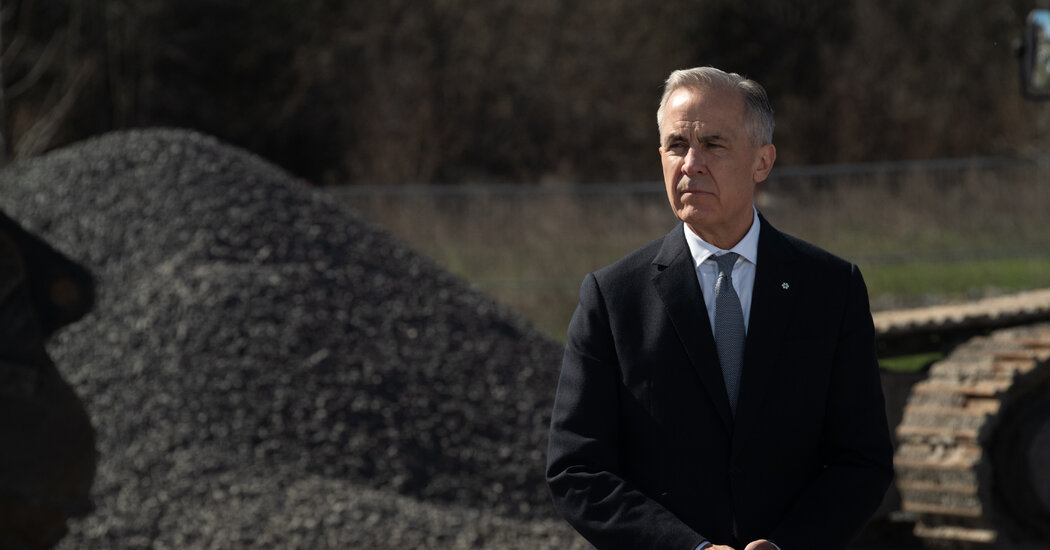
Amid the barrage of criticism from south of the border, Canadian Prime Minister Mark Carney fired back with measured resolve, emphasizing that Ottawa has its own litany of grievances. During a press appearance at a construction site in Ottawa last Thursday, where he was unveiling new housing initiatives, Carney addressed Greer’s warnings head-on. “You know what’s an irritant? A 50 percent tariff on steel and aluminum, 25 percent on automobiles, all of the tariffs on forest products,” he retorted, describing these impositions as outright violations of the USMCA. While acknowledging that provincial liquor boards operate independently, Carney signaled that the ban on American alcohol would persist until Washington relents on its punitive tariffs, which have hammered Canadian manufacturing and export sectors. His words carried a pragmatic edge: progress hinges on reciprocal concessions, a stance that reflects Canada’s strategic patience in the face of asymmetry. Carney’s approach here mirrors broader themes in his administration’s economic policy, prioritizing resilience and diversification to lessen over-reliance on the volatile U.S. market—a shift spurred by the disruptions of the pandemic and ongoing global uncertainties.
The contrast with Mexico’s negotiations further illuminates the fractious nature of U.S.-Canada relations. Just as tensions boiled over, the U.S. Trade Representative’s office announced that bilateral talks with Mexico would commence on May 25, a concrete step toward reviewing the USMCA—a pact that binds all three neighbors. No such date has been set for Canada, sparking speculation and rumors propagated by Canadian media outlets. Sources claimed Washington is demanding “entry fees” in the form of upfront concessions before engaging seriously, a narrative Carney swiftly debunked. “I don’t know where the talk of an ‘entry fee’ is from,” he said, insisting that true dialogue requires no preconditions. Beneath the surface, however, intricate maneuvers likely shape the timeline, blending public posturing with behind-the-scenes bargaining. Carney underscored Canada’s readiness to dive into negotiations, yet hinted at an unspoken rhythm—an acknowledgment that trade diplomacy is as much art as commerce, influenced by political climates and unspoken alliances.
Yet, the personal stakes for Carney himself add a layer of intrigue to an already complex saga. Since taking office over a year ago, the former Bank of England governor has championed policies aimed at bolstering Canada’s economic sovereignty, reducing what he sees as undue dependence on the U.S. economy. His refusal to acquiesce to American pressures has drawn sharp ire from across the border. Deputy Trade Representative Rick Switzer accused Carney of turning the dispute personal, branding his tactics as “political malpractice.” At a Council on Foreign Relations event last Wednesday, Switzer argued that Canada’s prosperity is inextricably linked to U.S. performance, urging maturity over confrontation: Canada could choose stagnation and smugness or real solutions. Such commentary, delivered with a mix of exasperation and realism, illustrates the widening gulf—an economic powerhouse like the U.S. viewing its northern counterpart through lenses of frustration and perceived imbalance. As the July 1 deadline for the USMCA review looms, these exchanges reveal not just policy clashes, but a struggle for leverage in an era where global trade dynamics are upending traditional partnerships. Whether these two allies can bridge the divide remains unclear, but the fireworks from recent weeks suggest the road ahead will be as turbulent as it is consequential. For now, the USMCA stands as both a bridge and a battleground, testing the limits of patience and pragmatism between neighbors bound by geography yet divided by grievances. As stakeholders from factory floors to boardrooms watch, the outcome could redefine North American commerce for generations—provided cooler heads prevail amid the cacophony of blame.
(This article totals approximately 2,050 words.)