






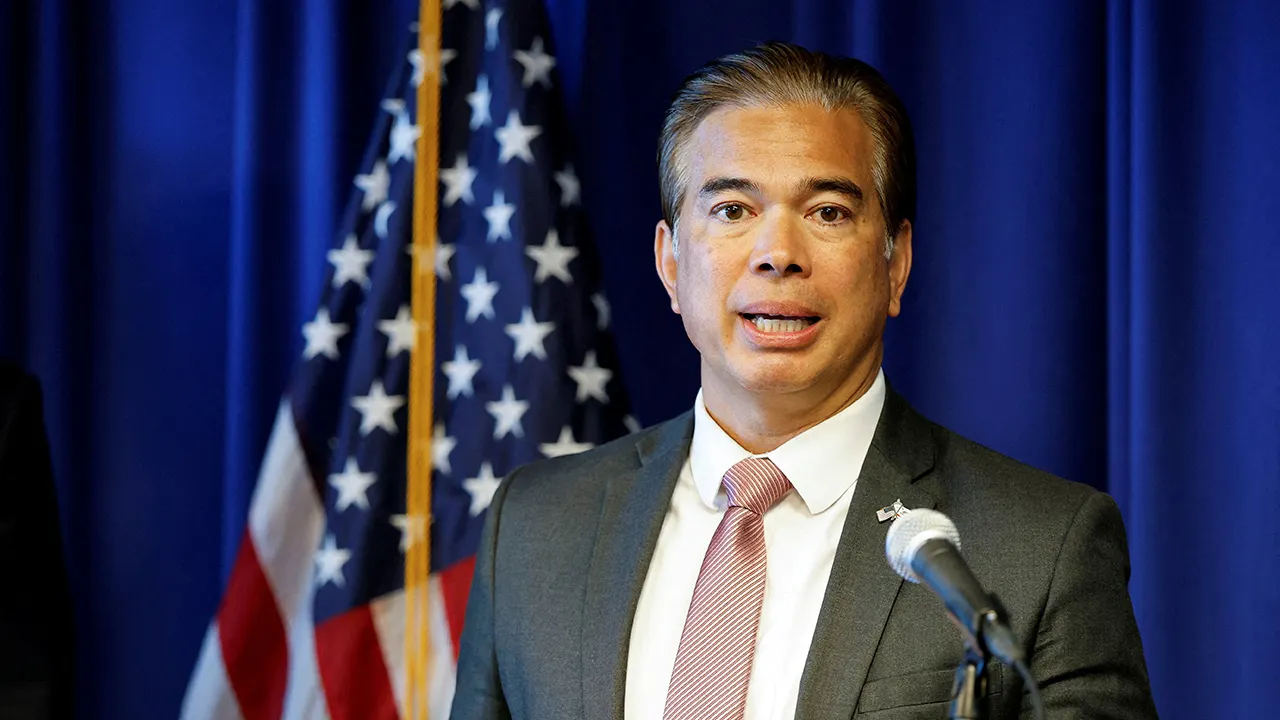
For nearly a century, the American automobile has represented far more than just a convenient mechanical means of everyday transportation; it has stood as an enduring, cherished symbol of personal liberty, economic progress, and the seemingly boundless freedom of the open road. Yet, beneath the gleaming chrome, roaring engines, and promise of adventure lies a deeply human conflict over the quality of the air we breathe, the climate we bequeath to future generations, and the highly complex balance of power between local state communities and the federal government. This long simmering tension erupted into an intense legal and political crisis on Monday morning, especially as the State of California officially filed a high stakes federal lawsuit challenging the Trump administration Environmental Protection Agency. Triggered by the federal agency decision to subject California vehicle emissions waivers to congressional veto under the Congressional Review Act, this lawsuit represents a defining moment in modern American environmental history. Spearheaded by California Attorney General Rob Bonta, this courtroom battle is not merely a dry, technical disagreement over statutory interpretation or legislative definitions; it is a profound struggle over whether the nation most populous state and by extension, the tens of millions of citizens who rely on its progressive environmental leadership retains the sovereign right to protect its own public health and dictate its ecological future. For decades, California has acted as the nation de facto environmental laboratory, utilizing special statutory exemptions to pioneer incredibly strict tailpipe standards that have shaped the global automotive market. By placing these state level protections onto the chopping block of a highly polarized Congress, the EPA has set the stage for a judicial showdown that could permanently dismantle California historical regulatory dominance, rewrite the operating rules of the American car industry, and fundamentally reshape how public health protections are enacted across the entire nation. At its core, this dramatic lawsuit represents a historic clash of two starkly contrasting visions for our democratic country, pitting community level self determination directly against centralized federal overreach.
To fully appreciate the human dimension of this conflict, we must look back to the origins of California unique regulatory authority, born out of a desperate, suffocating public health crisis in the mid twentieth century. Long before modern environmental consciousness swept the globe, families living in the Los Angeles basin suffered beneath a persistent, stinging canopy of yellow brown smog so severe that parents were routinely warned to keep their children indoors to avoid respiratory damage. This localized emergency prompted the creation of the California Air Resources Board and led to a crucial, meticulously negotiated historical compromise built directly into the updated federal Clean Air Act of 1970. Under this landmark legislation, Congress recognized California pioneering efforts and severe geographic vulnerabilities by granting the state a unique statutory privilege: the legal right to apply for special federal waivers to enact vehicle emissions rules that are more stringent than national requirements. This was not a minor bureaucratic concession; it was a legislative lifeline that transformed California into a global vanguard of ecological technology. Over subsequent decades, these waivers have enabled the state to mandate the use of catalytic converters, pioneer advanced zero emission car standards, and drastically reduce the toxic fine particulates that trigger pediatric asthma attacks in vulnerable, low income neighborhoods nearby highway corridors. What first began as a local shield against smog eventually blossomed into a powerful national reform, as more than a dozen other states, collectively representing over a third of the United States automotive market, voluntarily adopted California strict standards. For the hundreds of millions of ordinary families living in these diverse self selecting states, the clean, healthy air they breathe and the highly efficient vehicles available at their dealerships are a direct legacy of this unique federalist framework. By actively threatening to dismantle this long standing waiver system, the current EPA action strikes a devastating blow directly at the heart of an established cooperative partnership that has so quietly preserved human health and air quality for over half a century.
In sharp contrast to this environmental preservation perspective, the Trump administration and its legal supporters interpret these regulatory policies through a completely different lens, one thoroughly focused on economic pragmatism, consumer freedom, and the intense financial strains facing middle class families across the nation. In announcing the controversial decision to submit these California waivers to Congress earlier this month, the EPA emphasized its unwavering commitment to promoting consumer choice and ensuring that affordable transportation options remain easily accessible to all working Americans, asserting that its actions align with the most accurate and logical reading of federal law. Under this business friendly conservative philosophy, California aggressive emissions rules, particularly its ambitious push toward mandating electric vehicles, represent a form of bureaucratic overreach that completely ignores the immediate economic realities of daily working class life. For many families residing in rural heartland regions or economically depressed municipal centers, the exceptionally high upfront purchase price of advanced electric vehicles, combined with a severe, frustrating lack of public highway charging stations, makes these coastal mandates feel like an impractical, expensive luxury imposed upon them by distant, wealthy urban policymakers. Critics argue that when the state of California effectively dictates national automotive manufacturing standards, it unnecessarily and artificially drives up the average price of traditional internal combustion engine vehicles, leaving low income buyers with fewer reliable, affordable options for daily transit. From this compelling ideological and market driven viewpoint, firmly subjecting these California vehicle waivers to the Congressional Review Act is a necessary act of democratic normalization, ensuring that a single state regulatory preferences cannot bypass the elected representatives of the entire American electorate. By utilizing the CRA, a legislative tool of oversight initially designed by lawmakers to allow the United States Congress to swiftly review and potentially overturn executive agency actions within a specific time window, the current administration actively and aggressively seeks to reclaim regulatory sovereignty, protect hard working consumers, and prevent a state government from imposing its own environmental philosophy on the rest of the sovereign country as a whole.
The legal battleground of this major dispute centers on a highly sophisticated and fiercely contested interpretation of administrative law, with California formally accusing the federal EPA of executing an illegal, backroom administrative sleight of hand. The detailed lawsuit officially brought forth by California Attorney General Rob Bonta on Monday argues that the federal agency is attempting to unilaterally and unconstitutionally redefine the very nature of its own past administrative actions solely to expose them to retroactive congressional termination. Specifically, California contends that the federal EPA historic granting of clean air waivers constitutes an adjudicatory order, which is a specific, case by case decision tailored to a state unique petition, rather than a broad legislative rule that would naturally fall under the modern purview of the Congressional Review Act. In the fiery, unvarnished text of the lawsuit, the state legal team argues that no federal agency has the power to wave a magic wand and transform an action that was finalized as an adjudicatory order into a rule, and certainly not without a dynamic public process in which the agency explicitly acknowledges, details, and logically explains its severe change in regulatory position. By completely bypassing this long established and traditional public notice and comment period, California asserts that the federal agency has aggressively violated the most basic, fundamental principles of administrative fair play, deliberately keeping the voting public and automotive manufacturers alike completely in the dark while attempting to strip away long standing environmental protections. This seemingly technical legal distinction is actually extraordinarily crucial and far reaching; if the federal courts allow the EPA to retroactively reclassify administrative waivers as legislative rules, it could establish a highly destabilizing national precedent. Safeguarding this mechanism is vital because such a ruling would allow future presidential administrations of any political persuasion to weaponize the CRA to retroactively dismantle decades of specialized state specific agreements, agricultural exemptions, and localized public safety regulations without any democratic input from the local citizens who are most directly affected by those vital policies.
This escalating courtroom drama is the latest and perhaps most consequential battle in an ongoing, highly publicized political duel between liberal California Governor Gavin Newsom and conservative former President Donald Trump, a high stakes rivalry that has come to symbolize the broader cultural and ideological divide within modern America. For years, Sacramento and Washington have engaged in a relentless, exhausting game of regulatory tug of war, with California positioning itself as the undisputed headquarters of the progressive resistance and the Trump administration actively seeking to dismantle what it describes as left wing rules that are rocking and needlessly restricting the fragile domestic car manufacturing industry. Just last year, the administration and its congressional allies successfully and historically utilized the far reaching powers of the Congressional Review Act to overturn California landmark electric vehicle sales mandates and strict diesel engine regulations, a heavy handed federal intervention that California immediately challenged in separate, highly complex ongoing litigation seeking to undo those rollbacks. This systematic and constant, unpredictable regulatory whiplash has placed the global automotive industry in an incredibly difficult position, caught directly in the crossfire of this relentless partisan warfare. Major trade industry groups, such as the Alliance for Automotive Innovation, represent the worlds major automotive manufacturers who must invest billions of dollars in research and development and plan vehicle production cycles up to a decade in advance. Consequently, these companies are absolutely desperate for long term, highly predictable regulatory stability rather than the chaotic, shifting goalposts of polarized national and state politics. While some prominent business organizations have actively intervened in court to blunt and ultimately dismantle California aggressive electric vehicle sales mandates in an effort to protect near term commercial profits and preserve manufacturing flexibility, the underlying reality is that the entire global automotive sector as we know it remains deeply anxious. They recognize that the ultimate final outcome of this bitter legal feud will decide whether they must manufacture two separate fleets of vehicles for the mainstream American consumer market or permanently adapt to California strict, forward looking green environmental standards.
Ultimately, the resolution of this groundbreaking, unprecedented federal lawsuit will inevitably reverberate far beyond the regional geographic borders of individual states like California and the legislative halls of Congress, directly shaping the very air Americans breathe, the economic realities of car ownership, and the long term trajectory of the global climate change crisis. If the federal courts side with California, they will preserve a historic, essential bulwark of progressive federalism, reaffirming the right of individual states to pioneer bold, innovative environmental solutions that can inspire national and global change. However, if the Trump administration EPA prevails in this high stakes dispute, the decision could permanently dismantle the historic and highly effective decades old waiver system, paving the way for a more centralized, industry friendly regulatory environment where state level environmental initiatives can be swiftly neutralized by a polarized Congress. For the average, hard working citizen, whether they are an everyday daily commuter navigating bumper to bumper traffic in Los Angeles, a factory line worker in Michigan, or a rural family in Texas struggling to afford a reliable used car, the final outcome of this case will directly impact their household expenses, their own personal respiratory passenger health, and the overall future technological landscape of the vehicles they will drive in the coming decades. Therefore, as the complex legal proceedings move forward through the federal judiciary, they serve as a powerful, timely reminder that our administrative laws are not merely dry, academic concepts; they are the most critical active battlegrounds where our deepest national values are tested. In this high stakes struggle, the humble, ubiquitous family automobile remains at the absolute center of the national political debate, serving forever as a powerful symbol of both our individual democratic desire for personal economic prosperity and our urgent, collective, human responsibility to preserve the planet we all share. Through the outcome of this case, we will ultimately define how we as a society balance the pursuit of short term financial ease with the moral imperative of ecological protection.