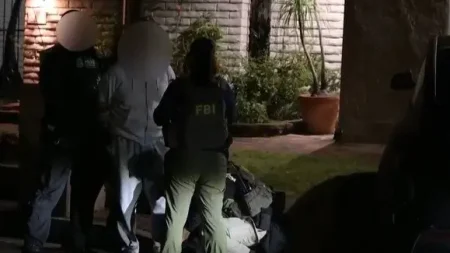



In the warm late-summer light of a new academic year, California State University San Marcos should have felt like a place of fresh beginnings—new notebooks, new routines, new friendships. But for many female students walking across campus, the atmosphere has instead become thick with unease and fear. In the first three weeks of the semester, four rapes were reported on campus, along with a reported breaking and entering that involved sexual assault. For women navigating the Quad, the parking lots, and the walkways between residence halls, the sense of safety that every student deserves has been deeply shaken. What should have been a time of excitement and possibility has become a time of vigilance, anxiety, and anger. Students say they are looking over their shoulders, avoiding poorly lit paths, and wondering whether the university is truly doing enough to protect them. The fear is not abstract. It is tied to places they live, study, and pass through every day—places that are supposed to feel safe. And so, a student has stepped forward, not just to voice her own fear but to channel the collective worry of many: a petition demanding that the university take meaningful, visible, and immediate action to address the threat of sexual violence on campus.
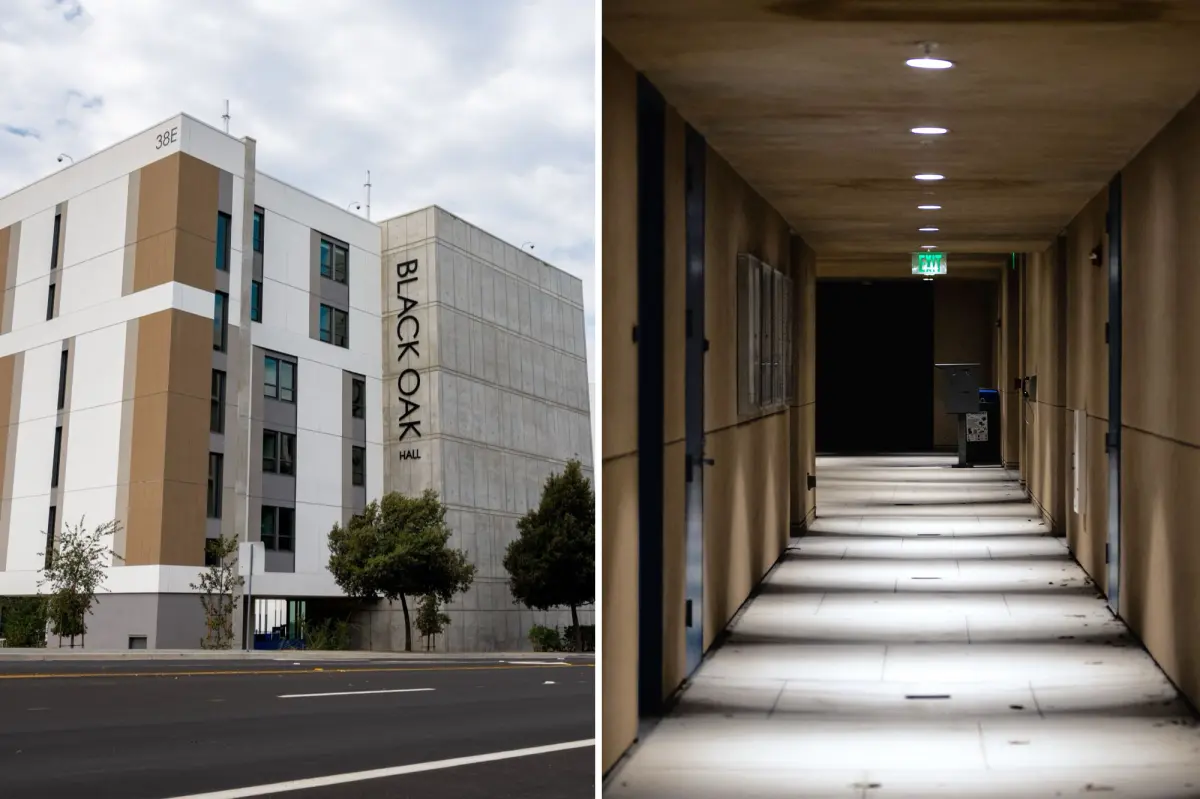
The petition, posted on Change.org on September 21, paints a stark picture of a campus on edge. It references not only the four reported rapes in less than three weeks but also a separate incident of breaking and entering and sexual assault, all occurring within a short window at the start of the semester. The locations named in the reports—The Quad, University Village Apartments, and Black Oak Hall—are familiar spaces, places where students gather, socialize, and rest. That familiarity is precisely what makes the reports so unsettling. The petition calls on the university to increase security in parking lots, the Quad, and other poorly lit areas, and it demands “complete transparency” about what officials intend to do to address the safety concerns. For the student who launched the petition, these are not unreasonable requests. They are basic expectations for an institution that has a duty of care. As she wrote, “As women, we have the right to a safe education just as much as the rest of the student body.” That statement, simple and powerful, captures the essence of the outrage: no student should have to choose between their education and their safety, and no student should have to navigate campus in constant fear of becoming a statistic.
Behind the formal demands of the petition lies a deeper frustration—a feeling among female students that they have been heard but not truly listened to. The student behind the campaign said she and other female students had reached out to the Associate Vice President for Campus Security but had not received a response. That silence stings. It suggests, perhaps unintentionally, that their concerns are not urgent enough to merit a reply. The petition also criticizes what the student describes as a lack of communication from the university about whether security would actually be increased. In the absence of clear answers, rumors and anxiety fill the void. Students are left to guess whether next week will bring more patrols, better lighting, or simply more alerts. The petition argues that students should not be expected to shoulder the burden of protecting themselves. This is a crucial point. Too often, safety advice directed at potential victims—don’t walk alone, be aware of your surroundings, carry pepper spray—places the responsibility on individuals rather than on the system that is supposed to protect them. The petition pushes back against that narrative. “CSUSM continues to propose reactive solutions to an active problem,” the student wrote. It is a sharp and uncomfortable truth: waiting for something to happen and then responding is not enough when the something happening is sexual assault.
The university, for its part, has not been silent. CSUSM spokesperson Jerry McCormick told the California Post that the four reported rapes were not believed to be connected and that the people involved knew one another in each case. He emphasized that “sexual assault is never acceptable and is never the survivor’s fault. Consent must be affirmative, voluntary and ongoing.” These are important words, but they are also words. For students who feel endangered, they may ring hollow without concrete action behind them. The university issued campus safety alerts about the reports under the federal Jeanne Clery Campus Safety Act, a legal requirement designed to keep students informed of crimes on campus. McCormick also noted that the opening weeks of the academic year are a particularly vulnerable period for sexual violence on college campuses. “The first six weeks of the fall semester at universities across the nation are often called the ‘Red Zone,’ when the risk of campus sexual violence is elevated,” he said. This is a well-documented phenomenon, and acknowledging it is an important step. But for the petition’s supporters, awareness of the problem is not the same as solving it. Knowing that the risk is high does not make female students feel safer; if anything, it underscores the urgency of the university’s responsibility to intervene more actively.
The petition directly challenges the idea that education and individual precautions are sufficient. “We should not carry the full responsibility for taking extra careful precautions because of the disgusting actions of other students,” it states. This line resonates beyond the specific situation at CSUSM. It speaks to a broader cultural pattern in which survivors and potential victims are told to manage their own risk while perpetrators are treated as an unavoidable reality. The petition insists that the burden belongs elsewhere—on institutions, on policies, on those who have the power to change the environment. It calls on university officials to take a more active role in preventing violence, not just responding to it after the fact. That means more than putting up signs or sending out emails. It means visible security presence, meaningful repairs to lighting and infrastructure, transparent communication with students, and a genuine partnership between the administration and the student body. It means treating the safety of female students not as a secondary concern but as a foundational priority. The petition is not an attack on the university; it is an appeal to the university to live up to its own values and to protect the people who trust it with their futures.
As the petition continues to circulate and gather support, the situation at Cal State San Marcos has become a microcosm of a national conversation about campus sexual violence. The “Red Zone” is real, but so is the growing determination of students to demand better. They are no longer willing to accept a status quo that asks them to be afraid, to be careful, to be silent. They want their university to be a leader, not a bystander. The fear felt by female students in the first weeks of this semester is not something that will simply fade as the semester goes on. It will persist unless it is met with action. The hope embedded in this petition—and in the voices behind it—is that change is possible. That university officials will not just hear the demands but heed them. That the campus can become a place where women do not have to hold their keys between their fingers as they walk to their cars, where the darkness in the parking lots is not a source of dread, where the idea of a safe education is not a privilege but a right. Until then, the petition stands as a reminder that safety is not a gift granted by institutions; it is a promise they must keep. And for the students who have raised their voices, the time to keep that promise is now.