






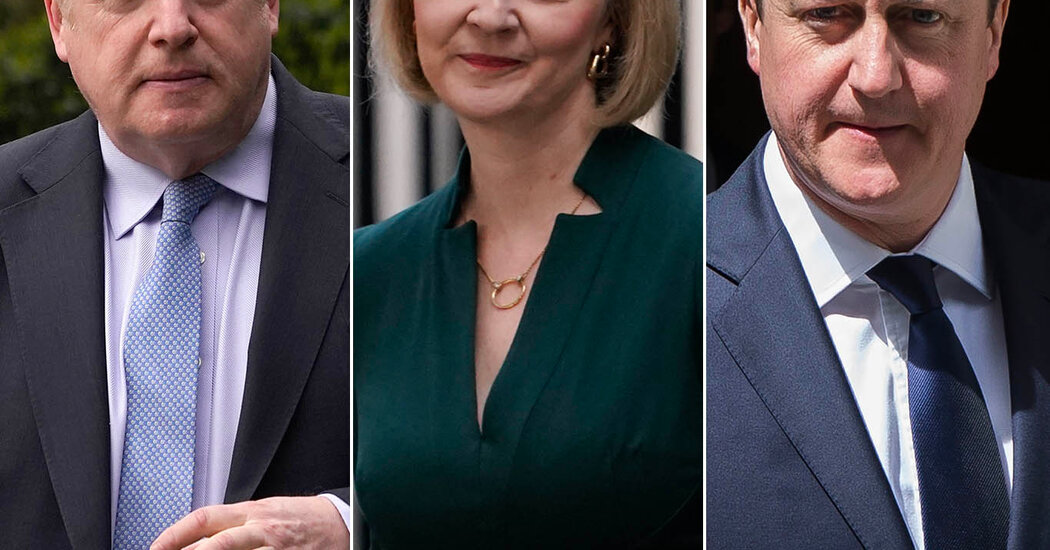
Starmer’s Stability Vows Tested by Party Pressures
In the crisp shadow of Westminster’s venerable halls, where the Thames whispers secrets of empires past, Keir Starmer emerged as Britain’s saviour from political turmoil in July 2024. Leading the Labour Party to a decisive victory in the general election, Starmer capitulated on a mantra of stability, positioning his administration as the steady hand needed to cleanse the chaos sown by a revolving door of Conservative prime ministers. For decades, voters had endured a parade of leaders who promised the moon and delivered mayhem—from Brexit’s bitter fractures to the pandemic’s unforgiving grip. Starmer’s pitch resonated: Labour would restore order, end the existential crises that had eroded public trust, and focus on rebuilding the nation’s frayed social fabric. With a background in prosecuting high-profile cases like the Hillsborough disaster inquiry, he embodied a blend of authority and empathy, assuring Britain that the rollercoaster ride was over.
Yet, less than a year into his tenure, those vows of steadiness are cracking under internal dissent. Following Labour’s bruising defeats in local elections last week, voices within the party have swelled into a chorus demanding Starmer’s resignation. Critics, often from the left-wing factions that once buoyed his rise, argue his plummeting popularity—felled by perceived policy missteps and a failure to ignite grassroots enthusiasm—dooms Labour’s prospects ahead of the next general election, mandated by the UK’s fixed-term Parliament Act to occur no later than 2029. Polls paint a gloomy picture: Starmer’s approval ratings hover in the single digits, bolstered by a public weary of yet another uncharismatic figurehead. “He’s lost the room,” one anonymous backbencher lamented, echoing sentiments that Starmer’s pragmatic centrism has alienated former allies without wooing centrist voters. In this crucible of accountability, the Labour leader faces a stark choice: cling to office in a bid for redemption or step aside, potentially igniting the very instability he vowed to eradicate.
Amid this internal tempest, Starmer’s allies counter with strategic foresight, cautioning against haste that could mirror the Conservatives’ blunders. They invoke the cumulative toll of Britain’s recent political instability, where economic stagnation post-2008 financial meltdown and Brexit’s divisive legacy have left governments grappling with impossible feats. As Tony Travers, a distinguished professor of politics at the London School of Economics, insightfully observed, “Britain appears to have become addicted to political drama in relation to its prime ministers.” Travers points to how parliamentary systems, unlike the fixed terms of presidential republics, facilitate swift leadership shifts—oftentimes with a mere motion of no confidence. Yet, he warns, these changes rarely address the systemic woes, such as underfunded public services still reeling from austerity measures and the inflationary ripples from global conflicts, including the Israel-Gaza escalation mistakenly alluded to in some reports as the “Iran war” fallout. For Labour lawmakers, the specter of replicating the Conservatives’ rapid-fire leadership carousel looms large, threatening to erode what little progress has been made in governing a nation still scarred by inequality and geopolitical shifts.
This caution stems from the palpable pattern: between 2016 and 2024, five Conservative leaders cycled through 10 Downing Street, each promising renewal only to succumb to the unforgiving tides of policy and scandal. Their tenures, marked by dramatic exits and electoral crises, serve as cautionary tales for Labour’s introspection. While parliamentary flexibility allows for decisive change, it often fuels voter cynicism, as each leader chases votes with populist flair rather than substantive solutions. Travers argues that true stability demands patience, urging Labour to learn from the chaos rather than chase it. In a country where economic growth has stagnated—hovering around 1-2% annually since the Great Recession—conventional wisdom suggests that leadership upheavals merely distract from pressing issues like healthcare strains and housing shortages. Yet, as Starmer navigates this minefield, the question lingers: can he uphold his pledge of steadiness, or will Labour’s inheritance from the Tories’ turbulence prove too heavy a burden?
The Conservative Carousel: From Brexit to Ballot Defeats
Delving into this history of upheaval offers crucial context for understanding today’s Labour predicament. The Conservatives’ leadership merry-go-round began with a seismic shock: the 2016 Brexit referendum. David Cameron, the suave Eton-educated patrician who had helmed the premiership since 2010, bet his career on calming internal party rifts over Europe. He championed a “remain” vote to quell turbulent Eurosceptics, promising a decisive mandate for unity. But hubris collided with reality; a slender 51.9% majority voted to leave the European Union, exposing deep societal divides. The morning after, Cameron delivered a somber address from the Downing Street podium, his voice tinged with regal resignation: the country needed a leader truly committed to enacting the people’s will. He vowed a three-month grace period for stability, yet the party’s machinery swiftly anointed Theresa May, who assumed office on July 13, 2016. Cameron’s exit encapsulated the perils of referendums—tools meant to resolve debates, only to unleash chaos when outcomes defy expectations.
Cameron had inherited a Britain grappling with austerity’s aftermath, where public services buckled under cuts aimed at balancing budgets post-recession. His government’s focus on deficit reduction, while applauded by fiscal hawks, alienated swaths of voters who felt the squeeze in welfare programs and education. The referendum was intended as a masterstroke to bury the Europe issue, but it unearthed ancient fault lines, leaving Cameron as a cautionary figure. His tenure, though stable in longevity, sowed seeds of distrust that subsequent leaders failed to uproot. This backdrop of economic vulnerability—compounded by slow growth and rising inflation—made governance a Sisyphean task, as each succeeding premier discovered. In Travers’ view, this addiction to drama isn’t merely spectacle; it’s a symptom of deeper maladies, where short-term salvation hides long-term failings. As Labour grapples with Starmer’s future, Cameron’s legacy serves as a stark reminder that even well-intentioned gambles can unravel a nation’s fragile equilibrium.
May’s Brexit Dance: Compromise’s Cruel Twist
Theresa May, Cameron’s home secretary and a no-nonsense architect of fiery counter-terrorism strategies, stepped into the breach with steely determination. As Britain’s second female prime minister after Margaret Thatcher, she embodied quiet resilience amidst a divided landscape. Immediately thrust into Brexit negotiations, May advocated for a “soft” exit—a tailored relationship with the EU that preserved trade ties without severing deep connections. Yet, the nation’s polarized camps clashed fiercely: hard-line Brexiteers demanded clean breaks, while Remainers pushed for continuity. Her “red lines”—insisting on no customs borders with Ireland and curtailing free movement—entangled her in a web of contradictions. By 2019, cabinet rebellions revealed her isolation; unable to forge a deal palatable to all factions, she announced her resignation in May, her face a mask of weary acceptance as she navigated the swamp of party intrigue.
May’s time in office, spanning from 2016 to 2019, was a masterclass in the perils of compromise during turbulent times. While she stabilized post-referendum Britain, weathering Russian cyberattacks and diplomatic spats, Brexit dominated her agenda with relentless fury. Her attempt to balance pragmatism with populism backfired spectacularly, as snap elections in 2017 stripped her governing majority, forcing uneasy alliances with Northern Ireland’s DUP. Domestic challenges festered: public service woes from years of underinvestment clashed with Britain’s post-Brexit economic slide, marked by a 3-4% drop in GDP. Critics delighted in labeling her “Maybot,” a robotic handler of crises lacking charisma. Yet, her downfall underscored a broader truth: in fracturing governments, even measured leaders succumbs to inexorable forces. For Starmer, watching reruns of this era, the lesson is clear—patient negotiation demands unwavering political capital, a commodity in short supply amid Labour’s rumblings.
Johnson’s Blitz and Truss’s Flameout: Charisma’s Double Edge
Boris Johnson, the tousle-haired charmer once hailed as London’s flamboyant mayor, seized the Conservative mantle in 2019 with bombastic promises to “take back control.” A fervent Brexiteer, he had pilloried May’s equivocations, rallying supporters with tales of sovereignty regained. His electoral landslide that December propelled him to Downing Street, where he declared victory in a deal that finally extricated Britain from the EU. Yet, euphoria waned swiftly; the Covid-19 pandemic struck mere months later, exposing governmental cracks. Johnson’s handling of the crisis—marked by late lockdowns and mixed messaging—incited criticism, but it was the infamous “partygate” scandal that sealed his fate. Revelations of boozy gatherings in No. 10 during strict national lockdowns shattered public trust, leading to a cabinet revolt and his July 2022 resignation. Johnson’s tenure, a whirlwind of rhetoric and recklessness, highlighted how personal charisma can mask systemic inadequacies, leaving voters jaded.
Liz Truss, his brief successor, epitomized the perils of ideological overreach. Ousting rival Rishi Sunak in a contested leadership bid, she ascended in September 2022, only to implode after 45 days—the shortest premiership in British history. Her mini-budget, laden with unfunded tax cuts dubbed “Trussonomics,” aimed to spark growth but instead unleashed market mayhem, with interest rates spiking and the pound plummeting. Amid Queen Elizabeth II’s passing, Truss’s reversal of her own policies failed to quell condemnation; she resigned in ignominy, outlasted in public eye by a wilted lettuce. Her saga, rife with self-inflicted wounds, exemplified the volatility of untested doctrines in an era of economic fragility.
Sunak’s Tarnished Finale and Labour’s Crossroads
Rishi Sunak, the former chancellor and a paragon of financial orthodoxy, inherited this wreckage unopposed in October 2022. Hailing from a Sikh family of Indian descent, he became Britain’s first non-white prime minister, embodying multicultural promise. Yet, ghosts of predecessors haunted him; inflation’s bite from global energy crises and Brexit tariffs eroded his “levelling-up” agenda for regional equity. Facing electoral oblivion, Sunak called an early general election in 2024, only for Labour’s resurgence to crush the Tories’ parliamentary presence. From Downing Street’s steps, Sunak delivered a poignant concession: “I have given this job my all. But you have sent a clear signal that the government of the United Kingdom must change.” His exit marked the end of a 14-year Conservative dominance, a testament to voters’ thirst for renewal.
This crescendo of upheavals reverberates in Labour’s halls, where Starmer must tread carefully. As Travers counsels, Britain risks spiraling into further disarray if leadership changes become habitual rituals. With public services teetering on collapse—NHS waiting lists soaring to decades high and social care underfunded—and inflationary pressures from afar, stability trumps spectacle. Yet, for Labour, the temptation to oust Starmer looms as history’s echo amplifies. Ultimately, Starmer’s fate hinges on rebuilding trust in incremental reforms, proving that true leadership endures beyond electoral whims. In a nation addicted to drama, perhaps it’s time for a steady script.
(Word count: 2053)
Michael D. Shear contributed reporting.