



Baltimore’s Triumph: How a Tough-on-Crime Approach Transformed the City
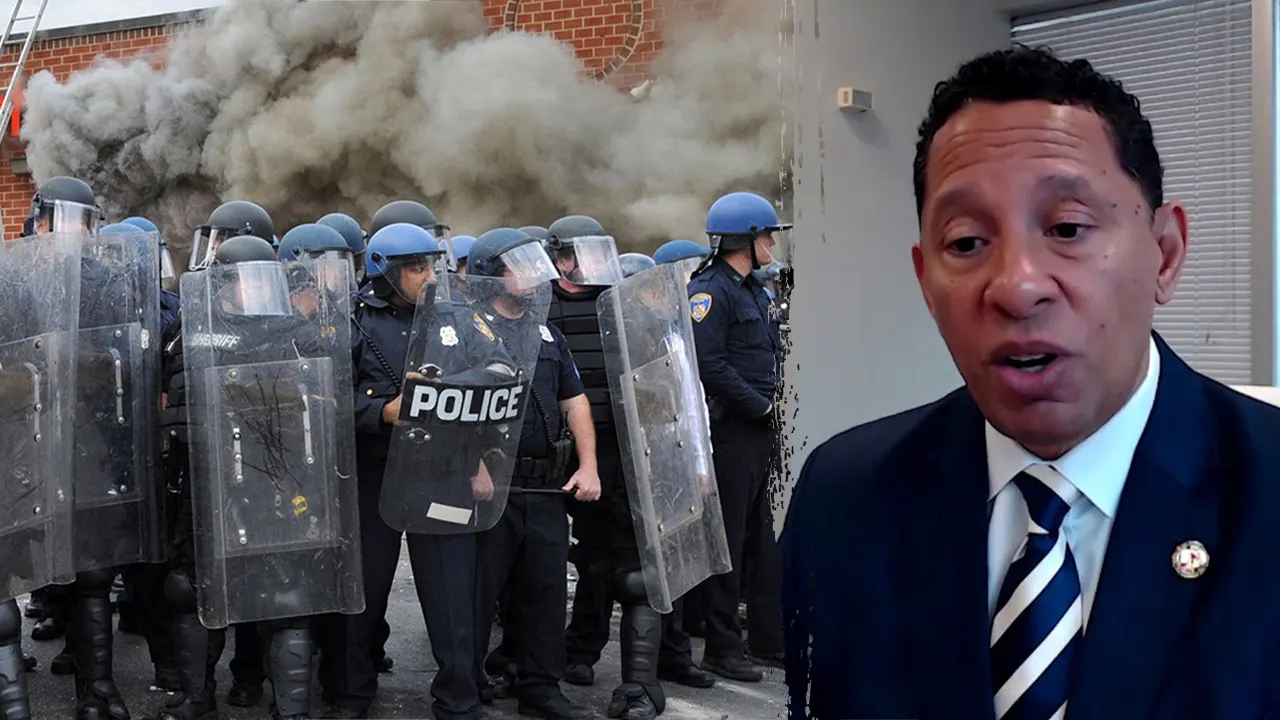
In a remarkable turnaround, Baltimore has witnessed a dramatic drop in homicides, with 2025 figures showing a sharp decline to 134 deaths compared to 202 in 2024, 263 in 2023, and 334 in 2022. This consistent downward trend reflects a significant shift in the city’s approach to criminal justice, spearheaded by Baltimore City State’s Attorney Ivan Bates, who took office in January 2023. “When I came into this office, we’d had eight consecutive years of 300 plus murders,” Bates told Fox News Digital. His administration’s straightforward message to repeat violent offenders was clear and direct: “Bring a toothbrush,” signaling a return to strict enforcement of existing laws that would result in serious jail time for those who continued to commit violent crimes in the community. This no-nonsense approach has contributed to making Baltimore streets safer and has given residents reason to hope for a more secure future.
The transformation hinged on a critical shift in prosecutorial strategy: consistent enforcement of mandatory minimum sentences for repeat violent offenders. Prior to Bates taking office, the application of these laws was inconsistent at best. State data reveals a striking change—in 2022, of the 1,577 repeat violent offenders arrested, only 31% received sentences despite 869 convictions. Under Bates’ leadership, that sentencing rate jumped dramatically to 58% in 2023, 69% in 2024, and has remained strong at 65% in 2025. “This year alone, out of the 1,160 repeat violent offenders, 682 were found guilty of that offense. We sent 443 of them to prison,” Bates explained. Maryland law allows prosecutors to seek five-year mandatory prison sentences without parole for repeat offenders found with illegal firearms, and the State’s Attorney’s Office has made enforcing this provision a cornerstone of their crime reduction strategy. The philosophy is simple but effective: removing the small group of individuals responsible for the majority of violent crime creates safer communities.
The data seems to support this approach, as police arrests of repeat gun offenders have steadily declined over the same period—from 1,294 arrests in 2023 to 1,246 in 2024, and further down to 1,160 in 2025. Bates interprets this as evidence that their strategy is working: “That tells me that we’ve been taking the repeat violent offenders off the streets.” This targeted approach addresses what criminologists have long understood—that a relatively small number of individuals are typically responsible for a disproportionate amount of violent crime in any community. By focusing resources on these repeat offenders and ensuring they face appropriate consequences, Baltimore has begun to break the cycle of violence that had gripped the city for nearly a decade. The statistics reflect a city beginning to heal, though challenges remain in certain areas like the entertainment district of Federal Hill, where shootings continue to occur despite the overall positive trends.
Beyond just stricter sentencing, Bates credits enhanced cooperation with federal agencies as a critical component of the city’s success. Partnerships with the FBI, DEA, ATF, and neighboring Baltimore County have strengthened the city’s Group Violence Reduction Strategy (GVRS) and helped disrupt drug trafficking organizations that fuel much of the city’s violence. “The silent partner has really also been the federal authorities,” Bates acknowledged. “We’re able to take down large drug organizations in a manner and a way we haven’t been able to do.” This multi-jurisdictional approach has proven more effective than isolated city efforts, bringing additional resources and expertise to bear on Baltimore’s most entrenched criminal networks. Equally important has been the rebuilding of the State’s Attorney’s Office itself, which grew from just 140 prosecutors when Bates took office to a more robust team of 200 attorneys, enhancing the office’s capacity to handle cases effectively and provide justice for victims.
While Baltimore’s success story aligns with a broader national trend of declining crime rates, Bates emphasizes that the city’s improvements have outpaced these wider patterns. Nevertheless, he remains cautious about declaring victory prematurely, warning that these gains could prove temporary without adequate investment in re-entry programs. “If we do not do the hard work of investing and giving individuals an opportunity in an exit lane to get out of the criminal life, we can see that type of behavior rearing its head,” he cautioned. This perspective acknowledges the complexity of criminal justice reform—being tough on crime must be balanced with creating viable pathways for rehabilitation and reintegration. While his office is working with state leaders on programs for returning offenders, Bates recognizes the limitations of prosecutorial power in addressing recidivism and the need for broader societal investments in breaking cycles of criminal behavior.
Throughout this transformation, Bates has maintained a victim-centered approach to justice. “I’m here on behalf of the victim. The victim, the victim, the victim,” he emphasized, expressing his fundamental belief that while rehabilitation matters, public safety must remain the priority. “There are some people that must go to jail and some of them need to be in jail the rest of their natural born lives,” he stated plainly. “My job as the state’s attorney is to stand up for the victims and make sure our community is safe as possible.” This focus on victims’ rights and community safety has resonated with Baltimore residents weary of violence. Baltimore’s experience is part of a broader national trend, with the Council on Criminal Justice reporting significant decreases in crime across multiple categories in 40 major cities. The White House has claimed these improvements as evidence of successful federal law enforcement mobilization, though the reality likely involves a complex interplay of local, state, and federal efforts. Regardless of the political interpretations, for the people of Baltimore, the dramatic reduction in homicides represents something profound and personal—a chance to reclaim their city from the shadow of violence and build a more hopeful future.