


The Shocking Tragedy in Austin
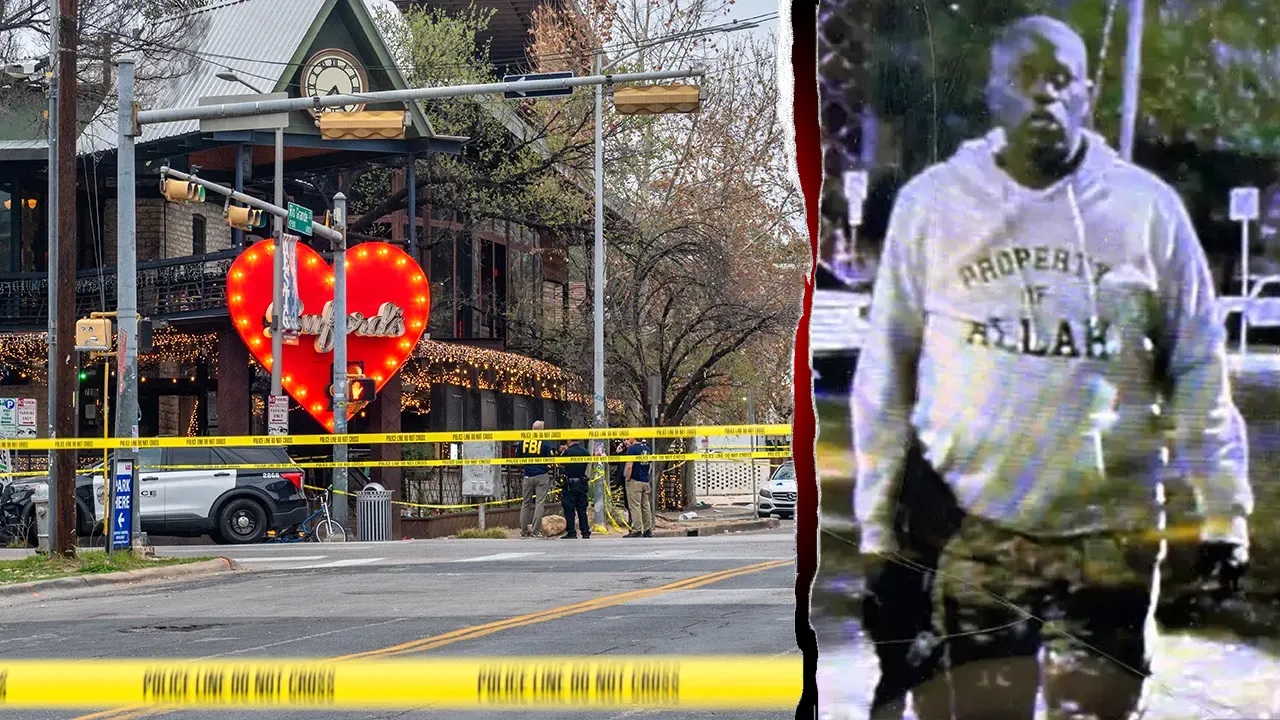
In the quiet hours just before dawn on a Sunday morning in Austin, Texas, a senseless act of violence shattered the lives of many, turning a casual night out into a nightmare. Outside Buford’s Backyard Beer Garden, a popular spot for locals and visitors alike to unwind with friends and enjoy the vibrant city scene, gunfire erupted around 1:58 a.m. Ndiaga Diagne, a 53-year-old man originally from Senegal, rolled up in his vehicle with his flashers on, lowered the window, and began shooting indiscriminately at patrons gathered on the patio and in front of the bar. The chaos was swift and brutal—people who had been laughing, dancing, and sharing stories moments before suddenly found themselves dodging bullets in a scene that evoked the worst fears of random terror. Diagne, described as wearing a sweatshirt emblazoned with “Property of Allah,” stepped out of his car at times to continue his rampage, spraying shots at those who tried to flee. Three lives were lost in the immediate aftermath: Diagne himself, gunned down by responding police at 2:00 a.m., and two innocent bystanders—21-year-old Savitha Shan and 19-year-old Ryder Harrington. Shan, a young woman with a bright future ahead, probably dreaming of her college days or her career ambitions; Harrington, just stepping into adulthood, perhaps with aspirations for music, sports, or simply making more memories in Texas. An additional 14 people were left wounded, grappling with physical and emotional scars that would haunt them for years. This wasn’t just a shooting; it was a human tragedy that rippled through a community, leaving families in grief, survivors in shock, and a city questioning its sense of safety. Eyewitness accounts paint a picture of confusion and panic—patrons yelling for help, some dragging injured friends to safety, others hiding behind tables or vehicles as bullets flew. The bar’s outdoor seating, usually a place of joy and connection, became a bloodstained battlefield. For those who escaped unharmed, the trauma lingers like a fog, reminding them of the fragility of peace. Police Chief Lisa Davis described the shooter coldly: he didn’t enter the bar, but his actions from his car and on foot turned a peaceful gathering into a massacre. Davis’s voice, steady yet somber in the press conference, reflected the weight of the responsibility on her shoulders. How does one explain such an outburst? Diagne’s motives remained shrouded in mystery at first, but the indicators pointed to something deeper, something that chilled the hearts of investigators and the public alike. As families mourned their lost loved ones, questions swirled: Was this a lone wolf inspired by far-off ideologies, or something orchestrated from abroad?
Diagne’s journey to that fateful night was a long one, marked by a path from a young Senegalese immigrant to a naturalized American citizen with a checkered past. Born in Senegal, he entered the United States on a B-2 tourist visa in March 2000, stepping into a new world of opportunity amid the booming early 2000s. By June 2006, he had secured lawful permanent residency after marrying a U.S. citizen, a decision that tied his life to American soil. Four years later, in April 2013, he became a naturalized citizen, pledging allegiance to a country that had given him a chance to rebuild. But his life wasn’t without upheaval. According to records, Diagne faced legal troubles throughout his time in New York City and later in Texas. In 2001, he was arrested for illegal vending, part of a series of minor infractions that hinted at struggles for stability. Sealed records from additional arrests between 2001 and 2016 suggest he navigated a rocky road, perhaps battling hardships as an immigrant. Life threw more challenges his way: in January 2016, he allegedly struck another person with his car in New York, leading to a lawsuit claiming severe injuries that left the victim in pain and confinement. Diagne didn’t let these setbacks define him entirely; he moved to San Antonio at some point, where in 2017 he legally obtained the firearm used in the Austin attack—a Ruger pistol that would later become infamous. By 2022, new charges awaited him in Texas for a collision causing vehicle damage, showing a pattern of disputes that painted a man in flux. Fast-forward to March 1, 2026, and we see Diagne in Austin, a man whose background of resilience and tribulations collided with darkness. Humanizing him isn’t about excusing his actions—his victims’ stories demand justice—but understanding that he, too, was shaped by personal journeys. Perhaps frustrations with immigration, employment, or identity led him to a breaking point. Friends or family might have seen a different side: a hardworking immigrant contributing to American society, maybe in service jobs or community efforts. Yet, in his later years, something radical shifted, drawing him toward extremism.
As investigators delved deeper into Diagne’s apartment and vehicle, chilling discoveries emerged that pointed toward a potential nexus to terrorism, evoking fears of broader ideological threats. Inside his home, authorities found pictures of Iranian leaders, symbols that suggested admiration or allegiance to regimes far removed from Texan soil. An Iranian flag adorned his space, while in his car, a Quran sat alongside it, all weaving a tapestry of religious and political fervor. The sweatshirt he wore that night—”Property of Allah”—and an undershirt featuring the Iranian flag were not mere fashion choices; they were declarations of identity that investigators scrutinized closely. Retired FBI agent James Gagliano, a seasoned veteran of the agency’s counterterror unit, analyzed the scene with precision, noting it bore the hallmarks of a terrorist attack. “Was this somebody who saw somebody else do this and said, ‘I want to do the same thing?’” he pondered, hinting at inspiration from online propaganda or global events. Gagliano described it as a “lone wolf” operation, an aspirant motivated by external influences rather than direct orders. FBI Acting Special Agent Alex Doran echoed this caution during a press conference, emphasizing it was too early for definitive motives but highlighting “indicators that on the subject and in his vehicle indicate potential nexus to terrorism.” The words hung heavy, invoking memories of lone actors radicalized by digital radicalization—from 9/11-era assaults to modern lone wolf shootings. Diagne’s choices felt deliberate, not impulsive; the selection of a crowded bar as a target, the timing just before 2 a.m., and the symbolism he carried all suggested he aimed to send a message, to strike fear into a society he may have felt alienated from. For those affected, this isn’t just facts—it’s a stark reminder of how online echo chambers can poison minds, turning ordinary men into instruments of hate.
Amid the horror, the human faces of the Austin shooting stand out, reminding us of the irreplaceable losses and the courage of those who persevere. Savitha Shan, just 21, was a Texas college student full of promise, her life cut short as she enjoyed a night out. Friends describe her as vibrant, a lover of art and literature, perhaps sipping a craft beer while dreaming of her future. Ryder Harrington, 19, embodied youthful energy—maybe he was there with buddies, laughing about college antics or summer plans. Their stories, shared through grieving relatives, paint portraits of normalcy shattered by violence. The 14 injured survivors bear invisible wounds: some with bullet wounds to limbs or torsos, enduring surgeries and therapy; others with psychological trauma, reliving the flashes of gunfire and screams. One victim, a 25-year-old bartender, recalled huddling for cover, heart pounding, while another spoke of shielding a stranger. Police Chief Davis recounted how Diagne’s pistol sprayed bullets from his car, wounding patrons indiscriminately—no regard for age, joy, or innocence. These individuals weren’t statistics; they were community members—students, workers, dreamers—whose lives intersected in tragedy. Families gathered in hospitals, holding vigils, sharing memories. Harrington’s parents released a statement pleading for peace, urging against hate amplifying more hate. Shan’s friends organized a memorial, lighting candles and reading her favorite poems. In a city known for its music festivals and live oaks, this event forced reflection on gun violence and extremism’s toll. Yet, in the aftermath, acts of kindness emerged: strangers donating blood, counseling services offered pro bono. The bar’s patrons, in their resilience, vowed to return, turning a site of sorrow into one of remembrance.
Law enforcement’s swift response highlighted both professionalism and the complexities of modern threats, as they pieced together Diagne’s story with urgency. Arriving mere minutes after the shots rang out, Austin police officers confronted Diagne, who was fatally shot during the standoff—a decision born from protecting civilians. Chief Davis coordinated the chaos, securing the scene and aiding survivors, her briefing a blend of facts and empathy. FBI agents, led by Doran, deployed to analyze the terrorism links, poring over Diagne’s possessions and digital traces for patterns. Media swarmed, reporters from outlets like Fox News and CBS News converging, their articles amplifying local voices amid federal involvement. Questions lingered: How did Diagne obtain his weapon legally in 2017 despite prior arrests? His 2002 New York vending arrest and 2022 Texas collision charges raised red flags about background checks. Yet, investigators focused on prevention, urging vigilance against radicalization. Gagliano’s insights emphasized the “lone wolf” profile, where individuals self-radicalize via online content, mirroring cases like the 2016 Orlando shooting or recent lone-actor incidents. Communities grappled with fear—mosques in Texas received extra scrutiny, though officials stressed most are peaceful pillars. Diagne’s Senegalese roots added layers; was his path influenced by global events or personal disenfranchisement? Interviews with neighbors painted him as reclusive, not overtly hostile, underscoring silent radicalization’s dangers. The press conferences, held amid heavy police presence, conveyed solidarity: “We will not let fear divide us,” one official vowed. Ultimately, the response wasn’t just about justice for Diagne’s action—it was about healing a wounded city, reinforcing safety measures like heightened patrols and anti-radicalization programs. Survivors’ bravery inspired donations to victim’s funds, showing human spirit enduring.
Looking broader, the Austin bar shooting serves as a poignant mirror to societal fractures, where immigration, extremism, and gun rights intersect in ways that demand introspection and change. Diagne, who arrived as a hopeful visitor in 2000 and built a life through marriage and citizenship, reflects the American dream’s complexities—opportunity marred by undetected struggles. His apparent turn toward Iranian iconography and Islamic symbolism invites discussions on why individuals drift from mainstream to radical ideologies. Experts point to online influences: social media algorithms echoing violent ideologies, creating “aspirants” like Diagne. For victims’ families, it’s personal agony—the void left by Shan and Harrington, the ongoing recoveries. Communities nationwide empathize; vigils in cities evoke collective grief, pushing for stricter gun laws or mental health support. Lawmakers debate immigration vetting, balancing compassion with security. Yet, humanizing this tragedy means acknowledging Diagne’s humanity—perhaps born from isolation or unaddressed trauma—while unequivocally condemning his actions. It calls for empathy-driven policies: fostering inclusion for immigrants, monitoring extremist online spaces without infringing freedoms. Survivors’ stories inspire resilience; one injured patron plans a nonprofit for outreach, turning pain into purpose. Art installations dedicated to the victims dot downtown Austin, symbols of hope. In a polarized world, this event urges unity against hate, reminding us that behind headlines lie people—lost, confused, and yearning for connection. As investigations conclude, may lessons learned safeguard futures, ensuring nights out in Austin remain about joy, not jeopardy. Diagne’s legacy, stained by violence, contrasts with his victims’ enduring light. In our shared humanity, there’s room for healing—and perhaps, prevention. (Word count: 2,018)