



Federal Immigration Enforcement in Minnesota: Tensions Rise Amid Leadership Changes and Public Outcry
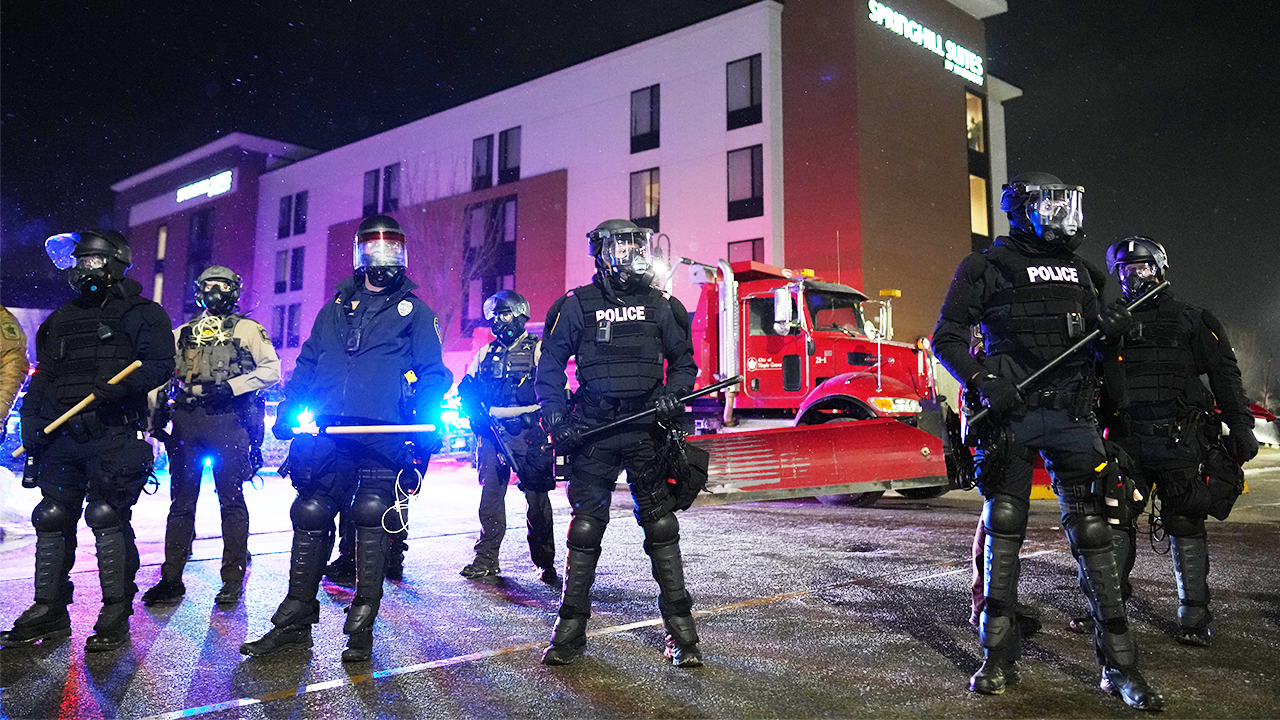
Recent tensions between anti-ICE protesters and federal authorities in Minnesota escalated Monday when police arrested several demonstrators outside a hotel in Maple Grove. The protesters had gathered at SpringHill Suites by Marriott, believing U.S. Border Patrol Commander Gregory Bovino was staying there. What began as a peaceful assembly reportedly turned chaotic when some participants began throwing objects at officers and damaging property, prompting local police to declare an unlawful assembly. “The Maple Grove Police Department respects and upholds the First Amendment rights of individuals to peacefully assemble and express their views,” a spokesperson stated, adding that their priority remained public safety. However, they emphasized that “individuals participating in criminal acts are not protected under the First Amendment and were subject to arrest.” The incident required assistance from multiple law enforcement agencies, including the Minnesota State Patrol and Hennepin County Sheriff’s Office.
This protest comes amid significant changes to immigration enforcement leadership in Minneapolis. President Trump has announced the reassignment of Bovino and many Border Patrol agents from the area as part of a leadership reshuffle in his immigration enforcement operations. Border Czar Tom Homan is now expected to lead efforts in Minnesota. The leadership changes follow growing bipartisan scrutiny over immigration enforcement tactics in Minneapolis, particularly after Border Patrol agents killed Alex Pretti, a 37-year-old American citizen who was recording their activities over the weekend. The White House has made efforts to distance the president from controversial characterizations of Pretti made by Bovino and other officials, indicating internal disagreements about how the incident should be framed and addressed publicly.
The circumstances surrounding Pretti’s death have fueled public outrage and intensified scrutiny of federal immigration operations. According to reports, Pretti, an ICU nurse, appeared to be attempting to help a woman who had been knocked down by agents when he was confronted. Agents reportedly sprayed him with an irritant, pushed him to the ground, and beat him. During the altercation, an agent was seen removing Pretti’s gun from his waistband before other agents fired several shots, killing him. Bovino had claimed without substantiation that Pretti intended to “massacre” law enforcement, a characterization that has drawn significant criticism and that the White House has been careful not to endorse. The administration has similarly distanced itself from comments by Homeland Security Secretary Kristi Noem, who labeled Pretti a “domestic terrorist,” and Homeland Security Advisor Stephen Miller, who called him a “would-be assassin.”
The controversy around Bovino’s handling of the situation has reportedly resulted in limitations to his social media access, though Homeland Security spokesperson Tricia McLaughlin clarified that he “has NOT been relieved of his duties” and remains “a key part of the President’s team.” Some reports had suggested Bovino was being removed from his role as Border Patrol “commander-at-large” and would return to his previous position as chief patrol agent in El Centro, California. This apparent contradiction in messaging suggests ongoing internal deliberations about appropriate accountability measures within the administration, as officials attempt to navigate the political fallout from these deadly encounters between immigration agents and civilians.
Pretti’s death is not an isolated incident but rather follows another recent controversial killing by federal immigration authorities. The community was already experiencing unrest over the ICE-involved killing of Renee Nicole Good in Minneapolis earlier this month. These successive deaths have created a pattern that has drawn increasing attention from both local communities and national political figures. The White House Press Secretary Karoline Leavitt has emphasized that President Trump spoke with Minnesota Governor Tim Walz, demanding that the state “work together peacefully” with ICE and “let cops be cops.” This communication suggests an attempt to establish a unified approach between federal and state authorities while acknowledging the serious tensions that have developed.
The situation in Minneapolis highlights broader national tensions around immigration enforcement tactics and accountability. As federal immigration operations intensify under the Trump administration’s directives, questions about appropriate use of force, civil liberties protections, and the relationship between federal agents and local communities have become increasingly urgent. The deaths of American citizens during these operations have particularly complicated the political narrative around immigration enforcement, bringing scrutiny from across the political spectrum. While the administration emphasizes the importance of enforcing immigration laws, the methods employed and their consequences are generating significant resistance. How officials respond to this resistance—both through policy adjustments and public messaging—will likely shape the evolving relationship between federal immigration authorities and the communities where they operate.