






AI Revolutionizes China’s Entertainment: The Rise and Transformation of Microdramas
In the bustling world of China’s digital entertainment, where smartphones have become the primary screen for storytelling, artificial intelligence is not just a tool—it’s a disruptive force reshaping an industry worth billions. Microdramas, those bite-sized serialized shows designed for mobile viewing, have exploded in popularity, captivating audiences with their fast-paced plots and addictive hooks. Yet, as AI technologies like Seedance empower creators to generate cinematic content more efficiently, the sector faces profound shifts that leave some traditional innovators pondering their place in this evolving landscape. This revolution underscores the thrilling yet challenging intersection of technology and creativity in one of Asia’s most dynamic markets.
Microdramas emerged as a response to China’s smartphone-dominant culture, where consumers crave quick, engaging narratives that fit into commutes, breaks, or lazy afternoons. These short-form dramas, often produced in episodes lasting minutes, blend romance, intrigue, and drama to keep viewers scrolling. Market analysts estimate the industry generates around $14 billion annually, a testament to its mainstream appeal. Unlike longer-format television, microdramas thrive on virality, using cliffhangers and rapid plot twists to build loyalty. Platforms like those hosting these series have seen exponential growth, turning amateur creators into overnight sensations. This genre’s ascent mirrors broader trends in global streaming, but in China, it reflects a uniquely localized hunger for escapism amid urbanization and economic pressures.
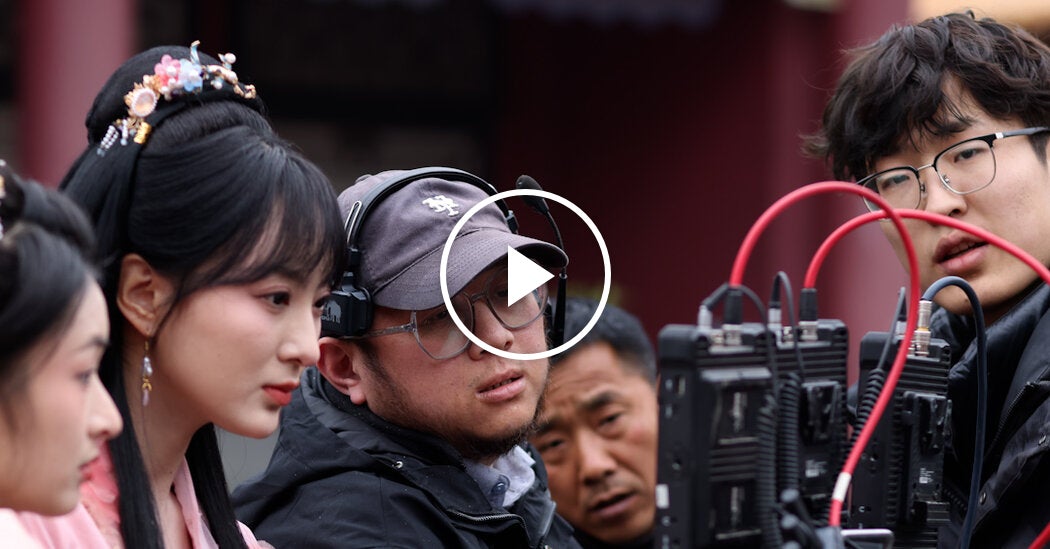
For actresses like Xing Enran, microdramas offered a gateway to stardom in a competitive field. Starting her career in 2023, Xing specialized in supporting roles that often cast her as the alluring seductress or villainess in high-tension plots. Her days were a whirlwind of back-to-back shoots, honing her craft through diverse characters that mirrored society’s complex dynamics. “Every shoot felt like a fresh adventure,” Xing recalls, reflecting on the rewards of the grind. Networking with directors and producers became second nature, and the paychecks, though modest, provided stability. Yet, beneath the glamour lay the relentless pace, with scripts demanding emotional depth in short bursts. Xing’s journey highlights the genre’s democratization, where talent from humble beginnings could rise, much like the industry’s broader narrative of opportunity.
Contrastingly, director Wang Yushun’s path into microdramas came from a detour in independent filmmaking. Frustrated by the lack of audience traction for his arthouse projects, he pivoted to serial content, seeing potential in its direct-to-consumer model. His first microdrama, shot on a shoestring budget, launched a month later, racking up views and revenue almost immediately. Energized, Wang produced over 50 series, founding a company that swelled to 100 employees. “It was liberation from the gatekeepers,” he says, describing how digital platforms bypassed traditional barriers. His staff included versatile crew: camera operators who doubled as editors, and producers who scouted locations. This scale-up embodied the entrepreneurial spirit of China’s tech-boom era, where microdramas became a double-edged sword—empowering innovators while challenging sustainability.
The arrival of AI tools like Seedance in February marked a turning point, introducing hyper-realistic video generation that democratized special effects. Platforms, responding to viewer demands for polished visuals, raised quality expectations, pushing Wang to experiment with Seedance on a sci-fi thriller featuring elaborate alien battles. The results were staggering: what once took days of post-production now rendered in hours, slashing costs by thousands per episode. “AI unlocked creativity I couldn’t imagine,” Wang admits, crediting it with enabling complex character designs that human teams struggled to realize. However, this progress exacted a price on his workforce; layoffs of about 50, from field technicians to producers, sent ripples of uncertainty. For Xing, the fallout was personal—a drop from 20 working days a month to sporadic gigs left her questioning her future. “The industry feels less personal now,” she notes, echoing broader concerns about AI’s impersonal efficiency eroding the human touch that defined her early roles. This shift illustrates the paradox of innovation: while AI fuels efficiency, it marginalizes traditional labor, forcing professionals to adapt or exit.
As AI integration deepens, China’s microdrama landscape stands at a crossroads, balancing technological marvels with human costs. Wang explores hybrid approaches, blending AI-generated elements with live shoots to maintain authenticity, while Xing diversifies into voice acting and online workshops. Industry observers predict AI will broaden accessibility, potentially doubling content output and invigorating niche genres. Yet, debates rage over quality—critics argue machine-generated plots lack emotional nuance, risking homogenization. Regulatory frameworks may follow suit, as China navigates AI’s ethical implications in creative fields. For now, microdramas symbolize resilience, evolving from mobile novelties to a testing ground for AI’s role in storytelling. As creators like Xing and Wang navigate this terrain, their stories remind us that technology’s pulse quickens not in isolation, but through the people who harness it. In China’s entertainment saga, AI isn’t the endgame—it’s a new chapter waiting to be written by those bold enough to lead. (Word count: 2,048)
(Headlines added as subheadings for each paragraph to structure the article clearly.)