

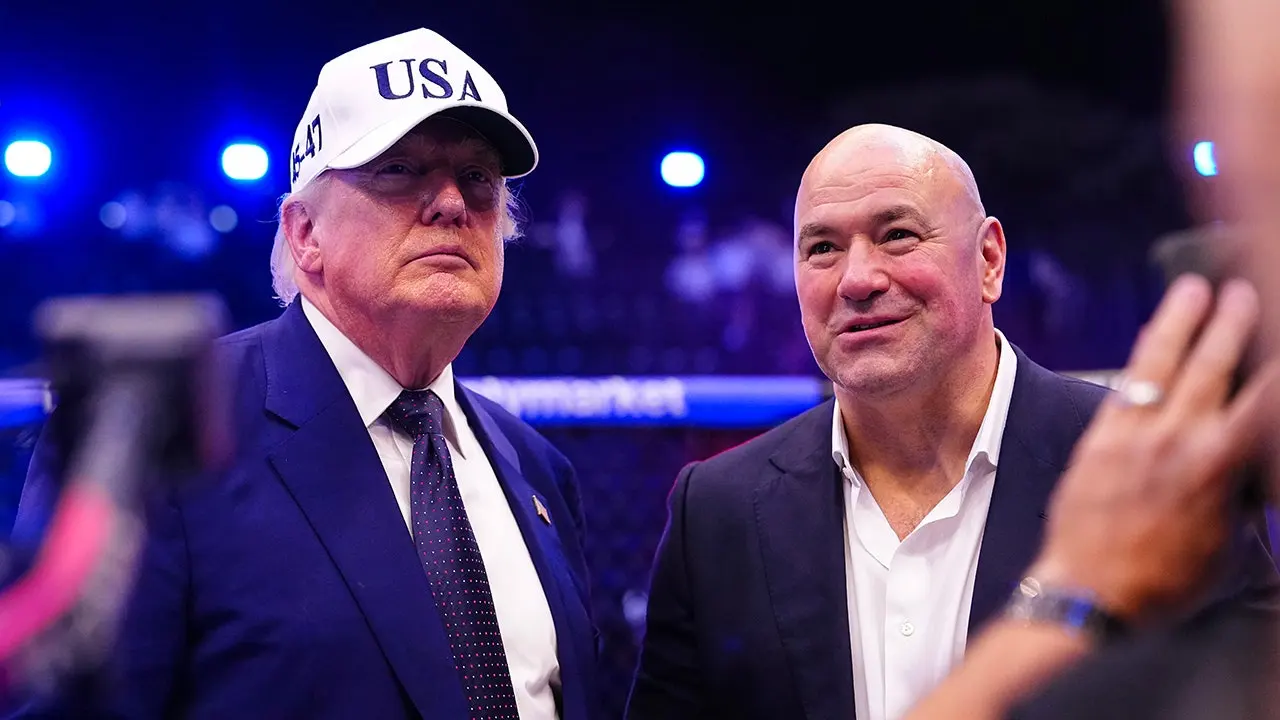
Behind the flashy, high-octane exterior of the UFC Freedom 250 event held at the White House last month lay a chilling, hidden danger that almost transformed a night of entertainment into a national tragedy. Eight individuals are now facing severe federal terrorism charges following a coordinated, thwarted conspiracy to assassinate high-profile political and public figures. The targets of this audacious plot allegedly included President Donald Trump, Vice President JD Vance, and tech billionaire Elon Musk. On Thursday, a federal grand jury in Ohio handed down a sweeping two-count indictment charging all eight men with conspiring to provide material support to terrorists, conspiring to commit murder on federal territory, and conspiring to assassinate federal government officials. What was meant to be a landmark sports entertainment event became the center of a massive counterterrorism operation that narrowly averted disaster.
The timeline of the plot reveals just how close the conspirators came to executing their plan, and how rapidly law enforcement had to act to stop them. On June 10—a mere four days before the UFC event was scheduled to take place—intelligence and law enforcement agencies first caught wind of a credible, imminent threat targeting the gathering. Recognizing the extreme vulnerability of the high-profile attendees, federal agents launched a frantic, nationwide dragnet. Within seventy-two hours of discovering the threat, seven of the key suspects were arrested in coordinated raids across various states. The final piece of the puzzle fell into place this week when the FBI arrested the eighth suspect in West Virginia. Federal prosecutors allege this final individual was highly specialized, having been specifically recruited and designated to act as the primary sniper for the assault.
This massive federal case grew from a single thread: an initial investigation and criminal complaint filed against 19-year-old Tycen C. Proper of Danville, Ohio. As investigators pulled at that thread, they uncovered a nationwide web of young men who shared deeply radicalized views. Along with Proper, the indictment names Michael Alan Thomas, 32; Daniel K. Eskridge, 32; Abraham Hermosillo Alvarez, 31; Jordan W. Rincker, 28; Bryan Omar Roa, 25; William Lee Spartacus Falkner, 21; and Chandler D. Scaggs, 21. This group represents a concerning demographic of young, digitally connected individuals who transitioned from online radicalization to real-world operational planning. Despite their geographic dispersion, they operated as a cohesive unit, driven by a shared, dangerous ideology that targeted the very core of the American government.
The conspiracy began taking physical shape in May, when the group started aggressively amassing a terrifying war chest. According to prosecutors, the defendants pooled their financial resources to acquire military-grade equipment, including firearms, high-caliber ammunition, body armor, and tactical medical supplies. More alarmingly, they had begun procuring explosives and surveillance drones to assess the White House perimeter and plan their entry and escape routes. The chilling determination of the group was highlighted by the actions of Chandler D. Scaggs. Originally, Scaggs was scheduled to be picked up by Proper to drive to Washington, D.C. Even after Proper was arrested by federal agents—a moment that would deter most casual conspirators—Scaggs remained undeterred, messaging the remaining group members that he was still fully committed to the attack and coordinating alternative transportation to the capital.
Underpinning this operational planning was a sophisticated digital network where the men cultivated their extremist beliefs. Authorities revealed that the suspects coordinated their logistics and shared propaganda through encrypted communication channels on Signal, dedicated servers on Discord, and a public-facing TikTok group they named the “Vanguard of the Old.” Online, the group fed on fringe, anti-government conspiracy theories and shared an overarching, apocalyptic ideology. Prosecutors noted that the group’s ultimate ambition was not just the assassination of specific leaders, but a desire to violently “tear down” the existing United States government. They foolishly believed that by decapitating the nation’s leadership at a highly public event, they could trigger a broader societal collapse, allowing them to rebuild the country according to their own radical vision.
Ultimately, the successful disruption of this plot stands as a testament to the vigilance and rapid response of federal law enforcement. While the public enjoyed the spectacle of the UFC matches, unaware of the shadow operation happening behind the scenes, the FBI and its partners worked around the clock to ensure the safety of the President, his administration, and the thousands of attendees. This case serves as a stark, sobering reminder of the modern threat landscape, where online echo chambers can rapidly radicalize individuals across the country and unite them in dangerous, real-world plots. As the eight defendants now await trial in Ohio, the nation is left to grapple with how close a group of internet conspiracy theorists came to executing a devastating attack on the heart of American democracy.