


On what began as a routine Monday morning in the sun-bleached expanse of the Mojave Desert, the quiet efficiency of Edwards Air Force Base was shattered by an unspeakable tragedy. A B-52 Stratofortress, a giant of American aviation history, roared down the runway only to erupt into a catastrophic fireball immediately upon takeoff, claiming the lives of all eight crew members on board. Colonel James Hayes, the deputy commander at the 412th Test Wing, stood before reporters later that afternoon with a heavy heart, describing the incident as a horrible tragedy that took the lives of “eight great Americans.” This was not just a military crew; it was a tight-knit team composed of dedicated service members and skilled civilian contractors who shared a common passion for aviation and a deep commitment to national defense. As official notifications began the painful process of reaching grieving families, the base fell into a somber silence. Behind the cold statistics of the crash lies a profound human grief, reminding a national audience that the men and women who test the limits of aerospace technology put their lives on the line daily, long before any conflict is ever declared. The loss of these eight individuals leaves irreplaceable voids in local living rooms, workspaces, and hangar bays, echoing the enduring sacrifices made by those who operate on the dangerous cutting edge of military innovation.
The visual evidence of the disaster painted a grim, haunting picture across the stark desert terrain, where the physical scale of the wreckage emphasized the sheer violence of the impact. Black soot and thick layers of ash spread in an enormous smear across the dusty airfield, leaving a heartbreaking scar on the pristine landscape where so many historic flights had safely landed. Aerial and local news footage captured the scene, where giant emergency vehicles and heavily geared firefighters looked like miniature toy figures, completely engulfed by the sheer magnitude of the destruction as they continuously sprayed water onto the smoking remains. The crash, which occurred at approximately 11:20 a.m., triggered a massive secondary explosion and an intense, ravenous fire that sent a dark, suffocating smoke plume billowing high into the clear blue desert sky. This ominous black column was visible for miles across the scrubby desert, drawing the anxious eyes of local residents and startled onlookers throughout the Antelope Valley. For those watching from afar, the plume was an immediate, terrifying symbol that something had gone terribly wrong on the base, turning a typical high-desert morning into a scene of collective anxiety and profound sorrow as the community waited for news of survivors.
At the heart of this fateful mission was the iconic B-52 Stratofortress, a legendary high-altitude strategic bomber that has served as a cornerstone of American military power for generations. Designed for extreme endurance, these massive aircraft are capable of carrying devastating payloads, including nuclear weapons, and are routinely deployed to monitor hundreds of thousands of square miles of ocean surface within mere hours. Yet, the mission on this particular Monday was not a combat deployment, but rather a vital step toward modernization, aiming to bring this Cold War-era marvel into the digital age through a highly sophisticated radar technological upgrade. Unlike other B-52 operations, such as the routine training exercises with 500-pound munitions conducted at Fort Hood in Texas to maintain readiness, this California program was focused on testing and updating the aircraft’s internal electronic nervous system. The crew members who boarded the aircraft that morning were tasked with collecting the crucial, real-world data needed to ensure the aircraft remains viable and safe for future generations of aviators. This tragic event highlights the delicate, often precarious relationship between human operators and the complex machines they fly, emphasizing that even the most routine-sounding test flights carry an inherent, life-threatening risk.
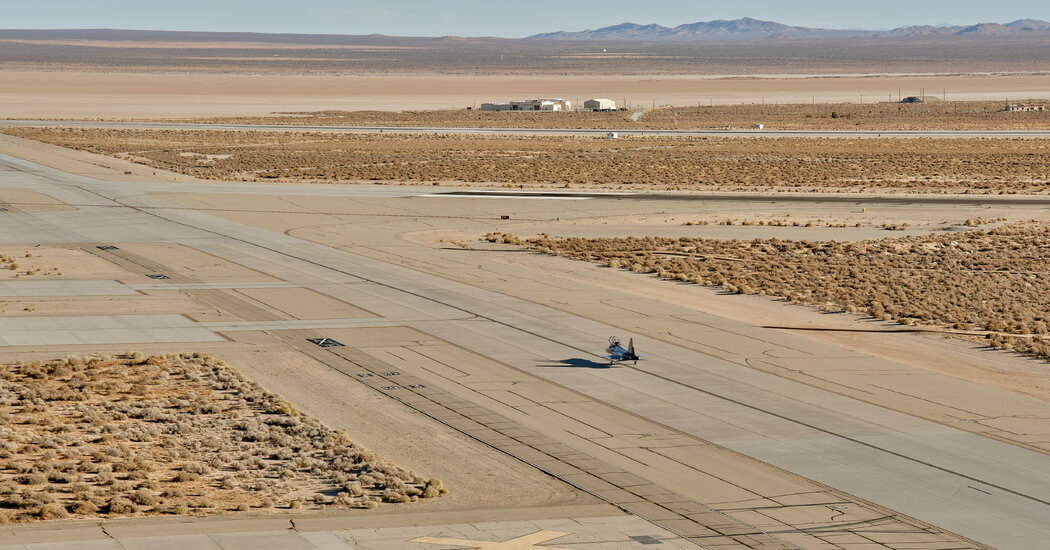
Edwards Air Force Base, spanning a monumental 484 square miles of the Southern California desert about 100 miles northeast of Los Angeles, occupies a mythical status in the world of aviation, serving as the premier testing ground where the future of flight has been forged for decades. It is a place defined by its vast, open geography, dry lakebeds, and its close proximity to the aerospace manufacturing hubs of Southern California, making it the ideal laboratory for high-risk aerial experiments. This immense airfield is historically significant as the sacred ground where legendary pilot Chuck Yeager first shattered the sound barrier in 1947, ushering humanity into the supersonic era. Yet, the historic soil of Edwards has always been paid for in blood; its long history of triumphs is inextricably linked to a legacy of heavy sacrifice, where brave pilots and engineers have regularly laid down their lives to push the boundaries of technology. In the wake of Monday’s crash, military officials announced a temporary halt to all air operations at the base as the extensive, multi-layered investigation began. This sudden silence over the usually bustling runways felt like a collective moment of mourning for the entire base, a solemn pause to respect the fallen before the inevitable return to the relentless pursuit of aerospace progress.
The shockwaves of the tragedy quickly rippled outward from the base boundaries into the neighboring city of Lancaster and the wider Antelope Valley, communities that have long shared a deep, symbiotic relationship with the military installation. Mayor R. Rex Parris immediately reached out to base authorities to offer Lancaster’s full support and emergency resources, though the self-sufficient base respectfully declined the assistance. Reflecting on his own childhood spent growing up near the base in the nearby community of Palmdale, Mayor Parris recalled an era decades ago when experimental military crashes were a frequent, almost routine hazard of desert life, a time when the sonic booms of breaking barriers were accompanied by the regular dread of tragic accidents. However, he emphasized how dramatically things have changed over the last thirty years, pointing out that modern safety protocols, rigorous training, and advanced engineering have made such catastrophic failures exceedingly rare in the contemporary era. This historical perspective only served to deepen the local community’s sense of shock and grief, as the rarity of such modern accidents made the sudden loss of eight precious lives feel all the more devastating to a region that prides itself on supporting the brave men and women of the skies.
As the smoke cleared and the initial shock began to subside, the grueling, meticulous process of uncovering why this routine flight turned fatal began under the leadership of Colonel James Hayes. Initial fact-finding teams have already started excavating the scorched debris, marking the beginning of what official spokespersons warn will be a painstaking, monthslong investigation to determine the exact mechanical or human failures that caused the takeoff explosion. Though answers will not come quickly, the focus remains firmly on honoring the memory of the military members and civilian contractors who stepped onto that aircraft in service of a larger mission. Their tragic end reminds a quiet nation of the invisible, daily risks borne by those in the military and defense industries who work out of the public spotlight to guarantee national security. As the flags at Edwards Air Force Base are lowered to half-staff and the long investigation unfolds, the legacy of these eight individuals will be forever woven into the tragic but heroic tapestry of American aerospace history, immortalized alongside the legendary pioneers who came before them.