




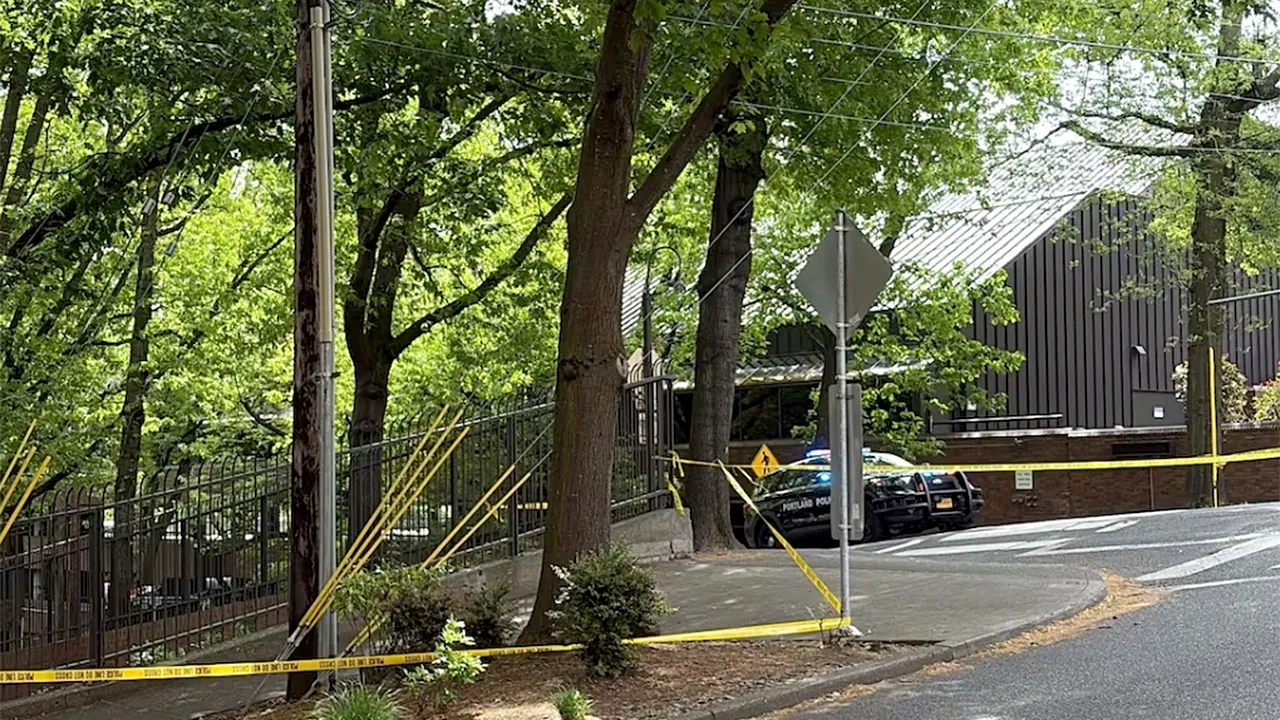
In the dead of night, under a sky heavy with the chill of Oregon’s spring, a harrowing scene unfolded in the heart of Portland, where the Multnomah Athletic Club—once a bastion of elite camaraderie and leisure—became the stage for tragedy. Just before 2:50 a.m. on a quiet Saturday, a vehicle smashed through the club’s front entrance, erupting into flames that lit up the darkness like a foreboding beacon. Eyewitnesses and first responders from Portland Fire and Rescue rushed to the chaotic aftermath, battling the fire that engulfed the car and shattered the club’s serene facade. For members who called this place home—a haven for power breakfasts, competitive swims, and late-night laughs—the sight was unimaginable, a stark contrast to the polished elegance they cherished. As smoke curled into the air and sirens wailed, the community grappled with the sudden intrusion of danger into their sanctuary, leaving them reeling and eager for answers in the cold light of dawn.
As the flames subsided, a grim discovery emerged: a single person lay lifeless inside the vehicle, a victim of the catastrophic crash whose identity and story remain shrouded in mystery. Authorities, piecing together the fragments of the night, confirmed the death, stirring a wave of sorrow amid the uncertainty. Portland Police Bureau officials, their voices measured yet urgent, revealed that the vehicle’s wreckage harbored more than just twisted metal—possible explosives triggered alarm, escalating the situation from a mere accident to a potential act of deliberate menace. This revelation, whispered through the ranks of investigators, heightened tensions, turning what could have been a frantic rescue into a complex probe that drew eyes from across the city. For locals, the image of that solitary figure, lost in the inferno, humanized the event, prompting reflections on life’s fragility and the unseen hand that might have steered this path of destruction.
Enter the city’s response teams, a blend of local grit and federal authority, converging on the scene with professional resolve. The Portland Police Bureau’s Explosive Disposal Unit sprang into action, meticulously assessing the remnants and securing the area to ensure no lingering threats lurked in the shadows. Their counterparts from the FBI joined the fray, forming a joint investigation that promised thoroughness but offered little transparency in those early hours. A spokesperson for the FBI Portland office assured the public that, despite the explosives scare, there was no immediate danger to the wider community—a small comfort amid the swirling speculations. Yet, beneath the calm assurances, one could sense the weight of unanswered questions, from the motive behind the crash to the echoes of past incidents that mirrored this chaos, reminding everyone that Portland’s underbelly sometimes bubbles up in the most unexpected ways.
The Multnomah Athletic Club, reeling from the physical and emotional toll, closed its doors indefinitely, a decision articulated in a heartfelt Facebook post that captured the leadership’s mix of pragmatism and loyalty to their members. “We’re cast into this storm,” the post seemed to convey, prioritizing safety over schedules and pledging to rebuild only when every corner felt secure. Reminiscent of the April 8 crash just weeks prior, where another vehicle plowed in and injured a security guard, this new event left leaders wary of connections—were these isolated outbursts or part of a darker pattern? For the club’s tight-knit community, from seasoned athletes to social butterflies, the closure felt like a personal loss, a rupture in the fabric of their routines that fostered bonds stronger than any membership fee could buy.
As daylight broke and investigators pored over evidence, the city’s pulse quickened with anticipation for the scheduled joint news conference at 3 p.m., a forum where officials vowed to shed more light on the unfolding drama. Reporters from outlets like Fox News Digital pressed for details, hungry for narratives that could make sense of the senseless, but responses remained cautious, echoing the sentiment that it’s premature to judge intent. In a place like Portland, where civic discourse often ignites passions, the incident stirred conversations about security, resilience, and the thin line between peace and peril. Ordinary residents, sharing stories over coffee, humanized the event through empathy—imagining the victim’s final moments or the guard’s brush with harm—transforming a headline into a communal tale of caution and care.
Ultimately, as the investigation deepens, the echoes of that fiery night serve as a poignant reminder of Portland’s dual identity: a city of progressive spirit and hidden shadows. The victim’s death, the explosive possibilities, and the club’s untimely shutdown weave a tapestry of vulnerability that resonates beyond headlines, inviting reflection on what it means to live in a world where the unexpected can crash through defenses. For those affected, from grieving families to wary patrons, the path forward involves healing and vigilance, with the hope that answers will bring closure. As stakeholders wait, the story evolves, not just as news, but as a testament to human tenacity in the face of adversity. And in this chapter, Portland emerges stronger, its community knit tighter by shared uncertainty and unwavering resolve.