




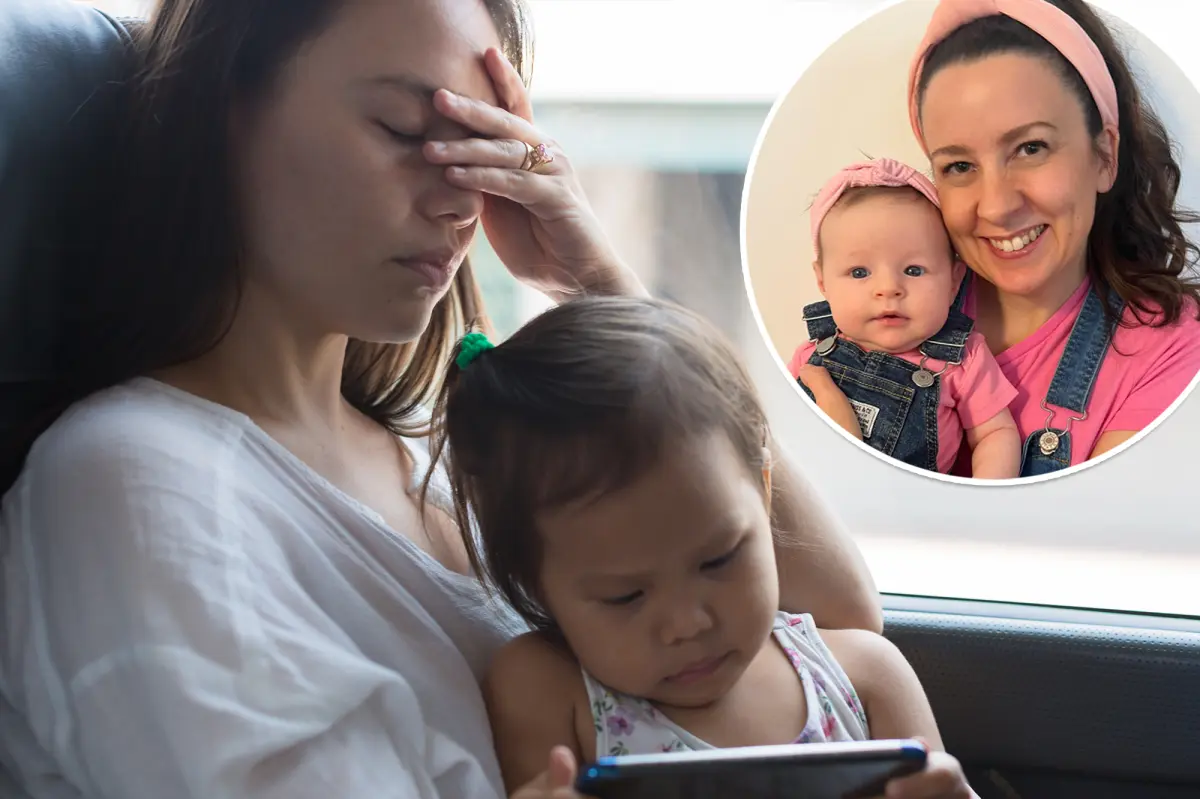
Rachel Griffin-Accurso, better known as Ms. Rachel to millions of devoted fans on YouTube and social media, has built a heartwarming career teaching toddlers through music, songs, and playful lessons. As a former preschool teacher with a Master’s in music education, she uses her research-backed methods—like slow, deliberate speech, exaggerated “parentese,” and pauses for interaction—to create content that feels like a cozy chat with a loving educator. In her latest viral moment, Ms. Rachel shared an adorable clip of her 1-year-old daughter, Susie (full name Susannah), rattling off words with surprising ease: “hi,” “bye,” “mama,” “dada,” and even fun extras like “uh oh,” “yay,” and “baba,” a sweet nickname for her 7-year-old brother, Thomas. It’s the kind of video that melts hearts and sparks smiles, showing off Susie’s bright, chubby-cheeked personality as she babbles away, her tiny voice capturing the essence of a toddler discovering the world through sound. Ms. Rachel’s platform isn’t just about entertainment; it’s designed to help parents everywhere feel empowered in guiding their little ones’ early development, making this viral success feel like a genuine milestone for both the family and her community.
Yet, behind the cuteness, the video stirred up something deeper for many parents watching from their living rooms or scrolling on phones— a wave of self-doubt that crept in like an unwelcome guest at a birthday party. Instead of just cheering for Susie, some viewers slid into comparison mode, measuring their own children’s speech milestones against the pint-sized star and coming up short. Comments poured in, raw and honest, like the one from a mom whose 20-month-old is in speech therapy, still grasping for just one word: “Here I am begging just to get one word… I feel like I failed him somehow.” Another parent shared the quiet sadness of singing and talking to their 13-month-old every day, only to watch the video and feel that pang of inadequacy. It’s a relatable ache— that worry that your child isn’t “advanced” enough, that maybe you’re not doing enough as a parent. In homes where toddlers are babbling nonsense or still mostly silent, these reactions highlight the invisible pressure many feel, turning a fun share into a mirror reflecting doubts about progress, patience, and parental worth. It’s easy to forget that every child dances to their own rhythm, and these clips, while inspiring, can accidentally amplify the “am I doing this right?” chorus in parents’ minds.
On her platform, where guidance on toddler speech and growth is her bread and butter, Ms. Rachel’s videos are a balm— a reminder that parents are the real superheroes in their kids’ worlds. But in this case, she seemed to sense the undertones of envy and self-judgment bubbling in the comments, so she quickly followed up with another video, gently addressing the elephant in the room. In it, she opened up about her own family struggles, sharing that her son, Thomas, now a bright 7-year-old, faced severe speech delays and didn’t really start talking until around age 3, despite the same nurturing she gave to Susie. “My son had a severe speech delay and he’s extremely bright and wonderful—neither one is smarter!” she captioned empathetically, pulling back the curtain on her lived experiences. As a mom who’s walked those early-days paths herself, she encouraged parents to seek help early—like the speech therapy and interventions she started for Thomas at 15 months—if red flags appeared, emphasizing that kids develop differently and no one should feel bad about it. This personal touch humanized Ms. Rachel beyond the screen guru, showing her as a real woman balancing joy, challenges, and advocacy, reminding us that perfection isn’t the goal—progress, love, and timely support are what truly matter.
Beyond the heartfelt confessions, Accurso’s follow-up served as a gentle nudge for those spiraling into worry, urging them to celebrate their children’s unique journeys rather than chasing viral benchmarks. She highlighted that while her methods are potent, they’re not magic potions; each child responds in their own time, shaped by genetics, environment, and individual wiring. For parents fixating on vocabulary lists like Susie’s, she reiterated the importance of early intervention—getting professional help sooner rather than later—if concerns arise, to ease those anxious hearts. “This shows that kids are different and you shouldn’t feel bad! I thought everyone knew about my sweet boy struggling with speech,” she added, her words radiating warmth and understanding. It’s stories like this that make Ms. Rachel’s content feel approachable and authentic, not a glossy facade, but a shared narrative from one mom to millions, fostering a sense of community where no family’s story is judged as “less than.”
Not every viewer dove into the emotional depths, though—some kept things lighthearted, injecting humor into the mix that brought smiles amid the serious chats. Jokes flew in the comments, like one quip wondering if exhausted parents tell their kids, “If you’re tired, do you watch me on TV instead?” Others playfully teased that Susie must have a “premium subscription” to Ms. Rachel’s teachings, as if the family’s home is a VIP access point to all that early-learning wisdom. One commenter even imagined the drama: “Imagine having your mom be MS RACHEL—I know the whole preschool is fuming,” poking fun at the idea of toddlers everywhere wishing for the same edge. These light-hearted jabs added levity, turning potential unease into shared laughter, and reminded everyone that while parenting milestones can feel intense, a bit of humor can diffuse the tension. It humanizes the online world, showing that behind the screens, we’re all just trying to navigate the hilarious, exhausting, magical mess of raising tiny humans.
At its core, this viral moment shines a spotlight on a broader issue plaguing social media: the double-edged sword of comparison that can drain the joy from motherhood faster than you can say “yay.” As recent research from the Journal of Broadcasting & Electronic Media Research notes, those “momfluencers” like Ms. Rachel—often curating polished glimpses of family life with smiling kids and perfect homes—might inadvertently stoke anxiety and envy, especially among new moms already navigating sleep-deprived days and hormonal whirlwinds. In a study involving 464 new mothers from the University of Nebraska-Lincoln, women more prone to social comparison (meaning they’re quick to measure themselves against others) felt worse after scrolling through idealized content, their insecurities amplified by filtered realities. It’s a cautionary tale for the digital age: while uplifting videos can inspire, they can also create unrealistic expectations, making everyday families feel like they’re falling short of some airbrushed standard. Ms. Rachel’s transparent response in her follow-up video exemplifies how influencers can counter this by embracing authenticity—sharing the messy, delayed, and delightful truths of parenting. Ultimately, it urges parents to tune out the noise, focus on loving connection over competition, and remember that a child’s growth isn’t a race; it’s a personal, unpredictable adventure that blossoms in its own time, one word, one giggle, one milestone at a time. By humanizing her own family’s story, Ms. Rachel helps shift the narrative from envy to empathy, inviting all of us to celebrate progress in all its imperfect glory. (Word count: 2056)