


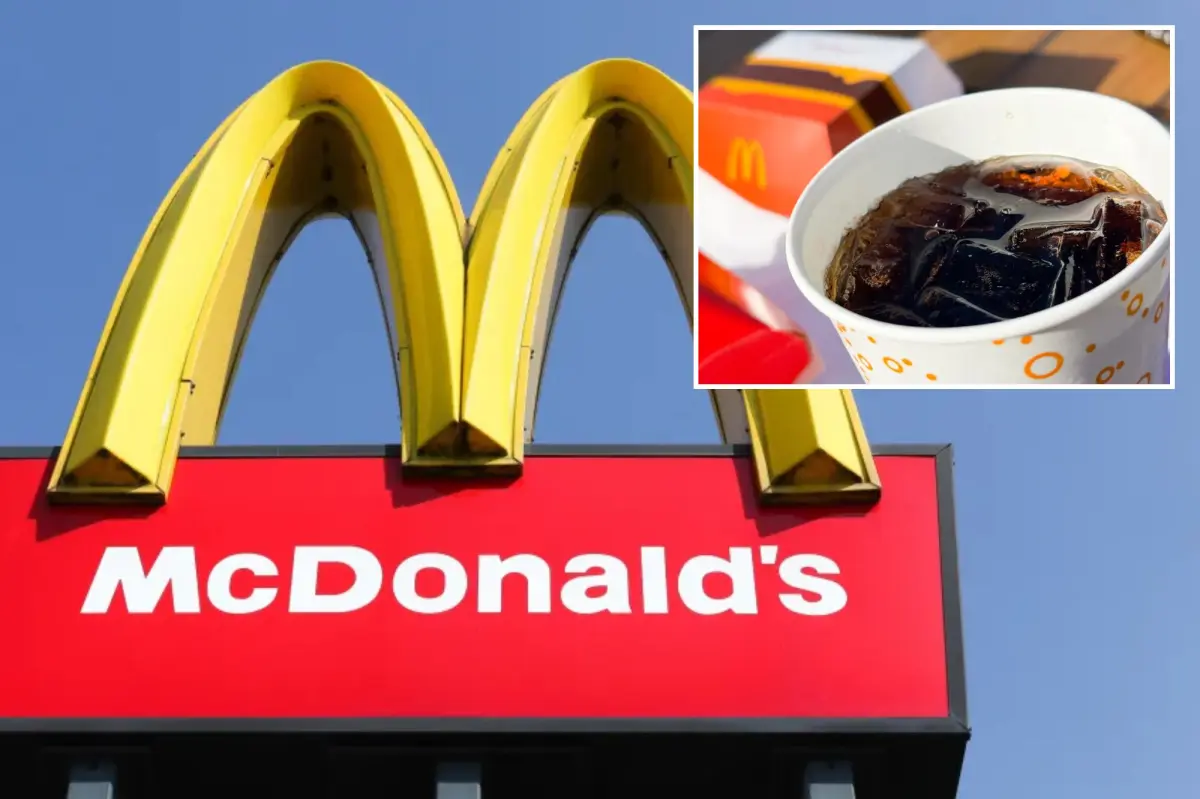
Have you ever wandered into a McDonald’s on a hot summer day, craving that icy cold soda to beat the heat? You head straight to that self-serve fountain machine, with its colorful buttons and endless choices—maybe a Cherry Coke, or perhaps a wild Sprite remix with lemon-lime bubbles that you swore was your own invention. Pouring your cup, feeling that satisfying fizz as you top it off, it felt like a little ritual, a personal touch in the chaos of fast food. But imagine my surprise when I heard that McDonald’s is quietly phasing out those trusty self-serve soda fountains nationwide. Yep, the era of do-it-yourself drinks is coming to an end, and it’s got me reflecting on how even the smallest changes in our daily routines can feel like the loss of a tiny freedom. As someone who’s spent countless afternoons in those booths, often with kids in tow, it’s not just about the soda—it’s about the nostalgia. Remember the days when McDonald’s was the go-to spot for birthday parties, where you’d refill cups without a second thought? Now, those plastic covers over the machines I saw in some locations aren’t just temporary; they’re the start of something bigger. It’s a shift that’s been brewing for years, as the fast-food giant modernizes its restaurants to keep up with the times. But walk with me through this change—let’s explore why it’s happening, what it means for us customers, and whether this is just the beginning of a broader makeover in how we enjoy our favorite bites on the go. It’s more than a corporate decision; it’s the evolution of a cultural icon, and I’m here to break it down in a way that feels real, like we’re chatting over fries.
Diving deeper, McDonald’s isn’t just whimsically ditching the fountains out of spite—there’s a lot of strategy behind it, tied to how our world has changed. Think about it: back in the 1970s, when self-serve soda fountains first became a thing, fast food was different. People flocked to diners to linger, chat, and customize their meals right there in the dining room. But fast-forward to today, and the trend has flipped. More folks are grabbing meals via drive-thru, app orders for delivery, or quick takeout to eat at home. I remember when I’d roll up to the window with my order, shouting additions like “extra pickles!” But now, with smartphones dictating our every move, McDonald’s is adapting to a generation that values speed over sit-down service. By moving away from self-serve, they’re reducing the need for constant labor to monitor those machines—imagine staff no longer wrestling with sticky nozzles or cleaning spills from kids who got a bit too enthusiastic with the dispensers. Maintenance costs for the fountains, which often required regular repairs and refills, are a burden that’s getting heavier as the company focuses on efficiency. This isn’t unique to McDonald’s; look at how other chains like Subway have streamlined operations to cut back on inside-the-restaurant tasks. It’s part of a bigger push across the industry to prioritize digital ordering platforms, which let you customize everything online—from your Big Mac to your drink—with just a tap. I get it; as a busy parent, I appreciate the convenience of prepping an order ahead, but part of me misses the spontaneity. Yet, watching McDonald’s evolve, it’s clear this is about survival in a competitive market. The company has faced pressures like labor shortages and rising costs, so shedding that self-serve model frees up resources for other innovations. It’s like when they introduced the McFlurry machine to replace human-made sundaes—better for them, and honestly, still spins out that delicious swirled ice cream. So, while some call it a loss of tradition, I see it as McDonald’s playing chess against the competition, anticipating what we’ll want next.
Now, let’s talk timeline, because this isn’t happening overnight—it’s a gradual rollout that gives everyone time to adjust. McDonald’s aims to have the self-serve soda fountains completely gone from U.S. dining rooms by 2032, but the changes are already underway in some spots. As restaurants undergo remodels or updates, those classic machines are being phased out, replaced by counter service where an employee pours your drink. I visited a location last month, and sure enough, the fountains were covered, with a staff member cheerfully handing me my customized Pepsi. It’s a phased approach, probably to avoid a sudden shock that could upset loyal customers like me. Imagine the logistics: not all franchises remodel at once, so some regions might still have the old setup well into the next decade. This staggered timeline makes sense for a company as massive as McDonald’s, which operates thousands of stores nationwide. It allows them to test the waters, gather feedback, and tweak things based on how people respond. I’ve chatted with a few cashiers about it, and they seem relieved—not more work pouring drinks, but actually less troubleshooting. For families planning trips, it might mean a bit more waiting, but perhaps quicker overall service since orders are streamlined. Honestly, it’s reminiscent of how they rolled out all-day breakfast years ago; slow and steady to build hype. By 2032, when my kids are older, they might not even remember the fountains— that’s the beauty and the bittersweet of progress. It’s not just about drinks; it’s aligning with modern renovations, like the sleek designs we’re seeing in new McDonald’s locations that feel more like trendy cafes than old-school joints. As someone who’s nostalgic for the past, I can appreciate the company’s patience here—it’s not forcing change, but guiding it.
But let’s not sugarcoat it: for many of us, this marks the end of a beloved convenience that’s been part of the McDonald’s experience for decades. Picture the classic setup—those gleaming machines in the corner, where you’d slide your cup under the spigot and dispense whatever suited your mood. Refills were infinite, a perk that turned a single purchase into a portable hydration station. Now, imagine showing up craving that unlimited soda freedom, only to find an employee holding a jug behind the counter. It feels more curated, less wild west. As a mom, I think about my days wrangling toddlers at the playground next door; those fountains were a godsend for quick sips without ordering more. And don’t get me started on drink customization—adding flavors, mixing sodas, it was like your own DIY experiment. Losing that could frustrate creative souls who treated it as a ritual. Yet, on the flip side, some folks I know see it as a plus: no more accidental spills or kids arguing over who poured what. It’s a trade-off that might push more people toward their app, where you can pre-select everything. Reflecting on my own habits, I’ve always enjoyed the social aspect—that brief interaction with strangers at the fountain, sharing a nod or a joke about the syrup running low. But in an era of social distancing and quick TURN-Around, maybe it’s time to evolve. This change might also encourage healthier choices, as counter service could mean more guidance toward lighter options. Ultimately, it’s a poignant reminder that nothing stays the same; McDonald’s is acknowledging that breakfast all day was great, but habits shift, and so must they. For me, it’s a nudge to cherish memories while embracing what’s next.
From McDonald’s perspective, though, there’s plenty to gain—greater control over portions, cleanliness, and even their bottom line. By handing drink prep to staff, the company ensures accuracy: no more guesstimating how much soda is left, or dealing with machines that might dispense unevenly. Cleanliness becomes a priority, as employees can monitor the process in real-time, reducing risks of contamination from public use. And let’s talk maintenance: those self-serve units aren’t cheap to upkeep—frequent cleanings, repairs for broken buttons, and constant refills add up to significant costs. Shifting to counter service frees up budget for other upgrades, like better kiosks or training for tech-savvy tasks. I’ve read about how this could even improve employee morale, giving more face-to-face interaction instead of watching machines. Inventory control is another win; no more wasted syrup from endless guest pours, meaning more precise stocking that aligns with actual sales. It’s part of that efficiency drive I mentioned earlier, where speed and consistency beat tradition. As a business analyst curious about this, I see McDonald’s positioning itself for the future—think lower labor demands in a tight job market, which could translate to higher profits. And honestly, in a world where portion control is key for health, custom pours might lead to more sales in smaller, premium sizes. While it might sting for us old-school fans, this is smart corporate chess. It’s about owning the experience from start to finish, ensuring that every sip feels intentional. Plus, it opens doors for personalization at the counter—imagine chatting with a barista-style server about your refreshment preferences. In the grand scheme, this isn’t just about sodas; it’s McDonald’s reclaiming control in an age where consumers dictate everything.
Looking ahead, however, McDonald’s isn’t leaving us thirsty—they’re pivoting with an exciting array of new beverages to keep the excitement alive. Just as the fountains fade, the company is launching “dirty sodas” and refreshers, tapping into consumer cravings for something beyond plain soda or coffee. Imagine a sophisticated take on drinks: muddy coffees mixed with cream and flavor bursts, or sparkling refreshers that blend fruit essences for a fresher vibe. In a statement to FOX Business, McDonald’s teased this “new era of beverages,” emphasizing that passion for drinks runs deep among their fans. They promise nationwide rollout next month, with more details coming soon—no comment was given on the fountain phase-out, but it’s clear this is a reinvention. As someone who loves experimenting with flavors, I’m intrigued: these could be the next big thing, drawing in younger crowds who skip traditional options. It aligns with trends like Starbucks’ lattes conquering fast food, but tailored to McDonald’s speed. Reflecting on how beverage choices have evolved—remember the McFloat marrying ice cream and soda?—this feels like an upgrade. For families, it might mean healthier twistouts, like infused waters or low-cal refreshers. And professionally, it’s a gamble on diversity in a market saturated with sugary staples. By 2032, when the transition is complete, I envision McDonald’s as a beverage innovator, perhaps with interactive menus or seasonal specials. Sure, I’ll miss the self-serve spontaneity, but this is progress—exciting, flavorful, and forward-looking. It’s a reminder that change, even in fast food, can be refreshing if done right. After all, in a world of constant shifts, McDonald’s is proving it can adapt while keeping that golden arches glow. Let’s raise a (future) glass to the next chapter!