






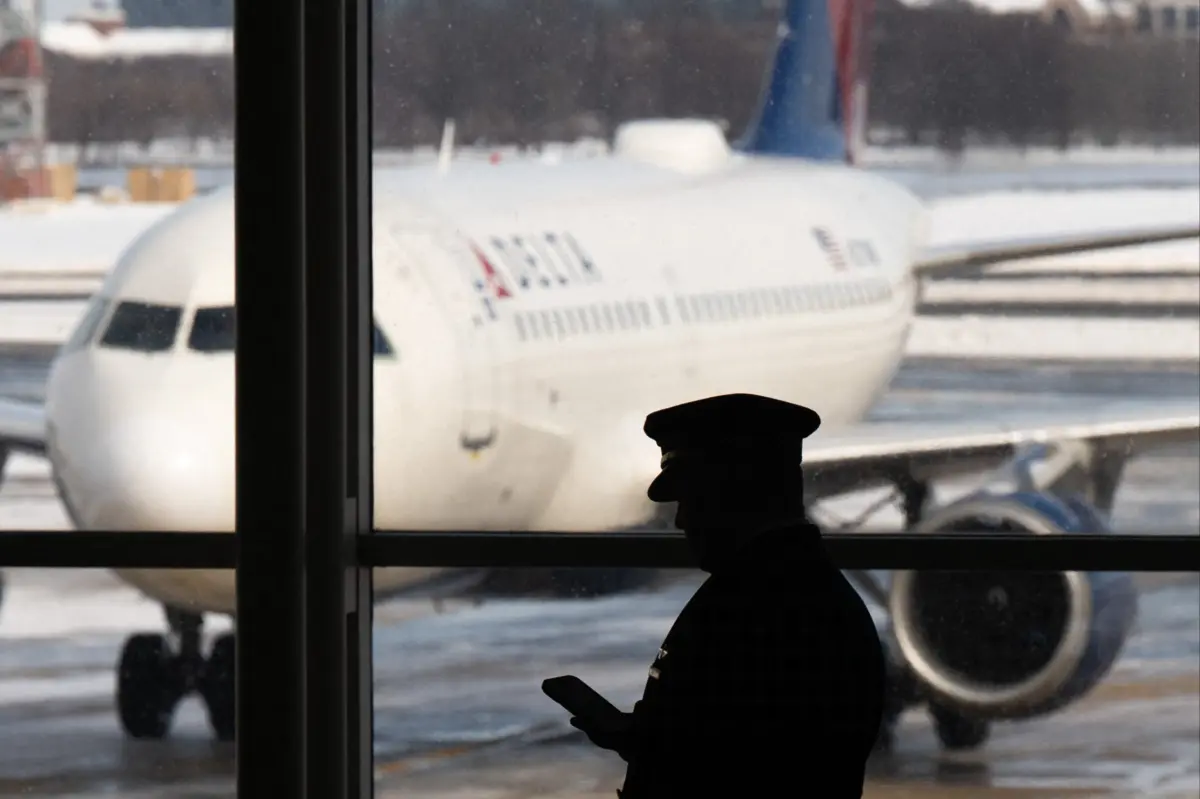
For thousands of travelers across the United States, a sudden and violent shift in the weather turned a routine Sunday into a grueling test of patience. A powerful cold front marching southward collided head-on with warm, moisture-laden air from the Gulf Coast, triggering a onslaught of severe thunderstorms, blinding rain, and intense lightning across the South. The weather deteriorated so rapidly in Georgia that the Federal Aviation Administration was forced to declare an immediate ground stop, temporarily halting all incoming traffic to Hartsfield-Jackson Atlanta International Airport. By the time the skies partially cleared, the ripple effect of this regional storm had disrupted travel plans nationwide, leaving more than 2,600 flights delayed and at least 156 canceled in a chaotic logjam of aviation logistics.
As the absolute heart of the storm’s path and the world’s busiest aviation hub, Atlanta bore the heaviest burden of the afternoon’s weather disaster. The airport grounded planes, rerouted incoming traffic, and struggled to manage the gridlock, ultimately racking up 313 delays and 54 cancellations on its own tarmac. However, because of how tightly interconnected the modern aviation network is, a bottleneck in Atlanta quickly became a headache for the entire country. Major airports thousands of miles away fell like dominoes; New York’s JFK reported 139 delays and dozens of cancellations, while hubs in Boston, Philadelphia, Denver, and San Diego quickly filled with stranded travelers. Major carriers including Southwest, American, and Delta found themselves in a mad scramble to reassign crews and aircraft as their schedules fell apart.
Behind these cold, staggering statistics were thousands of exhausting human stories unfolding in real-time across terminal floors and on cramped runways. Social media quickly swelled with the frustrations of weary passengers sharing their travel nightmares. One flyer recounted the anxiety of being trapped in “sky limbo” for over an hour, watching the clock tick down as their pilot was forced to divert to an entirely different state because the aircraft was running dangerously low on fuel. Others found themselves trapped in seemingly endless loops of standby lists and moving gates, watching their hard-earned vacations slip away one hour at a time.
For one particularly unfortunate group of six travelers, what should have been a seamless journey to Miami became an eleven-hour odyssey of broken promises. After arriving in Atlanta for what was supposed to be a quick connection landing them in Florida by late morning, they watched their original flight get canceled outright. Over the next eight hours, the group was systematically bumped from two different standby flights, lost their confirmed seats on another, and watched helplessly as their final replacement departure was repeatedly pushed back late into the evening. This agonizing cycle of hope and disappointment became the defining experience for hundreds of families scattered across airport gates nationwide.
This storm-induced gridlock could not have come at a more challenging time for the city of Atlanta, which was already bracing for a massive influx of global visitors. The city is scheduled to host a highly anticipated World Cup semifinal match between England and Argentina at Mercedes-Benz Stadium this Wednesday. With the tournament already drawing over 10 million enthusiastic fans to its various host cities across the United States, Atlanta’s tourism infrastructure was already stretched to its absolute limit before the weather intervened. The sudden disruption left both local organizers and arriving sports fans stranded in transit, adding an extra layer of urgency and anxiety to an already high-stakes week of international travel.
Unfortunately for those still hoping to make it to their destinations, meteorologists warn that the travel headache is far from over. Forecasts indicate that the volatile weather pattern will linger over the South through Tuesday, keeping the threat of damaging winds, heavy downpours, and frequent lightning dangerously high. Even as the worst of the severe weather begins to break, lingering humidity and thick cloud cover are expected to persist through the weekend, setting the stage for potential airline backlogs to continue. For those with flights scheduled in the coming days, experts are advising extreme patience, suggesting that travelers check their flight statuses early and prepare themselves for another unpredictable round of delays.