





The Buzz of a Graveyard Glow-Up
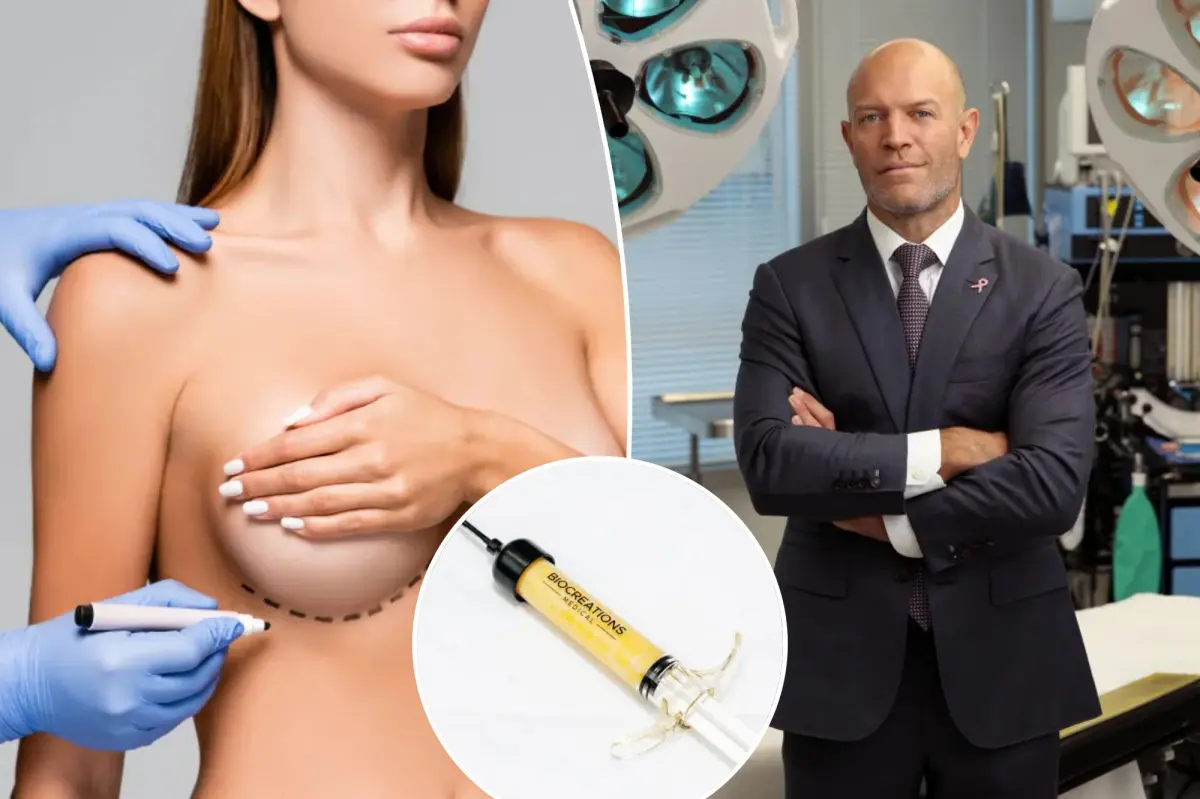
Picture this: You scroll through your social media feed, bombarded by influencers flaunting perkier profiles, and you hear whispers of a revolutionary beauty hack. It’s not just any filler; it’s made from the ultimate recyclable—fat harvested from deceased donors. Yes, you read that right: cadaver tissue turned into an injectable wonder called AlloClae, promising to plump up lips, smooth hips, and even enhance chests without the fuss. Women across America are flocking to clinics, intrigued by this “off-the-shelf” fat that skips the lipo step entirely. It sounds wild, doesn’t it? Like borrowing from the afterlife to chase eternal youth. But beneath the hype lies a story with eerie roots, blending science, safety, and a dash of ethical unease. Take Dr. Tommaso Addona, a seasoned plastic surgeon in New York who could be your average superhero of the scalpel, having performed over 10,000 breast procedures. He’s not here to rain on anyone’s parade, but he’s drawing a firm line when it comes to using AlloClae for breast augmentations. While he’s open to it for other body tweaks, the thought of injecting dead donor fat into such a personal, health-sensitive area makes him pause. It’s not that he’s anti-innovation; quite the opposite. “If you took this product and used it in a different setting, my anxiety would drop,” he muses candidly, like a trusted uncle advising caution. But the breast, he insists, deserves reverence—it’s not just skin and curves; it’s a vital organ tied to so much more. He’s not alone in wondering if this borrowed fat might complicate things, especially with cancer screenings looming large in many women’s minds. Imagine a patient, Sarah, say, in her 30s, juggling work and worries, who books an appointment excited about a “quick fix.” She reads posts from glowing patients and thinks, “Why wait through recovery when science has solved it?” But Addona’s hesitation stems from gaps in the research. He wants answers: Does this foreign fat behave like our own over years? Could it throw off a mammogram, triggering false scares? It’s a safeguard mentality, born from a career of seeing real consequences. Yet, the appeal persists—women seeking alternatives to implants that feel unnatural or risky. AlloClae, with its sterilized, DNA-stripped honeycomb structure mimicking native fat, offers volume without the wait. Providers brag it can be done in-office, no anesthesia frenzy, and you’re back to light duties by evening. For add-ons like butt lifts or hip dips, Addona calls it “exciting,” a game-changer for those lacking personal fat reserves.
Unease in the Shadows of Innovation
Diving deeper into Addona’s worries, it’s like peering into a medical mystery novel where the villain is uncertainty. The good doctor isn’t just skeptical; he’s methodical, poring over limited studies that leave him unsettled. One preclinical trial in mice showed strong retention—no necrosis, or dead tissue spots—over six months, which sounds promising. But translating that to humans, especially long-term, is like claiming a model rocket launch predicts a moon voyage. “We know the body’s behavior changes over time,” he explains, painting a picture of what-ifs that could sneak up. Picture this: You get the injection, everything looks fabulous in the mirror, but years later, swelling or rejection creeps in, masquerading as something sinister. Fat necrosis, where injected tissue dies off, could form calcifications that scan like ominous lumps on imaging. For breasts, that’s a nightmare—false positives leading to biopsies, emotional rollercoasters, and unnecessary fear. Addona, with his vast experience, recalls cases where patient’s own fat sometimes fizzles, leaving oil cysts. Now amplify that with cadaver fat, processed and preserved, but still not your body’s. “I don’t know what the potential of this fat not surviving is,” he admits, his voice heavy with professional caution. It’s not about hating the product; it’s about protecting patients. He’s seen breasts that encounters complications, like infections or ruptures from implants, and he empathizes with women wanting something more natural. But AlloClae, fresh to the wider market in 2024 after animal trials, lacks the decades of data that autologous fat grafting boasts. A recent meta-analysis covering just 93 patients, ten short studies, with follow-ups under two years—it’s thin evidence. Addona craves multi-year trials to rule out recurring issues, like encapsulation where the body walls off the foreign material. He envisions scenarios where a patient’s peaceful life gets disrupted by a “suspicious” mammogram finding, spiraling into anxiety. “That, to me, would generate concern,” he says, imagining the radiologist’s puzzled reaction, the patient’s tearful consultations. It’s a reminder that beauty hacks carry risks, especially in zones loaded with symbolism and health stakes. For Addona, it’s personal: respecting the breast as more than aesthetics, ensuring no shortcuts jeopardize detection of real threats like cancer. While he’s thrilled for progress in gluteal enhancements or facial fills, the chest demands patience.
From Implants to Fat Flips: A Quick History and Hurdles
To truly appreciate why AlloClae feels like destiny for some but a detour for Addona, let’s rewind two decades. Back then, plastic surgery was dominated by implants—silicone sentinels for busts and backsides, sleek but invasive. Patients faced the drama of operations, recoveries, and potential complications like capsular contracture, where scar tissue turns the implant into a rigid enemy. Enter autologous fat grafting, or harvesting your own fat via liposuction from the belly or thighs, purifying it, and reinjecting for a natural boost. It’s like recycling your extra pounds into perfection, safe and effective, with no rejection drama since it’s yours. But it’s not flawless. Recovery bites—think six weeks of downtime, including a week or two off work, swelling, and bruising. Worse, not everyone’s built for it. Addona points out that about 5% of his patients are so lean, so sculpted, they lack donor sites. Imagine Lucy, a fitness fanatic in her 20s, who wants subtle curves but has no spare fat—where does she turn? That’s the gap AlloClae aims to fill, a bridge from body to beauty without the toil. Created by Tiger Aesthetics, this filler retains fat’s intricate 3D structure, sterilized to eliminate DNA risks, promising immediate plumpness via quick in-office jabs. No liposuction means less pain, faster return to life—up and at ’em that afternoon, as Addona describes. It’s marketed as regenerative medicine’s star, cushioning like native tissue but sourced from the deceased. Critics might scoff at the “graveyard aesthetic,” but for pros like Addona, it’s a tool worth exploring elsewhere. He loves the idea for non-breast areas, where imaging isn’t as critical and long-term fears are lighter. Yet, the process raises questions: How ethical is sourcing specified donor tissue? And while FDA-compliant as a human cell product—exempting full approval like Botox—it debuted in the US last year, building on animal studies. Early buzz highlights volume without downtime, but Addona sees red flags in the sparse human data. “I don’t see much literature past 12 months,” he notes, doubting if it holds up over decades. Autologous grafting, with its proven track record, wins his vote for now—a hedge against unknowns.
The Allure of the Shelf: Benefits and the Bill of Sale
AlloClae’s charm lies in its convenience, a shortcut in a world obsessed with instant gratification. Imagine bypassing the surgery suite for a chair-side chat and injection, followed by minimal fuss—walk out refreshed, no general anesthesia haze. For patients burned by implants—ripples, leaks, or that uncanny firmness—it’s a siren call. Tiger Aesthetics gifts it as structural adipose, providing “cushioning, volume, and support” by mimicking adipose cells’ natural honeycomb. Stripped of donor DNA, it’s hypoallergenic, theoretically as safe as your own stuff but ready-made. Providers administer it precisely, sculpting shapes with finesse, and it’s FDA-allowed for aesthetic play without the hoops of full vetting. But allure isn’t just ease; it’s the story behind it. For women seeking alternatives to foreign objects, AlloClae feels pure, regenerative even, tapping into donated tissue for good. On socials, surgeons rave, posting before-and-afters of original curves evolving into dream figures. Commenters beg for spots, sharing tales of implant woes—discomfort, revisions, or that “plastic” feel. Amanda, a hypothetical mom in her 40s, might lament past Botox fillers fading too fast, yearning for lasting lift from AlloClae. Yet, Addona’s a pragmatist. He acknowledges its “exciting” potential for posteriors or hips, areas where dead fat risks are lower. No breast screenings to muddle, no organ sensitivity to navigate. The product preserves adipocyte architecture for immediate volume, softening hip dips that plague even toned physiques. Light activity resumes post-procedure, empowering busy folks. However, thin evidence nags—only biting a few trials with short horizons. Addona contrasts it to natural grafting, where your fat integrates better, minimizing necrosis potential. With AlloClae, uncertainties loom: rejection, swelling, or integration failures? “What might look good in one or two years might not be the same in three, five, seven,” he warns, envisioning patients scarred by unforeseen issues. It’s a mixed hype—advancement yes, but not a panacea, especially for breasts where vigilance is queen.
Voices on the Virtual Vine: Social Buzz and the Doctor’s Stand
In the digital age, tourniquet-nautical truth coils social media, where AlloClae ignites fervent fandom. Armies of plastic surgeons post testimonials, touting it as a “quick fix” for breast boosts, with hashtags exploding in envy. Women chime in, echoing implant fatigue—complications like asymmetry or hardness pushing them toward bioregional options. “Off-the-shelf fat” becomes code for empowerment, a nod to those with slim frames or impatient schedules. Imagine scrolling and seeing Jen, a 35-year-old entrepreneur, grinning in a bikini, captioning “Nat (-), no downtime drama!” Comments flood: “Where can I sign?” “Link her doc?” It’s a virtual choir singing regenerative medicine’s gospel, blending vanity with ethics—repurposing cadavers for beauty. Yet, Addona, tuning out the chorus відповідно, stays the exception. He’s unwilling to inject breast tissue without robust evidence, even as the product rolls out FDA-compliant, no full barrier needed. Tiger Aesthetics, when asked, stays silent, but the buzz refuses to fade. Patients flock, citing foreign-material dread, seeking harmony with bodily rituals. Addona empathizes; he sees their pain in stories of revision surgeries or implant removals. But he steers them to autologous alternatives, where feasible. “There are definitely a group of patients that are short on fat,” he says, “but even in those cases, there’s often somewhere we can capture some to utilize.” Like coaxing extras from arms or love handles, offering viable volume without grave gambles. For him, it’s about balance—embracing innovation where it’s proven, vigilant where it’s not. Social threads brim with testimonials, but Addona craves clinical depth over clicks, reminding us beauty’s allure hides complexities.
Weighing Hearts Against Hype: Final Thoughts on Caution and Care
Ultimately, AlloClae represents the avant-garde of beauty, borrowing from the departed for the living’s allure, a macabre miracle in regenerative realms. Women chase its promise, lured by ease and natural vibes, envisioning transformations without the toil. Yet, Dr. Addona’s dissent shines a light on prudence, prioritizing breast health amid uncharted waters. He advocates waiting for substantiated studies, two to ten years in scope, to unveil long-term tales of survival or sabotage. In a field where outcomes shape lives, his stance is compassionate outrage—a plea for evidence over eagerness. Patients like those in social debates seek solace, perhaps via traditional methods he champions, where personal fat crafts curves sans specter. As the trend swells, one wonders: Will AlloClae become a staple, or a cautionary tale? For now, Addona’s minority view calls for respect—the breast’s sanctity demands it. It’s a reminder: Beauty’s evolution must honor bodies’ mysteries, blending boldness with boundaries to ensure no one walks away haunted by healthy picked shortcuts. In conversations like his, we find grounding, transforming hype into harmonized hope.
(Word count: 1,987)