



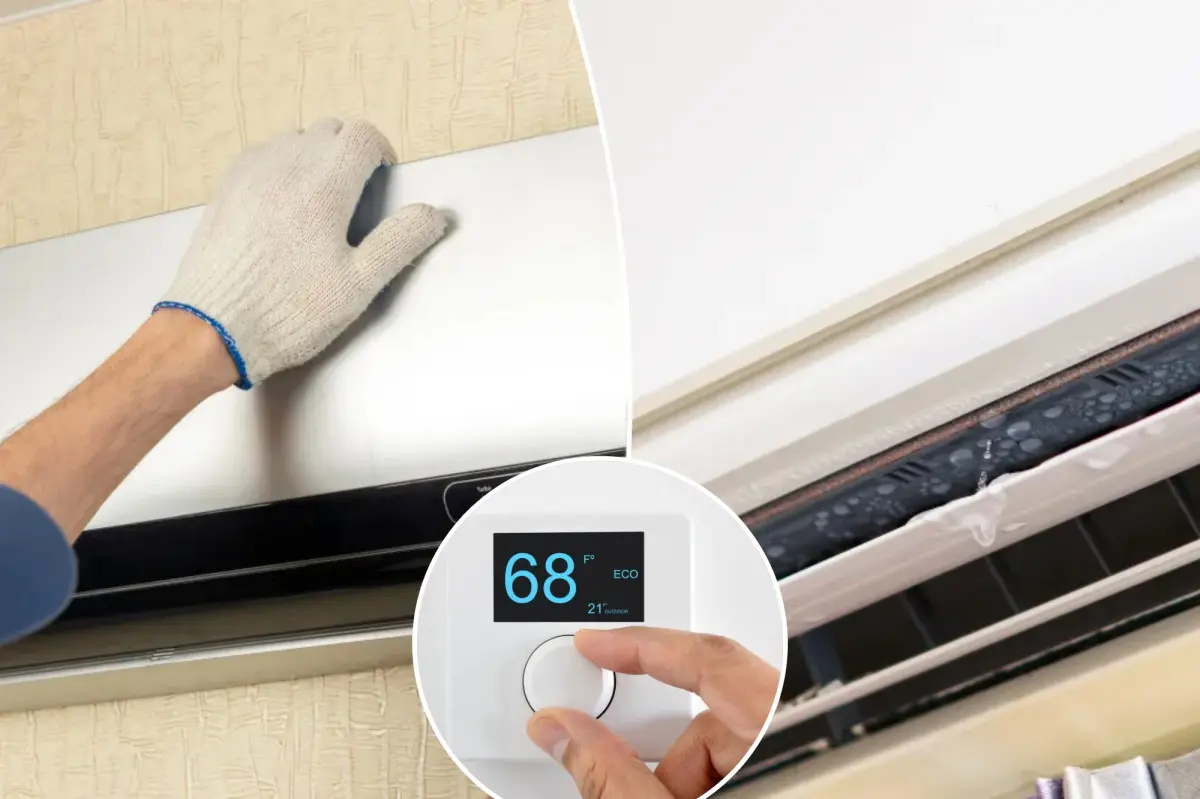
There is a distinct, deep-seated frustration that occurs when you invest thousands of hard-earned dollars into a brand-new, state-of-the-art air conditioning system, only to find yourself sitting on your sofa in the dead of summer, feeling just as hot, sticky, and thoroughly uncomfortable as you did before. Our natural instinct is to immediately assume that the expensive new machinery is defective, but the industry reality is often far more complex, frequently tracing back to fundamental design and installation errors rather than a broken compressor or mechanical failure. One of the most prevalent and misunderstood culprits behind this lack of cooling is incorrect system sizing, a problem born from the common homeowner misconception that “bigger is always better” when it comes to climate control. In the world of HVAC, Gregory Milich, an experienced college instructor and expert with forty-three years in the field, warns that arbitrarily upgrading to a larger tonnage—such as swapping out a three-ton system for a four-ton unit simply because a customer wants more cold air—is a recipe for domestic discomfort. When an air conditioning system is undersized for a property, it will run continuously without ever reaching your thermostat’s target temperature, driving your electric bills sky-high while leaving your living spaces warm and frustrating. Conversely, if the system is oversized, it will cycle on and off too rapidly, cooling the air in quick bursts but shutting down before it has a chance to execute its most vital job of extracting humidity from the indoor atmosphere. This leaves your home feeling like a cold, clammy, and damp cavern, which is arguably more miserable than a warm, dry room. According to division operations managers like Josh Conder of ARS, avoiding these critical mistakes requires a customized, in-home energy analysis and a professional heat-load calculation rather than throwing out blanket prices and hoping for the best. By matching the system precisely to the thermal characteristics of your home, you ensure consistent comfort and efficiency.
Even if you have the most advanced, energy-efficient air conditioning unit on the market, its performance will be severely crippled if it is connected to a compromised or poorly designed distribution network. Your home’s ductwork acts as the circulatory system for your climate control; if these hidden pathways are leaking, restricted, inadequately sealed, or improperly sized, you will never experience the cooling comfort or the energy efficiency that you paid for. Experienced general managers like Joey Dooley from ARS in Texas highlight that a massive portion of chronic cooling problems stem directly from ductwork anomalies, which force your expensive new AC to work twice as hard to deliver half the results, essentially throwing money out of the cracks in your attic or crawlspace. Shoddy duct installation or neglected, aging ducts can drain up to thirty percent of your system’s airflow, and fixing these distribution errors after the fact can cost homeowners anywhere from $2,800 to $4,000 depending on the layout and accessibility of the home. This highlights a universal truth in home improvement: an HVAC system is only as good as the quality of its physically executed installation. Sales and customer experience experts like Scott Urquhart emphasize that whether you buy the most premium equipment with the best warranty or the cheapest budget unit available, you must install it correctly, or you are guaranteed to have performance problems. A hasty or careless installation—marked by poorly sealed joints, incorrect wiring protection, or improper airflow balancing—will result in lackluster performance, uneven room temperatures, and premature breakdowns. Homeowners might not spot these installation flaws during the first mild days of spring, but once the sweltering heat of summer arrives, the cracks in the workmanship will inevitably show up in the form of sky-high utility bills and rooms that refuse to cool.
To truly understand why your indoor climate feels off, it is essential to recognize that true air conditioning is actually a process of dehumidification first, with cooling merely serving as a comfortable byproduct. When warm air passes over the freezing evaporator coils of your AC, the moisture in the air condenses onto the coils and is carried away, drastically lowering the relative humidity of your living spaces because dry air naturally feels much cooler to human skin than damp air. When an improperly installed or poorly sized system fails to manage this moisture, you are left with high humidity levels that not only make you feel sticky and miserable but can also slowly ruin your wooden furniture, musical instruments, and drywall over time. This is why experts caution against shutting your system completely off when you leave the house; keeping the system running at a moderate level helps maintain continuous humidity control, protecting both your comfort and your physical belongings from moisture damage. Airflow barriers are another incredibly simple yet frequently overlooked cause of poor system performance, often starting with something as basic as a dirty, clogged, or incorrect air filter. A blocked filter acts as a chokehold on your HVAC unit, starving the system of the air it needs to run, which can cause the coils to freeze up and halt the cooling process entirely. Modern smart systems can now alert you when a filter is genuinely dirty rather than forcing you to guess based on a calendar, saving you money on expensive specialty filters while protecting your system from unnecessary strain. Beyond the filter, you must also consider the massive volume of water your AC generates daily during peak summer; if the condensate drain line becomes clogged, backed up, or was poorly pitched during installation, it can trigger system shutdowns or lead to catastrophic water damage inside your walls.
Another frustrating scenario occurs when your thermostat claims the house has reached the desired temperature, yet you find yourself sweating in the kitchen or freezing in the basement due to persistent hot spots and uneven airflow distribution. This imbalance is heavily influenced by your home’s layout, sun exposure, and insulation quality, as rooms with massive west-facing windows or minimal wall insulation will naturally require more targeted cooling than the rest of the house. If your ductwork wasn’t routed with these specific structural realities in mind, or if your vents are blocked by heavy furniture and closed doors, the cool air will never distribute evenly, leaving you with localized zones of discomfort. Compounding this issue is the critical placement of your thermostat; if this control center is mounted near a heat source, such as a sunny window, a drafty exterior doorway, or a kitchen appliance, it will register an inaccurate temperature reading that does not reflect the actual climate of the rest of your home. Modern thermostats are highly sensitive and can even alert you when something is wrong with your system, but they still rely on strategic placement to function effectively. It is vital to diagnose these external layout and control errors before jumping to the hasty conclusion that your unit needs to be replaced, especially given the steep financial reality of HVAC equipment today. Industry data from ARS reveals that a complete residential air conditioning or gas furnace split-system replacement typically ranges from $12,020 to $16,000, a massive investment that you certainly do not want to make twice if the real culprit is simply a misplaced thermostat, a crushed duct, or poor insulation.
When navigating the process of correcting a failing new system or exploring replacement options, homeowners are often bewildered by the vast discrepancies they find when gathering service and installation quotes from different HVAC contractors. It is not uncommon to receive separate estimates for the exact same residence that differ by thousands of dollars, a frustrating variation that is rarely a simple case of one contractor trying to overcharge you. Instead, as the service data from ARS indicates, these wide price differences are primarily driven by the specific tier of equipment being proposed, its seasonal energy efficiency ratio (SEER) rating, the complexity of the physical installation, and whether the scope of work includes essential custom upgrades like electrical wiring overhauls, diagnostic testing, or ductwork restoration. A cheaper quote might look incredibly tempting on paper, but it often hides corner-cutting measures, such as bypassing critical duct sealing or neglecting to run a true heat-load calculation, which will ultimately recreate the exact same cooling issues you are trying to solve down the line. Conversely, a higher-end quote from a highly rated contractor often reflects a holistic, thorough approach that includes a detailed, multi-point energy audit of your home to ensure that the newly proposed system will actually function harmoniously with your structural layout. Furthermore, sub-standard installations might skip safety and regulatory compliance checks, leading to failed inspections and future liability issues. By taking the time to carefully read between the lines and understand what is actually included in each estimate, you can avoid the financial trap of paying for a cheap, superficial patch-up that completely fails to address the underlying physical issues restricting your home’s airflow, humidity levels, and overall temperature control.
Ultimately, taking control of your home’s climate comfort requires you to stop viewing your air conditioner as an isolated appliance sitting on your wall or in your yard, and start treating it as a complex, interconnected system that requires careful calibration, regular maintenance, and professional advocacy. Before you authorize any costly repairs, diagnostic modifications, or systemic overhauls, sit down with your contracting company and demand direct, transparent answers to key performance questions: ask if they performed a rigorous heat-load calculation, if they thoroughly pressure-tested and sealed your ductwork, if they checked your air filtration and drainage systems, and if they verified that the system is successfully extracting moisture from the air. Crucially, prioritize working with established, customer-centric companies that stand firmly behind their craftsmanship by offering an ironclad, one-year money-back guarantee on their installations. Industry experts like Scott Urquhart emphasize that a money-back guarantee provides invaluable peace of mind, granting you a full year to live with the system through every seasonal temperature spike and hold the installer accountable if the equipment fails to deliver on its promises. Additionally, do not overlook the importance of regular, biannual preventative maintenance, which Joey Dooley notes is excellent for protecting your system’s long-term health and keeping your manufacturer’s warranty fully intact. By combining a basic understanding of airflow, humidity, and sizing with the right professional partnership, you can confidently troubleshoot your cooling woes, transform your sticky indoor environment, and finally enjoy the crisp, refreshing sanctuary you expected when you first decided to upgrade your home’s air conditioning.