


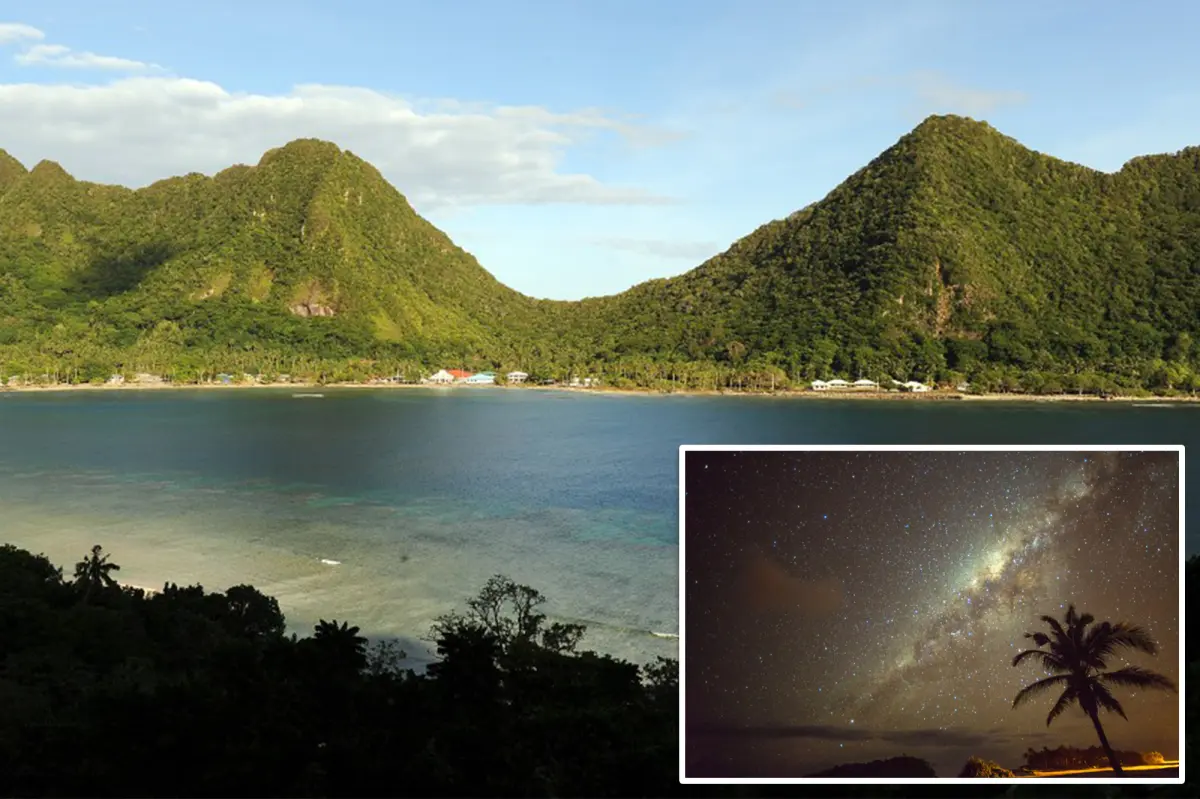
If your travel bucket list includes checking off every single U.S. national park, there is one breathtaking destination that requires you to pack more than just your hiking boots and sunscreen—you will also need a valid passport. Hidden in the heart of the South Pacific, about 2,600 miles southwest of Hawaii, lies the National Park of American Samoa. Because of its remote location outside the contiguous United States, the U.S. Department of the Interior requires all visiting travelers to present a valid U.S. passport or a certified birth certificate proving their nationality. This extraordinary park is spread across three spectacular tropical islands—Tutuila, Ofu, and Ta’ū—and offers an unparalleled, untouched paradise for adventurous souls willing to make the long journey.
To reach this secluded sanctuary, travelers must first fly into Pago Pago International Airport on the main island of Tutuila. From there, those wishing to explore the outer islands can catch small connecting flights to the more remote shores of Ofu and Ta’ū. Visitors should prepare themselves for a true tropical climate, characterized by warm, humid temperatures year-round and frequent, dramatic rain showers, particularly during the wet season which runs from October to May. Despite the logistical effort required to get there, the rewards are immense; the park is open year-round and, unlike many of its mainstream mainland counterparts, charges absolutely no entrance fees to explore its natural wonders.
Each of the three islands offers a distinct flavor of adventure for travelers eager to immerse themselves in both nature and local tradition. The main island of Tutuila is the cultural and recreational hub, boasting scenic hikes like the Mount ‘Alava Trail, the rugged coastal beauty of the Le’ala Shoreline, and unique opportunities to engage with local Samoan communities. If you are looking to truly escape the modern world, the island of Ta’ū offers an off-the-beaten-path experience dominated by dense, pristine rainforests and Lata Mountain, which stands as the highest point in American Samoa. Meanwhile, Ofu Island is a dream come true for beach lovers, famous for its tranquil, picture-postcard white sand beaches and some of the most vibrant, untouched coral reefs in the world.
Whether you prefer scaling volcanic peaks or drifting over colorful coral reefs, the park’s diverse ecosystems promise unforgettable experiences both on land and in the water. Hikers can challenge themselves on steep, muddy trails that wind through lush tropical rainforests to reveal jaw-dropping panoramic views of the Pacific Ocean. Beneath the ocean’s surface, the adventure continues with over 4,000 acres of protected marine territory. This thriving underwater world is a haven for snorkelers and scuba divers, who can swim alongside an abundance of marine wildlife, including sea turtles, tropical fish, and diverse coral structures.
Because of the park’s rugged terrain, unpredictable weather, and remote location, national park officials strongly encourage all visitors to plan and pack with extreme care. Standard amenities can be scarce on the outer islands, making self-sufficiency and respect for the local environment essential. Exploring this region means embracing the wild, untamed elements of nature while respecting the deeply rooted traditions of the indigenous Samoan people, who have coexisted with these lands and waters for thousands of years.
Ultimately, the National Park of American Samoa stands as a testament to the raw, preserved beauty of the South Pacific. It represents a rare kind of travel destination—one where the journey itself is an adventure, and the reward is a peaceful encounter with some of the most isolated landscapes on Earth. For those willing to secure their passports, book the flights, and step well outside their comfort zones, this tropical national park offers a profound, life-changing connection to nature that you simply cannot find anywhere else in the United States.