

There is a particular kind of shame that comes from pulling something out of your closet — a shirt, a pair of jeans, maybe a kitchen gadget — and realizing you don’t even remember buying it. It still has the tag on. It’s never been used. And yet, at some moment, it felt absolutely necessary. If that sounds painfully familiar, you’re not alone. We all have stuff we swore would change our lives, only to watch it gather dust behind a stack of old sweaters. A study by the custom packaging firm Arka decided to dig into this universal experience. Researchers looked at public Reddit discussions where people were surprisingly candid about their worst purchases, then analyzed feedback on 20 popular consumer products. They sorted the responses into three categories: little-to-no use, mixed use, and regular use. The final rankings tell a funny, uncomfortable, and deeply relatable story about how we shop. According to an expert from Arka, impulse buying is behind most of these purchases, and it’s far more widespread than people like to think. The average American spends around $150 a month on unplanned buys, which adds up to nearly $1,800 a year. That’s not just pocket change; that’s rent, groceries, a car payment, or a real vacation. Yet we keep doing it, again and again, because buying something new feels good in the moment. It gives us a little hit of excitement, a sense of possibility. The object itself isn’t the real purchase; we’re buying an idea of who we want to be. The problem is that the version of ourselves who actually uses that item never quite shows up.
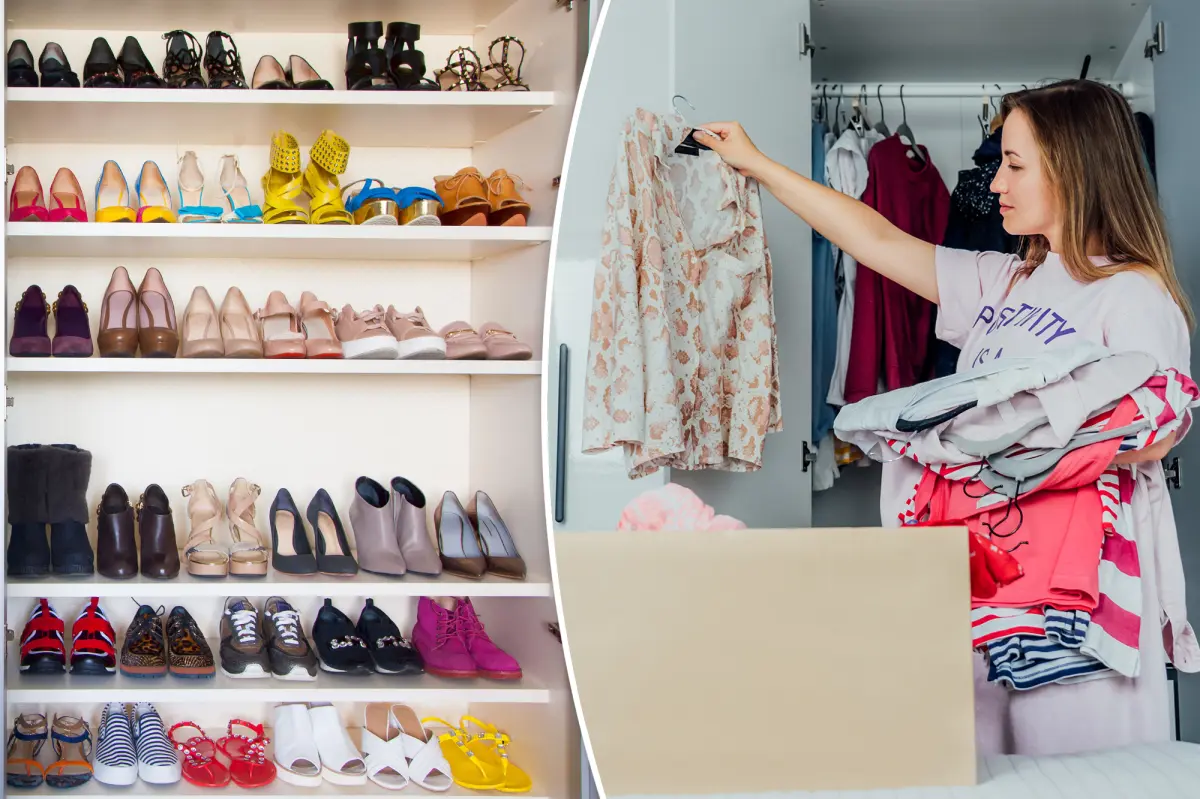
Unworn clothing sits at the very top of the list, and it’s not even close. Nine out of ten people admitted that a huge part of their wardrobe has never actually been worn. Some garments still have the original store tags swinging from the sleeves, symbols of good intentions gone nowhere. Redditors were quick to identify the usual culprits: impulse buys and something they called “aspirational sizing.” That’s when you buy an outfit for a future version of yourself — a thinner, fitter, more put-together version who wakes up early and goes to the gym and has somewhere fabulous to go on a Tuesday night. And while that future self is very motivating at the checkout counter, she never seems to arrive. Around 85.7% of people confirmed that their closets are packed with clothes that see little to no action. It’s easy to laugh at this, but there’s something a little sad about it too. These clothes represent hope, but also a constant reminder of what we haven’t done. That little black dress that doesn’t fit yet. The bright yellow jacket that seemed so fun in the store but feels like a costume in real life. The jeans that were a size too small because they were on sale and you were motivated. We hang them up, we move them around, we maybe take off the tag and wash them so they feel “ready,” but then we still reach for the same comfortable pair of pants every morning. The closet becomes a graveyard of who we thought we might become, and the guilt is real. But it also illustrates something important: we don’t buy clothes because we need them; we buy them because we want to feel different, to be seen differently, to escape the mundane version of ourselves for just a little while.
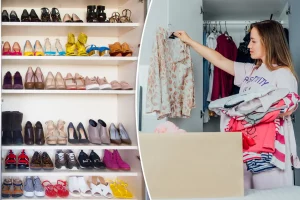
The second place on the list is a kitchen appliance that promised health and vitality but delivered mostly chaos: the slow juicer. It turns out that 86% of buyers abandoned their slow juicer within days of bringing it home. Across multiple Reddit threads, the same complaint kept coming up: the cleanup is brutally tedious. Yes, the juice is delicious. Yes, it feels virtuous to sip something bright green and fresh. But then comes the dismantling of the machine, the scrubbing of the mesh filter, the sticky pulp collecting in every crevice, the lingering smell of half-decomposed kale. It takes ten minutes to drink the juice and thirty minutes to clean up the evidence. Eventually, you start telling yourself that chewing fruit is basically the same thing. And so the slow juicer gets pushed to the back of the counter, then into a cabinet, and finally into the guest room or a secondhand store within the first month. It’s a perfect example of buying based on an idealized lifestyle rather than your actual one. Maybe you were inspired by a wellness influencer who makes juice look glamorous and effortless. Maybe you had a moment of conviction at the store, imagining a new you who starts every morning with a fresh ginger shot. But the real you just wants coffee as fast as possible before running out the door. The same pattern applies to shoes and high heels, which landed at number three. Eighty percent of shoppers admitted that some pairs of their footwear never hit the pavement. Many shoes are bought for a single special occasion — a wedding, a party, a once-in-a-lifetime event where you want to look amazing. But after one agonizing evening of blisters, aching arches, and strategically sitting down whenever possible, those shoes get permanently retired. Others are bought in the wrong size on a whim, because they were on clearance or they were the only pair left and your brain convinced you that half a size too small would stretch out. It doesn’t. They just sit there, beautiful and unworn, reminders that style sometimes requires more suffering than we’re willing to admit.
The fourth and fifth spots on the list might hit even closer to home for anyone who has ever splurged on a “treat yourself” moment. Handbags claim fourth place, with eight in ten shoppers saying their designer purchases rarely leave the closet. It’s not that people don’t want to use them. It’s that the bag they couldn’t resist in the store turns out to be awkwardly heavy, hopelessly impractical, or just too precious to bring into the chaos of everyday life. You fall for the flashy design, the brand prestige, the way it looks when you hang it on your arm in the showroom. Then you get home and realize it can barely fit your phone, your keys, and a lipstick. Or it’s gorgeous but weighs three pounds empty, and your shoulder is already crying after one afternoon out. So you default to the same trusty tote bag you’ve used for years, the one that’s a little ugly but fits your laptop, snacks, a water bottle, and everything else life throws at you. Meanwhile, that beautiful bag sits in its dust bag, waiting for a more elegant life that never arrives. Beauty and skincare products round out the top five, and you probably saw this one coming. Over 75% of remorseful buyers confessed to opening a product exactly once before abandoning it forever. The blame falls heavily on viral social media trends and irresistible sales. Everyone is recommending a ten-step routine, and suddenly you’re buying serums, toners, snail mucin, vitamin C, retinol, and three different kinds of moisturizer. But multi-step routines become exhausting fast, and hype-driven formulas often don’t match your actual skin type. The result is a drawer overflowing with half-use bottles, some that broke you out, some that smelled weird, and some that you only bought because they were limited edition and you were afraid to miss out. It’s not just a waste of money; it’s a waste of hope. Every bottle promised something — clearer skin, brighter eyes, a more rested version of yourself — and every bottle slowly begins to feel like a small betrayal.
The experts at Arka point out that retail is specifically designed to prompt impulse buys. Promoting sales, limited-time offers, flash discounts, and “only a few left” reminders all push people to buy things they wouldn’t have considered at full price. The store is never your friend, exactly, but it’s also not your enemy; it’s just a system built to move products, and it knows how to speak directly to your emotions. When you see a red sale sign, your brain doesn’t think about the money leaving your account; it thinks about the deal, the scarcity, the excitement of snagging something before someone else does. And once the excitement fades, you’re left with a slow juicer in your cabinet and a pair of heels in your closet. The environmental cost is serious, too. As the Arka expert noted, every unused item still went through the full production process. It required materials, energy, water, shipping, packaging, and labor. It traveled all the way to you, and then it sat there unused until eventually, it ends up in a landfill. That’s a heavy thought. All those discarded and forgotten products were never just wasted money; they were wasted resources, wasted effort, and wasted opportunities. Beyond the top five, the rest of the list reads like a museum of good intentions. Craft supplies and yarn, a Singer home sewing machine, a camera, notebooks and journals, and camping and backpacking gear all made the top ten. Each one is a beautiful, hopeful purchase. The crafting table that was going to be your new creative outlet. The sewing machine that was going to save you money and fill your home with handmade curtains. The camera that was going to make you see the world differently. The journals that were supposed to hold deep thoughts but are still blank. The camping gear that was going to reconnect you with nature, still folded in its bag in the garage. We buy these things because they’re connected to a version of ourselves that is more creative, more adventurous, more intentional. But the gap between who we are and who we want to be is often filled with unused stuff.
What can we actually do about this? The first step is to stop beating ourselves up. We’re human, and humans have always been drawn to objects that promise a better life. But we can change our habits by changing the way we shop. Before buying something, ask a few honest questions: Will I really use this in the next month? Do I already own something that does the same thing? Am I buying this for who I am right now, or for who I hope to become? Is this a decision I would make if it weren’t on sale? The answers can be uncomfortable, but they can also save you hundreds of dollars and a lot of closet space. For special occasions, consider renting or borrowing instead of buying one-time outfits and accessories. For trendy skincare, do a little research and wait a week before opening your wallet. For aspirational clothing, maybe buy clothes that fit the body you have today, and celebrate that body for making it this far. And if you already own a slow juicer that you never use, you’re not alone. You can donate it, sell it, or give it to someone who will actually use it. The goal isn’t to become a minimalist automaton who never buys anything fun. The goal is to make sure the things we buy actually earn a place in our lives. Because the most valuable thing you own isn’t a pair of unworn heels or an untouched journal; it’s your peace of mind, your financial freedom, and the space to live a life that doesn’t revolve around maintaining a graveyard of things you never really needed. It’s okay to want nice things. It’s okay to enjoy shopping. But it’s even better to walk into your home at the end of the day and feel like everything around you is something you actually use, love, or need. That, more than any purchase, is a feeling worth investing in.