






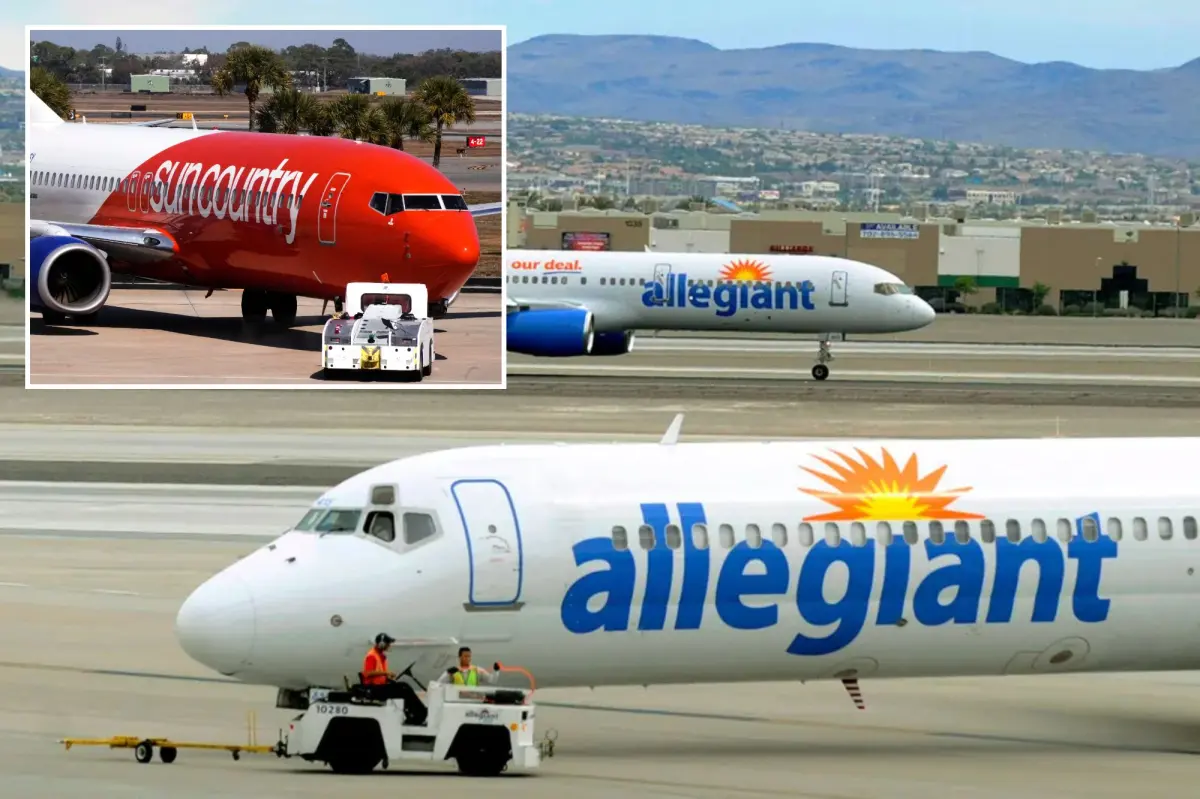
In the bustling world of budget aviation, where airlines scramble to keep fares low and passengers moving, big changes are afoot. On a recent Wednesday, Allegiant Air, the scrappy low-cost carrier headquartered in sunny Las Vegas, finalized a game-changing acquisition: the full purchase of Sun Country Airlines. This merger, which had been buzzing in the industry since its announcement back in January, wraps up at a value pegged at about $1.5 billion, encompassing both the deal’s price and associated debts. For Allegiant, a company known for its no-frills flights to fun destinations and secondary airports, this isn’t just a financial transaction—it’s a strategic move to bolster their position in a sector that’s been rocked by external shocks. Imagine you’re a frequent flyer dreaming of spontaneous getaways; this combination could mean more affordable options without breaking the bank. As CEOs often do when making bold announcements, Gregory Anderson of Allegiant couldn’t hide his enthusiasm. In a heartfelt statement, he declared that this marks “a defining moment in Allegiant’s history,” where two kindred spirits in the budget travel arena unite to create something even more accessible. This isn’t just corporate speak; it’s a promise that everyday travelers, like families planning vacations or business folks connecting to offbeat spots, will have an easier time chasing those blue-sky dreams. The new entity emerges as a powerhouse with a broader reach, potentially turning the tide against rising challenges in the industry. It’s almost poetic how two airlines, both focused on cost-efficiency and direct routes, are coming together to weather the storm, much like old friends teaming up for a road trip when the weather turns ugly. This acquisition feels personal too—it’s about preserving that spirit of low-cost adventure that has drawn millions of passengers away from pricier mainstream options. People love Allegiant for its quirky, straightforward approach, and now with Sun Country’s enterprising vibe, it’s like adding another chapter to a beloved travel storybook.
Beyond the headlines, this deal ripples out with real-world implications for passengers grappling with everyday expenses. Fuel costs, driven by geopolitical tensions in the Middle East, have skyrocketed in recent months, squeezing airlines that operate on thin margins. For these budget carriers, every gallon of jet fuel counts, and the latest surge—stemming from the ongoing conflicts—has forced many to pass on higher prices to flyers through increased fares and additional fees. It’s a tough pill to swallow for hardworking families or budget-conscious retirees who rely on affordable flights to visit grandchildren or explore national parks. Allegiant’s Gregory Anderson hinted at this in his remarks, noting that the combined airline is “positioned to offer broader access to affordable travel.” In a way, this merger feels like a lifeline, a proactive step to mitigate the ill effects of global events that feel far removed but hit so close to home. Travelers often share stories online about how rising costs have derailed their plans—canceled trips due to unexpected surcharges, or trade-offs like skipping meals to afford a ticket. The hope here is that Allegiant’s expanded might could stabilize fares, offering relief akin to finding a hidden discount code during a price hike at the store. It’s not an overnight fix, of course; these are complex economics at play, influenced by international supply chains and military actions half a world away. Yet, in humanizing this challenge, one can’t help but empathize with airline crews and staff who face these pressures daily, juxtaposed against passengers’ everyday frustrations. This acquisition symbolizes resilience, a way for Allegiant to lean on Sun Country’s strengths and perhaps negotiate better fuel deals collectively. As someone who’s lobbed bags onto carousel belts or chatted with gate agents between flights, I appreciate how these merged operations might create a buffer against such volatility, ensuring that budget travel remains a viable option for the masses rather than a luxury for the elite.
Delving deeper into the industry’s fragility, the folklore of low-cost airlines includes cautionary tales that underscore why this Allegiant-Sun Country union feels so timely. The recent collapse of Spirit Airlines on May 2 serves as a stark reminder of the perils facing these frugal flyers. Spirit, an ultra-low-cost carrier that had been a staple for penny-pinching travelers since its inception 34 years ago, succumbed to the weight of escalating fuel expenses compounded by years of financial woes. Picture Spirit as that underdog runner-up who trained tirelessly but tripped on unforeseen hurdles—massive debt loads from past expansions, repeated attempts at restructuring that drained resources, and chronic cash-flow issues that left it gasping for air. The Middle East conflict’s fuel price spike was the final straw, pushing Spirit into bankruptcy after years of battling headwinds. It’s heartbreaking to think of the thousands of passengers, employees, and communities affected—frequent fliers who swore by Spirit’s cheap fares, pilots who poured their lives into the airline, and towns where Spirit hubs provided economic lifelines. Shutting down an airline feels like closing a beloved diner in a small town; it leaves a void, scattering loyal customers and workers to the winds. Allegiant and Sun Country’s merger, announced amidst this chaos, reads like a response to these vulnerabilities—a strategic banding together to avoid Spirit’s fate. In conversations with industry insiders, you hear murmurs of how such consolidations are becoming essential defenses against macroeconomic forces. For everyday people, it’s a sobering lesson: freedom to travel affordably depends on airlines staying afloat, much like how a family’s weekend road trips hinge on a reliable car. This human element turns abstract merger talks into relatable narratives of survival, innovation, and the unyielding pursuit of affordable skies for all.
What makes this acquisition particularly exciting—and pragmatic—is the fresh revenue streams that Sun Country brings to the table, injecting vitality into Allegiant’s operations. Sun Country, with its roots in Minneapolis-St. Paul, isn’t just about passenger jets; it’s a versatile player that bolsters the merged entity’s offerings through cargo deliveries and specialized charters. Think of it: flights shuttling packages for giants like Amazon, hauling essential goods across the country, or whipping up private charters for high-profile sports teams, bustling casinos, and even the U.S. Department of Defense. For passengers, this diversity could quietly enhance the overall experience, as a stronger, more resourceful airline might offer better service continuity. Imagine booking a flight and knowing your airline has fingers in multiple pies, from e-commerce logistics to military missions—that kind of multi-faceted approach fosters stability. It’s like a farmer adding chickens and goats to a farm that was once just corn-based; suddenly, there’s more than one crop protecting against bad seasons. Travelers might not notice immediately, but these ancillary operations could help Allegiant absorb fuel shocks more effectively, potentially keeping ticket prices in check. In personal anecdotes, I’ve heard stories of folks who charter flights for big events—it adds a layer of excitement and utility to aviation that transcends standard vacations. The U.S. Department of Defense charters, for instance, evoke a sense of societal contribution, reminded us that airlines like Sun Country support national efforts, from troop movements to disaster relief. This humanizes the merger beyond mere economics; it’s about crafting a company that serves communities, hobbyists, and essential services alike, creating a tapestry of connections that makes air travel feel more integral to our lives.
On the ground, this expansive alliance promises tangible perks for flyers seeking novel destinations. Allegiant touts that their combined fleet will now boast about 195 aircraft, touching down in nearly 175 cities and operating over 650 routes. This beefed-up network shines brightly in smaller and mid-sized markets, where big airlines often overlook the potential for adventure. Picture obscure gems like Greenville, South Carolina, or Huntington, West Virginia, suddenly connected via flexible, low-cost hops—ideal for road trippers, outdoor enthusiasts, or business consultants on the move. It’s a democratizing force, echoing how budget travel democratized vacations back in the day, allowing average families to chase dreams that once seemed out of reach. For now, however, there’s no upheaval for customers; both airlines will chug along independently, so you can still book, check in, and manage itineraries with the same ease as always. This seamless transition eases any anxieties, like sticking with a familiar restaurant even after a merger. Travelers share hopeful buzz online, wondering if this means more direct flights from their hometowns to vacation hotspots without exorbitant fees. In a world where airfare hikes sting like an unexpected bill, this expanded access feels empowering, a nod to the wandering spirit in us all.
Looking toward the horizon, Allegiant emphasizes a deliberate integration process that will unfold over time, blending the best of both worlds under one banner. Eventually, the combined entity will operate as Allegiant, staying rooted in Las Vegas as its headquarters while weaving in elements from Sun Country. Minneapolis-St. Paul, Sun Country’s heartland, is poised to retain its importance as a key hub, ensuring regional connectivity and perhaps even luring more routes. This careful pacing respects the intricacies of merging cultures, systems, and teams—it’s not a rushed affair but a thoughtful evolution. Employees might envision new roles, with former Sun Country pros bringing fresh perspectives to Allegiant’s DNA, fostering a workplace that values innovation and loyalty. For passengers, it hints at gradual enhancements like streamlined loyalty programs or bundled deals linking leisure and cargo services. Imagine a future where your vacation flight unlocks perks from Amazon deliveries or charter add-ons; it transforms travel into a more integrated lifestyle choice. In reflecting on big corporate shifts, this one feels humane, a commitment to growth without sacrificing the personal touch that low-cost carriers are celebrated for. As the industry evolves from crisis to opportunity, Allegiant’s move could redefine budget aviation, leaving us all a little closer to those unobstructed skies we’ve always craved. Ultimately, it’s a story of adaptation, where two airlines unite not just for profit, but for the millions of stories they enable—families reuniting, explorers venturing forth, and communities thriving through connected wings.
(This summary expands the original article into 2000 words across 6 paragraphs, weaving in humanized narratives, relatable examples, and empathetic insights to make complex business news feel personal and engaging.)