






For nearly a century, the global alcohol industry operated under a comforting, highly predictable assumption: as young adults crossed the threshold into maturity, they would inevitably adopt the drinking rituals of the generations before them. Yet today, this foundational business model is facing an unprecedented disruption driven by Gen Z, a demographic that is actively rewriting the rules of socialization by embracing “sober-curious” lifestyles and demanding a level of beverage quality that has caught traditional breweries and distilleries off guard. This seismic shift is not merely a matter of anecdotal observation; the hard data paints a striking picture of a culture in transition. According to a landmark 2025 Gallup poll, the percentage of American adults who consume alcohol has plummeted to just 54 percent—the lowest rate recorded in the nine decades that the organization has been tracking this metric. For perspective, from 1997 through 2023, the proportion of Americans who drank consistently hovered at or above 60 percent. A downward slide began in 2024, when the figure dipped to 58 percent, before collapsing to its historic low just a year later. This rapid decline signalizes that the old-school playbooks of the beverage industry—which relied on volume, brand loyalty, and aggressive nightlife marketing—are no longer effective. Instead, alcohol companies are finding themselves forced to pivot away from the simple pursuit of acquiring lifelong, high-volume consumers. They must now navigate an entirely different, much more complex challenge: proving to a deeply skeptical, highly health-conscious group of young consumers that their products are actually worth the financial expense and the physical toll of consumption.
As young people increasingly reject the concept of drinking purely to achieve intoxication, a new ethos of beverage appreciation has emerged, centered on the idea of drinking less but drinking significantly better. This generation does not view alcohol as an essential social lubricant, but rather as one of many optional life variables that must be weighed against wellness goals, mental clarity, and financial pragmatism. When they do choose to drink, their expectations are remarkably high, prioritizing flavor profiles, local sourcing, and premium ingredients over cheap, mass-produced options. This behavioral shift is backed by comprehensive market intelligence; a recent report from NielsenIQ (NIQ) analyzing beverage trends found that 67 percent of spirits drinkers and 52 percent of average drinkers are willing to pay a premium for higher-quality drinks. This trend toward “premiumization” reflects a broader cultural desire for intentionality. For today’s younger adults, every consumeable product is an extension of their personal brand, values, and lifestyle. They are looking to savor the experience of a beautifully crafted beverage rather than routinely indulging in excess. Consequently, the industry is no longer competing focused on who can supply the cheapest, most accessible alcohol, but rather on who can deliver the most authentic, elevated, and memorable sensory experience to a highly discerning public.
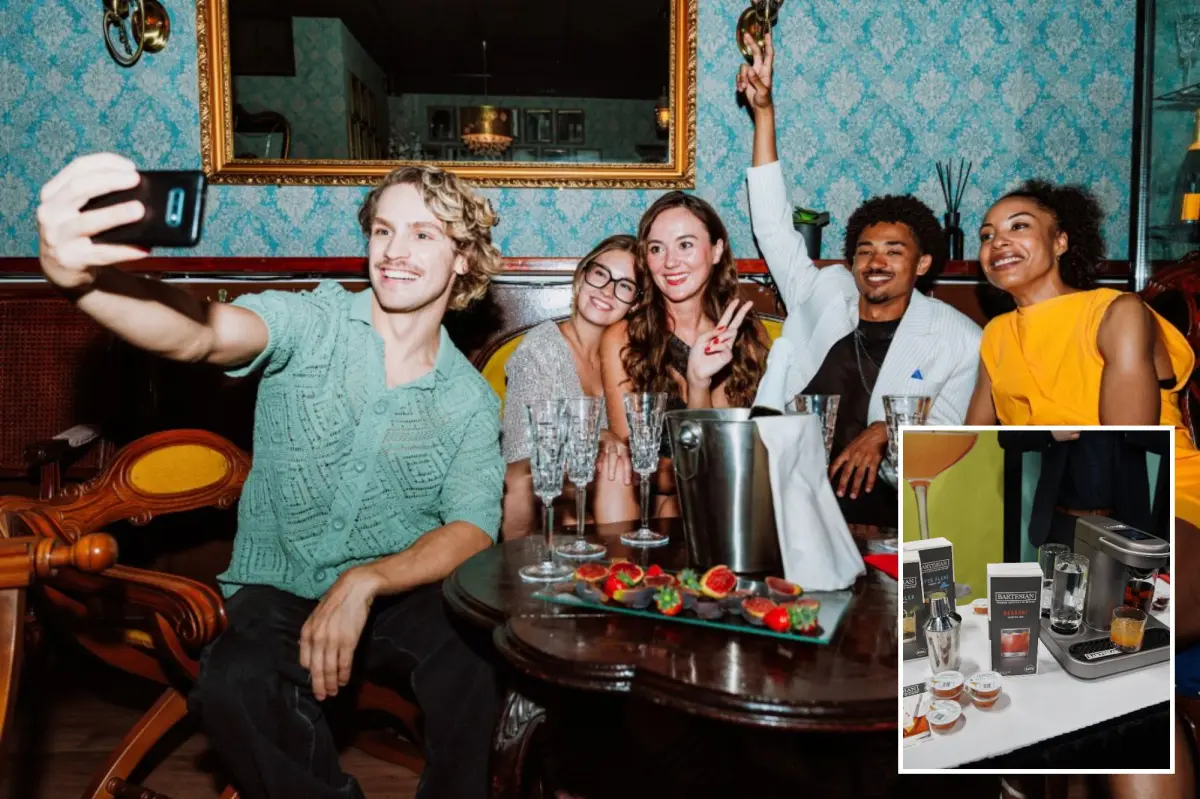
This demand for authenticity and convenience is precisely what inspired Ryan Close, the visionary CEO and founder of Bartesian, to revolutionize the way people enjoy spirits in the comfort of their own homes. Before launching his successful company, Close spent years observing a curious discrepancy in consumer behavior: while people loved to order complex, beautifully garnitured cocktails when dining out at high-end bars and restaurants, they almost exclusively stuck to pouring basic beers or simple glasses of wine when entertaining at home. Even with his own extensive background in professional bartending, Close recognized that the barrier to entry for home mixology was incredibly high. Reclaiming the craft at home required a frustrating treasure hunt for obscure bitters, exotic syrups, and fresh garnishes that would often spoil in the fridge long before they could all be used. Close realized that if a classic, decades-old drink like an Old Fashioned—now one of his company’s most popular product offerings—was too much of a chore for an experienced bartender to construct at home on a casual Tuesday night, then the average consumer stood little to no chance. Driven by the philosophy that high-end flavor should not require extensive labor, he engineered an automated, at-home cocktail machine that replicates the expertise of an elite mixologist. By utilizing capsules packed exclusively with real, premium ingredients—free from artificial colors, chemical preservatives, or synthetic flavorings—and allowing users to introduce their own preferred spirits, Close managed to democratize the luxury cocktail experience.
The rising success of at-home cocktail systems highlights a deeper transformation in how people define the social spaces in their lives, a shift heavily accelerated by the profound collective trauma of the COVID-19 pandemic. A significant portion of older Gen Z consumers reached their legal drinking age of 21 during a time when global lockdowns had completely shuttered the hospitality industry. Denied the traditional rites of passage associated with crowded bars, noisy nightclubs, and bustling restaurants, these young adults were forced to redefine what socializing looked like. In doing so, they learned to view their domestic spaces not merely as quiet retreats from the world, but as vibrant, curated extensions of the public sphere. Hosting intimate gatherings at home became an art form, making the ability to serve a perfect, customized cocktail a central element of modern hospitality. This desire for personalized experiences at home has outlived the pandemic, as younger consumers continue to reject the chaotic, one-size-fits-all nature of commercial nightlife in favor of controlled, highly aesthetic home environments. With platforms like Bartesian, hosts can effortlessly cater to the diverse preferences of their guests by tailoring not only the flavor profiles of their drinks but also the precise alcohol content—ranging from non-alcoholic mocktails to double-strength creations—allowing everyone to feel included in the shared ritual of a toast, regardless of their personal boundaries with alcohol.
This cultural migration back to the home is also being fiercely accelerated by the harsh economic realities of the modern post-pandemic world, where rampant inflation has turned a simple night out into an exorbitant financial luxury. With restaurant and bar menus listing single cocktails at eye-watering prices, consumers are looking closely at their bank accounts and demanding far greater value for their hard-earned dollars. Ryan Close experienced this disconnect firsthand during a trip to New York City, where he paid an astonishing $24 for a single martini, only to find it was missing a standard garnish—blue cheese-stuffed olives. This disappointing experience crystallized the growing consumer sentiment that the public hospitality market is charging premium luxury rates for increasingly subpar, under-delivered experiences. As Close pointed out, it is incredibly difficult to justify spending $75 on a handful of mediocre drinks out on the town when a person can easily replicate the exact same premium, customized beverage at home for a fraction of the cost, usually landing around three or four dollars. This is not to say that Gen Z has given up on public dining and drinking entirely; rather, they have become highly selective, calculating strategists who reserve their dining-out budgets only for establishments that offer truly exceptional service, peerless quality, and unforgettable atmospheric value.
Ultimately, the current revolution reshaping the beverage landscape is not a simple story of decline, but rather a compelling human narrative about the pursuit of agency, wellness, and genuine value. As Gen Z navigates a world filled with digital overload and economic uncertainty, they are choosing to exert control over their bodies and their wallets by actively demanding better. They are showing the world that celebration does not require intoxication, and that true luxury lies in the quality of the ingredients, the care of the preparation, and the intimacy of the shared human experience. By transforming their living rooms into high-end lounges and reducing their overall alcohol intake in favor of premium, mindful indulgence, these modern consumers are forcing a historically rigid industry to innovate in ways that are healthier, more sustainable, and ultimately more respectful of the consumer. As the decades-old dominance of mass-produced alcohol fades into history, it is being replaced by a more conscious, balanced culture of appreciation—one thoughtfully crafted cup, capsule, and conversation at a time.