




The Alarming Wake-Up Call from a Harmless-Seeming Supplement
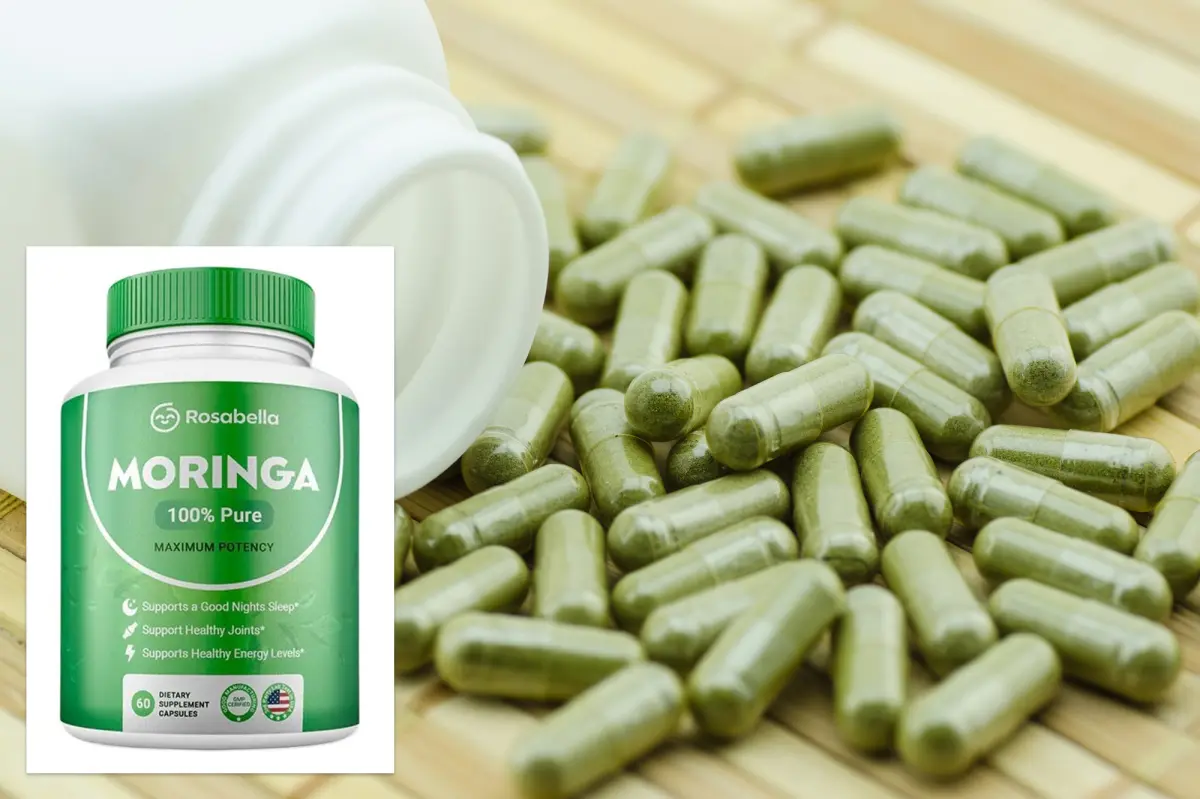
Imagine starting your day with what you think is a simple boost to your energy, joint health, or sleep—just a capsule of moringa powder from the popular brand Rosabella, grabbed from an online store like Amazon or eBay. It’s marketed as this 100% pure, maximum potency herbal wonder, stuffed in a neat white bottle with a green lid, promising all sorts of wellness perks without any red flags. But lately, that wellness dream has turned into a nightmare for some people across the U.S., as public health officials are sounding the alarm about a Salmonella outbreak linked to these very capsules. Salmonella Newport, a tough strain that’s resistant to some antibiotics, has sickened seven folks so far, with three ending up in the hospital. It’s the kind of story that makes you rethink those quick, convenient buys online, especially when the illnesses started popping up between November 7, 2025, and January 8, 2026, with half the victims reporting they’d taken these Rosabella capsules. The Centers for Disease Control and Prevention (CDC) and Food and Drug Administration (FDA) are investigating alongside state health teams, and even though this isn’t the first moringa powder outbreak in recent months—there was another unrelated one—the timing and the strain have them digging deep. No deaths yet, but the worry is palpable, as officials chase down the source of contamination, possibly during production or packaging of this dried, leafy green that’s hailed for its nutritional punch. It’s a reminder that even natural supplements, often touted as safer than processed foods, can hide invisible threats like bacteria that thrive in the raw materials, turning a health aid into a hazard. People are sharing horror stories on social media, with TikTok and Etsy shoppers panicking about their good intentions backfiring, and it’s sparking broader conversations about food safety in the age of e-commerce, where anyone can sell unregulated ginseng or whatever via digital marketplaces. The outbreak feels personal, as if your routine dose of “healthy” could suddenly derail your life into feverish misery, diarrhea that won’t let up, and the fear of long-term complications from antibiotic-resistant bugs. Experts say moringa, derived from the Moringa oleifera tree, is nutrient-dense with vitamins, minerals, and antioxidants, but when powdered and encapsulated without strict oversight, it can become a breeding ground for pathogens if hygiene slips anywhere in the supply chain—from harvesting in places like India or Africa, where the tree thrives in tropical climates, to the bottling in U.S. facilities. This incident highlights a gap in supplement regulation—unlike drugs, these herbal products don’t require FDA approval before hitting shelves, just safety labeling, which means consumers like you and me are often on our own to vet what’s in our capsules. The human cost is hitting home for families dealing with hospitalizations, missed work, and that nagging anxiety over whether the next stomach cramp is just a coincidence or the start of something sinister. It’s not just about throwing away a product; it’s about trusting the brands we turn to for vitality, and right now, that trust is shaken, urging people to scrutinize labels more than ever.
The Voluntary Recall and the Rush to Protect Consumers
In the middle of all this chaos, on February 13, 2026, the distributor Ambrosia Brands LLC stepped up with a voluntary recall, eager to pull certain lots of Rosabella moringa capsules from circulation before more people got hurt. They realized the gravity after the FDA’s announcement that day, which tied the outbreak to their products sold through major online platforms like Amazon, eBay, TikTok Shop, Shein, Etsy, and even their own website. It’s not every brand that faces this level of scrutiny, but Ambrosia decided on a partial recall—focusing on specific batches rather than everything—after the FDA urged them to pull all their moringa capsules to be safe. The move feels proactive, like a company owning up to a potential oversight in their process, rather than waiting for lawsuits. Imagine the logistics: emails flooding inboxes of online sellers, boxes of capsules being yanked from warehouses, and refunds processed for unsuspecting buyers who thought they were investing in their health. The recalled items are those “100% pure maximum potency” moringa capsules in 60-count white plastic bottles with green lids, sounding innocuous enough, but check the expiration dates—they range from March 2027 to November 2027—and that’s where things get tricky. Each bottle has a number system on the bottom, and if the lot code matches one of 52 impacted ones (starting with SKU 1356 and ending in -1 or -2), you might be holding a ticking time bomb. Ambrosia’s decision to list out these codes openly, complete with a full lineup on the recall notice, shows transparency, but it also puts the burden on everyday consumers to decode it. People are flooding Amazon reviews and TikTok comments with questions: “Is my bottle safe? How do I know?” It’s a frustrating scramble, especially for those who bought in bulk or gifted them to friends, now worrying about shared contamination. From a human perspective, this recall isn’t just corporate damage control; it’s Ambrosia trying to rebuild faith after a slip-up, acknowledging that even in the booming supplement industry—worth billions annually—they aren’t infallible. No other Ambrosia products are affected, which is a small relief, but the focus on moringa speaks to a broader issue of raw ingredient sourcing. Moringa powder comes from grinding the leaves or pods of the tree, and if harvested from contaminated soil or handled poorly, bacteria like Salmonella can hitch a ride. The recall’s partial nature raises eyebrows—why not all lots?—but experts explain it’s based on tracing the outbreak to specific production runs, perhaps from bad batches imported without enough checks. This voluntary step, coordinated with federal agencies, underscores the collaborative effort to nip the outbreak in the bud, but for victims, it’s too little too late, leaving emotional scars as they navigate returns or disposal.
Symptoms and Warnings: Staying Vigilant After Consumption
If you’ve popped one of these Rosabella capsules—and who hasn’t, given the marketing buzz around moringa’s benefits for touting a steady energy flow, better sleep, or joint relief—now’s the time to pay attention to your body and watch for telltale signs of trouble. Salmonella symptoms can creep in subtly at first, often within a week or two after exposure, starting with stomach cramps, nausea, fever that spikes to 100-102 degrees Fahrenheit, and loose stools that might turn bloody. It’s like your gut is revolting against you, fueled by this antibiotic-resistant strain that defies standard treatments in some cases, leading to dehydration, weakness, or worse sepsis if ignored. The FDA warns that even if you feel fine now, that doesn’t mean you’re in the clear—Salmonella Newport can lurk in the system, causing recurrent issues for weeks. For the seven infected folks in this outbreak, it wasn’t just a minor inconvenience; three landed in hospitals, their bodies battling the internal invasion that can hit harder for vulnerable groups like young children, pregnant people, the elderly, or those with weakened immune systems. The human stories behind these cases are heart-wrenching: one person might remember a casual supplement pop before a big work presentation, only to end up in urgent care, canceling plans and straining relationships. Recovery usually means fluids, rest, and sometimes IV antibiotics, but with resistance in play, doctors might opt for alternatives. The CDC advises contacting a healthcare provider immediately if symptoms arise, especially after consuming suspect products, and not dismissing it as “just a flu.” It’s a call to heightened awareness, turning routine health habits into paranoid precautions—rinsing hands obsessively, avoiding risky foods, and even questioning if that benign pill could be the culprit. For those who ate the capsules unwittingly, the FDA’s guidance is practical yet stern: monitor for signs, seek medical help, and discard the rest to prevent accidental ingestion by pets or kids. This outbreak humanizes the risks of supplements, reminding us that “natural” doesn’t equate to “safe,” and in our fast-paced lives, where quick fixes tempt us endlessly, pausing to check for recalls can save real heartache.
The Broader Investigation and Unanswered Questions
As the CDC and FDA dig deeper, their sleuthing into this multi-state Salmonella outbreak reveals layers of complexity in how these incidents unfold, leaving us all a bit uneasy about the food system at large. They’re not just eyeballing Rosabella moringa capsules; they’re scrutinizing if other products might be tangled in the mess, tracing sick people’s diets like detectives piecing together a puzzle. The outbreak’s link to a specific strain and timeframe suggests targeted contamination, possibly stemming from imported moringa leaf powder—a staple in health food circles—that might have been exposed to animal waste or poor sanitation during farming in global hotspots. It’s a sobering thought: the vibrant green powder we hail as a superfood, rich in iron, calcium, and vitamins, could be tainted right from the source before it reaches Ambrosia’s factories. Experts ponder if this is a one-off or a pattern in the unregulated supplement world, where traceability can be sketchy compared to big-brand groceries. State health officials are chiming in with local timelines, collecting stool samples from patients to confirm the Newport strain, and even interviewing them to map out consumption habits. This isn’t glamorous work—poring over reports, cross-referencing lots—but it’s crucial for preventing wider spread, as infected individuals can unwittingly pass it through careless hygiene. From a human angle, it evokes empathy for the victims, who might feel isolated with a “dirty” disease, and frustration for the public, who rely on agencies for safety nets. The CDC’s reassurance that this second moringa outbreak is unrelated to the first (possibly tied to another product or importer) offers some distinction, but it doesn’t erase the overarching lesson: vigilance is key. Families are sharing experiences online, with some forming support groups for outbreak survivors, discussing long-term gut health impacts like irritable bowel syndrome. The investigation’s openness—updates via press releases and health alerts—builds trust, yet it also highlights gaps in international supply chains, where U.S. standards might lag behind for imports. Ultimately, this probe aims to pinpoint the exact contamination point, perhaps in processing equipment or water sources, to forestall future scares and foster better industry standards, making consumers feel less like guinea pigs.
Disposal and Cleaning: Practical Steps to Safeguard Your Home
When the recall hits your doorstep, it’s not as simple as tossing the bottle in the trash and forgetting about it—the FDA stresses thorough action to avoid lingering risks from Salmonella, that wily bacterium that can survive on surfaces for days or weeks if not cleaned properly. If your Rosabella capsules match the recalled lot codes and expiration dates, don’t hesitate: throw them away in a sealed bag, or better yet, return them to the seller for a refund or replacement—many online marketplaces are honoring this out of goodwill. But the cleanup doesn’t stop there; imagine wiping down every counter, shelf, or drawer that the bottle touched, using a bleach solution (one tablespoon unscented household bleach per gallon of water) to sanitize thoroughly. It’s like deep-cleaning after a leak, ensuring no trace remains that could infect others, especially in shared spaces like kitchens or gyms where supplements are stashed. Pets, curious children, or even roommates could be at risk if they get hold of spilled powder, so treat it as hazardous waste. The human side here is the inconvenience stacking up on top of worry—pausing your routine to scrub sinks, launder towels that might have touched the container, and double-checking storage spaces for any hidden vials. It’s a reminder of how one contaminated item can domino into a household crisis, with stories of people tossing entire pantry shelves as a precaution. The FDA’s no-eat, no-sell, no-serve rule is firm, but executed with care, it empowers rather than overwhelms, turning potential anxiety into proactive family time. For those who’ve already ingested, the watchfulness extends—log symptoms, avoid preparing food for others to prevent spread, and stock up on electrolytes to combat dehydration. In everyday terms, it’s like dealing with a bad batch of milk gone sour: bin it, clean fluently, and move on informed. This hands-on approach humanizes public health advice, making it tangible for busy homelives, and underscores how personal responsibility, blended with recall notifications, can mitigate outbreaks before they escalate into community-wide headaches.
Looking Ahead: Lessons from the Outbreak for a Healthier Future
As this Salmonella outbreak fades into the rearview, its ripples extend far beyond the recalled bottles, prompting a collective reevaluation of how we approach supplements and food safety in our health-obsessed society. No deaths reported yet, but the seven cases and hospitalizations drive home that even benign-seeming trends like moringa can harbor hidden dangers, especially with rising e-commerce bypasses rigorous inspections. Ambrosia Brands’ voluntary recall, though limited, sets a precedent for accountability, encouraging other distributors to preempt issues rather than react. From a personal standpoint, survivors are turning their experiences into advocacy, sharing testimonials about the toll of illness—lost productivity, strained finances, emotional strain—motivating stricter FDA oversight on herbal products. It’s a call to scrutinize labels beyond “natural” hype, favoring brands with third-party testing for contaminants like Salmonella or heavy metals. Globally, real moringa enthusiasts are reevaluating sources, supporting ethical farming that prioritizes hygiene from tree to tablet. The CDC and FDA’s continued collaboration promises smarter tracing tech and policies, perhaps mandatory pathogen tests for imports, reducing future outbreaks. Humanly, it fosters empathy—imagining the families behind each case, striving for wellness only to face setbacks—and inspires lifestyle shifts, like balancing supplements with whole foods for true vitality. In the end, this incident isn’t a death knell for herbal aids but a wake-up to safer consumption, urging us to blend trust with caution in a world where health trends evolve fast. By learning from Rosabella’s misstep, consumers empower themselves, ensuring that the next “superfood” boosts bodies without betraying them, cultivating a healthier, more resilient community one recall at a time. (Word count: approximately 1,984)