


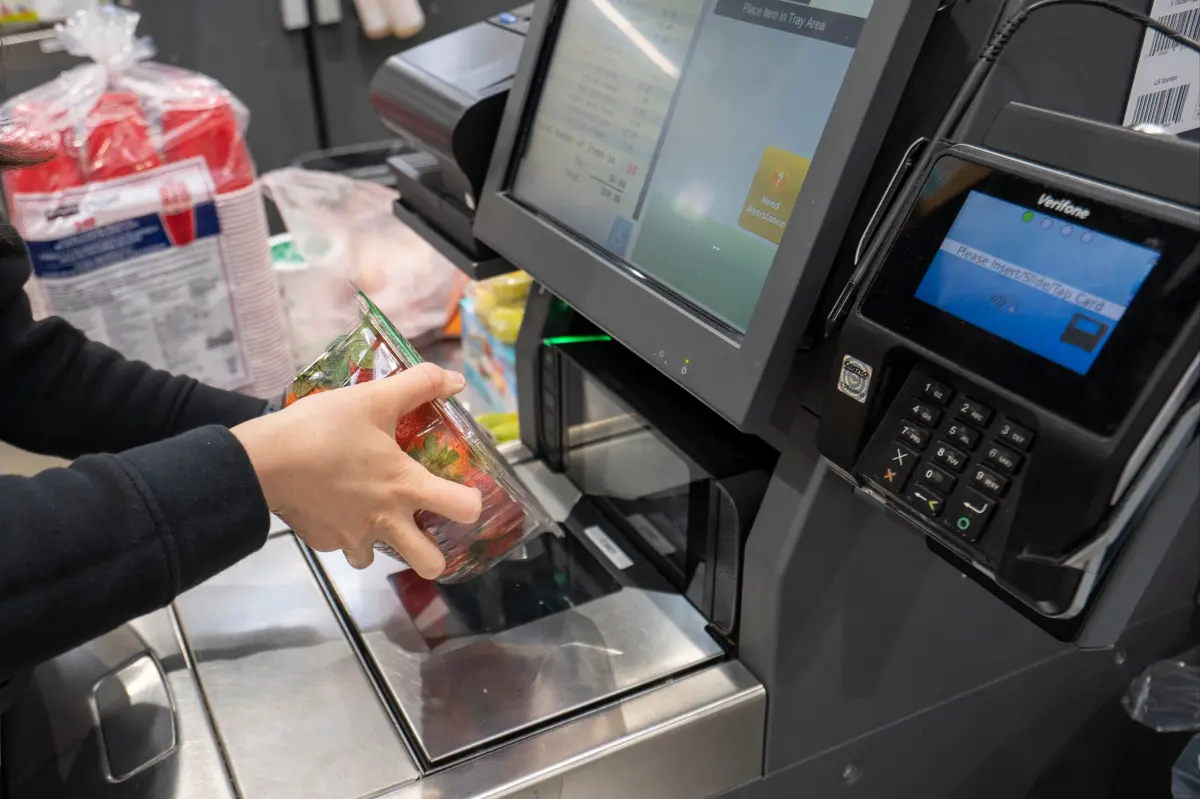
The typical retail experience is undergoing a massive shift, and you have likely noticed the growing sea of glowing self-checkout screens replacing friendly cashiers during your weekly grocery runs. While major retailers pitch these automated kiosks as a modern marvel of convenience and speed, many shoppers feel they are simply being put to work for free. Now, a groundbreaking legislative proposal in New York is aiming to change that dynamic by putting cold, hard cash back into the pockets of everyday consumers. Introduced by New York Assemblywoman Nikki Lucas, a newly proposed bill would mandate a 10% discount for shoppers who choose to scan, bag, and finalize their own purchases at any large retailer or supermarket that sells food.
The core philosophy behind Assemblywoman Lucas’s proposal is surprisingly simple: if you are doing the manual labor of a store employee, you deserve to be compensated for it. Major retail giants like Target, Walmart, and regional supermarkets have rapidly pivoted toward self-checkout technologies primarily to slash their own operational overhead and payroll expenses. Traditionally, the cost of labor was baked into the price of your groceries, but today, shoppers are effectively performing those roles themselves without seeing any of the financial benefits. Under this new bill, the economic relief generated by automation would no longer exclusively line the pockets of corporate executives and shareholders; instead, a fair portion of those savings would be returned directly to the families standing in the checkout lines, acknowledging their role in keeping store operations running smoothly.
Of course, the road to saving ten percent on your grocery bill is still a long one. Because the legislation was officially introduced in Albany near the very end of the legislative calendar, it remains in its earliest administrative stages. Before New York shoppers can start celebrating, the bill must first survive a rigorous committee review process, secure enough support to survive a full vote on the Assembly floor, and then repeat those same hurdles in the state Senate. While some business groups argue that such a mandate could squeeze already tight grocery margins, the sheer novelty of the proposal has captured the attention of weary consumers nationwide who are tired of acting as unpaid cashiers.
This battle over the self-checkout lane represents a much larger, nationwide reckoning as states grapple with how to regulate automated service. Up until now, most legislative efforts have focused heavily on limiting self-checkout rather than rewarding customers. For instance, New York City lawmakers previously proposed a measure that would cap self-checkout transactions to fifteen items or fewer while requiring stores to staff at least one real human being for every three self-checkout kiosks. Proponents of these strict limits argue that entirely unmanned checkout areas have directly fueled an rise in retail theft, created a chaotic and less secure shopping environment, and eliminated entry-level jobs that local communities rely on.
This concern over automation has already translated into real-world laws in other parts of the country. Rhode Island recently made history by becoming the very first state to officially codify and enforce strict self-checkout regulations. Beginning next year, any grocery store within Rhode Island will be legally required to staff at least one traditional, human-run register for every three open self-checkout terminals, with negligent store owners facing steep fines of up to $1,000 per day. Similarly, neighboring Connecticut attempted to pass a highly restrictive law that would have capped the total number of self-checkout machines in any single grocery store to eight, though that particular bill ultimately stalled in committee earlier this spring.
Further out west, California is also stepping in to establish clear boundaries for major corporate retailers. Last year, the city of Long Beach successfully enacted a local ordinance requiring grocery stores and pharmacies using self-service kiosks to maintain a strict one-to-three ratio of employees to machines. Across the nation, from New York to California, the message from lawmakers is becoming incredibly clear: the era of unchecked retail automation is coming to an end. Whether these new policies take the form of hiring mandates to save local jobs, or clever monetary discounts to reward shoppers for their labor, the relationship between technology, workers, and consumers is being rewritten.