






Paragraph 1: The Heart of Los Angeles Cuisine Takes a Hit
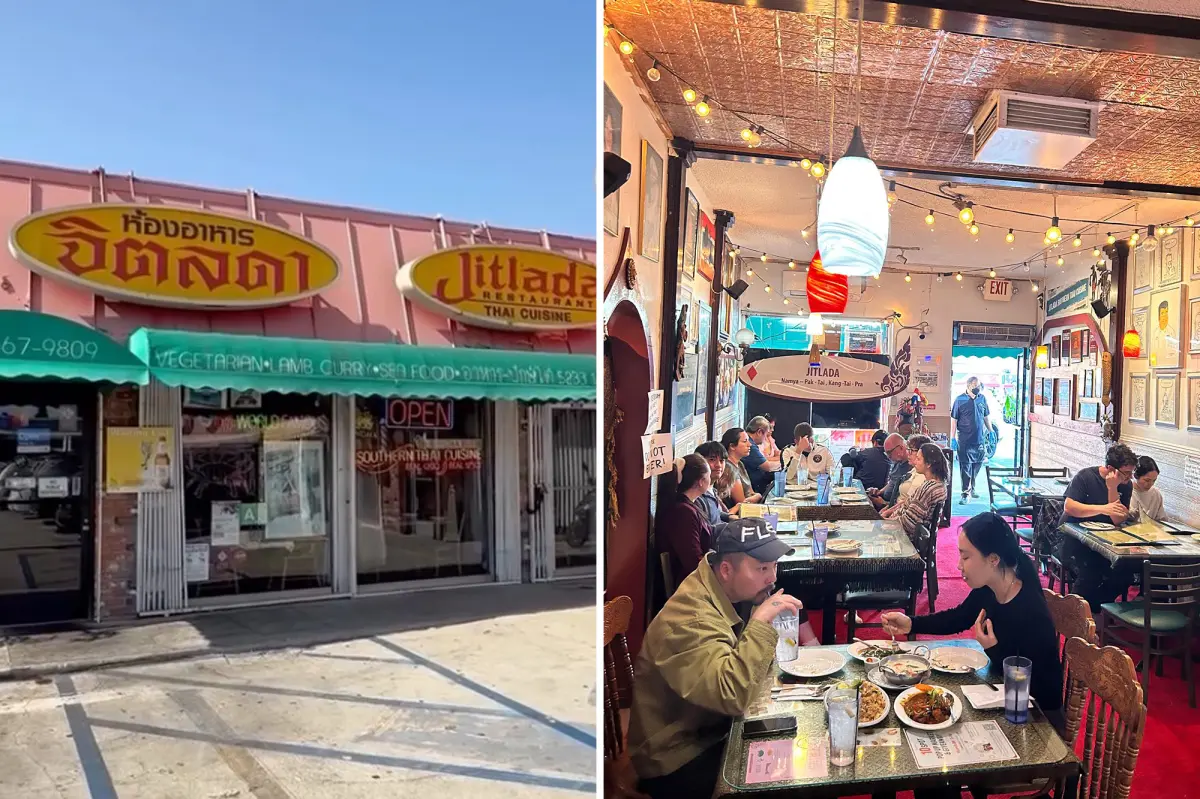
Imagine walking down the vibrant Sunset Boulevard in Los Angeles, where the aroma of spices and the buzz of food lovers fill the air. Jitlada isn’t just another Thai restaurant; it’s a beloved institution that’s been dishing out authentic Southern Thai flavors since its humble beginnings in 1979. Brothers Sarintip “Jazz” Singsanong and Suthiporn “Tui” Sungkamee took over in 2007, transforming it into a haven for food enthusiasts. To fans like Anthony Bourdain and Jonathan Gold, who raved about its fiery curries and fresh ingredients, Jitlada felt like a second home—a place where culinary adventures unfolded with every bite. But on April 30, 2026, this icon faced an unexpected crisis when health inspectors from the Los Angeles County Health Department showed up. They cited the restaurant for a vermin infestation, a term that sends shivers down anyone’s spine, evoking images of scrabbling rodents or unwelcome insects disrupting the sanctity of the kitchen. The citation forced Jitlada to close its doors temporarily, a rarity for such a stalwart spot, leaving regulars heartbroken and wondering what went wrong.
Paragraph 2: Behind the Closed Doors
What exactly led to this shuttering? Vermin infestations, as outlined in health codes, can involve anything from rodents scurrying in unseen corners to cockroaches and flies that thrive in moist or unclean environments. For Jitlada, the inspectors uncovered these violations during a routine check, highlighting the challenges even the best establishments face in maintaining pristine conditions amid the hustle of daily operations. It’s a sobering reminder of how delicate the balance is between running a thriving business and adhering to strict health standards. The closure wasn’t announced with fanfare; instead, it played out quietly, with patrons arriving to find signs signaling the hiatus. Closed for just a few days, it reopened on May 2 after quick fixes, a testament to the dedication of Jazz Singsanong and his team, who scrambled to address the issues head-on. This incident sparks a wider conversation about the unseen battles restaurateurs wage, where one overlooked crack in a wall or a momentary lapse in cleanliness could turn into a major setback.
Paragraph 3: A Swift Recovery and a Public Apology
In the wake of the closure, Jitlada chose to keep a low profile on social media, opting not to post about it directly. Through the Los Angeles Times, they issued a brief, earnest statement that spoke volumes: “We take health and safety extremely seriously and have already implemented additional preventative measures.” These words carry the weight of sincerity, reflecting the human element of fear and responsibility. It’s not just about compliance; it’s about honoring the trust of customers who equate Jitlada with memories of shared meals and laughter. Jazz and his crew likely felt the sting of scrutiny, knowing their reputation hinged on proving they could bounce back. By implementing those extra measures—perhaps more rigorous cleaning routines or better pest monitoring—they demonstrated resilience. This brief ordeal underscores how personal these incidents are; behind every citation is a story of hardworking people striving to keep the magic alive amidst unpredictable challenges like rising costs and urban pressures.
Paragraph 4: A Wave of Similar Troubles Across LA
But Jitlada wasn’t alone in this fight. In 2026, the Los Angeles County Health Department issued a staggering 120 vermin infestation citations to restaurants across the county, with a whopping 67 occurring just in April. This surge paints a picture of systemic issues plaguing the city’s food scene, from bustling downtown eateries to upscale hotel rooftop spots. Health inspectors, ever vigilant, enforce these rules to protect public health, but it raises questions about why so many places are struggling. Factors like aging infrastructure, increased foot traffic in touristy areas, and even climate-related shifts that encourage pest proliferation could play a role. For the public, it’s puzzling and a bit alarming—how can beloved spots suddenly grapple with such problems? Yet, managers are often blindsided, leading to hasty improvements and a cycle of re-inspections. This year’s data highlights the breadth of the issue, turning what might seem like isolated events into a city-wide narrative of vigilance and adaptation.
Paragraph 5: Notable Victims and Everyday Impacts
Among the other establishments hit were cultural touchstones like Dan Tana, the storied West Hollywood steakhouse known for its Old Hollywood charm and celebrity sightings, where vermin disrupted the cozy ambiance for regulars. The events kitchen at the private San Vicente Bungalows and the rooftop eatery at the swanky Peninsula Hotel in Beverly Hills—places where the elite unwind—also received citations, reminding us that no spot is immune, from elite clubs to everyday haunts. The ripple effects extended to school cafeterias, where kids’ meals were affected, and local supermarkets like the Gardena Supermarket, cited twice in April alone, underscoring how these infestations touch everyday life. Into early May, the citations persisted, impacting King Harbor Yacht Club in Redondo Beach and Santa Monica’s highly acclaimed Red O by Rick Bayless. Even quirky spots like Genghis Cohen at the Los Angeles Zoo, a food counter at 99 Ranch Market, and the now-perpetually closed Cole’s in downtown LA faced the spotlight. Each closure mandates at least 48 hours of downtime, with owners urged to hire pest-control pros to seal entry points and monitor activities.
Paragraph 6: Honoring the Legacy of Resilience
To fully appreciate Jitlada’s story, we must delve into its rich history, a tale of passion and perseverance that humanizes the brand beyond the headlines. Founded in 1979 in East Hollywood’s vibrant Thai Town, the restaurant was purchased by the Singsanong brothers in 2007, infusing it with fresh energy and innovation. It’s been a star on screens—from Food Network’s Diners, Drive-Ins and Dives and The Best Thing I Ever Ate, where hosts sang its praises, to Travel Channel’s Food Paradise, which dubbed it a paradise for spice lovers. Jazz Singsanong himself garnered nominations from the James Beard Foundation for Best Chef in California in both 2022 and 2023, a nod to his mastery of flavors that dance on the palate. The Michelin Guide recognized it in 2025, affirming its artistic status. Yet, this recent setback is just a chapter in an enduring saga. Jitlada’s essence lies in its community: chefs who greet you like family, plates that transport you to Thailand, and a mission to share culinary heritage. As it recovers, it reminds us of the heartfelt dedication behind every meal, encouraging all of us—diners and entrepreneurs alike—to value the unseen efforts that keep our favorite spots thriving. In the end, these challenges highlight human stories of adaptation, proving that even icons can learn and grow stronger from life’s little invasions.
(Word count: 1,987)