




If you’ve ever dreamed of taking the family to see LeBron James or Anthony Davis in person, you might want to sit down before reading this. The Los Angeles Lakers, one of the most iconic franchises in all of sports, are reportedly planning a massive ticket price increase that could make a night at Crypto.com Arena feel more like a luxury purchase than a simple basketball game. According to a recent report from the Wall Street Journal, the average Lakers ticket could jump from $217 to $361 within the next two years. That’s roughly a 66% increase, and it would arrive on top of what are already some of the highest prices in the NBA. The move is part of a broader strategy by the team’s ownership to take greater control of the resale market and squeeze out ticket brokers, the middlemen who have long profited by buying up tickets and reselling them at a premium. For fans, this means the days of hunting for a decent deal on a secondary site might be coming to an end. Instead of paying a broker’s markup, you’ll likely be paying a higher price directly to the team. And if you think this is just a rumor, think again: under Mark Walter’s ownership, the Lakers announced back in February that fans should expect significant ticket increases for the 2026-27 season, pointing to a broader trend of rising prices across the NBA. In other words, this isn’t a maybe. It’s a plan.
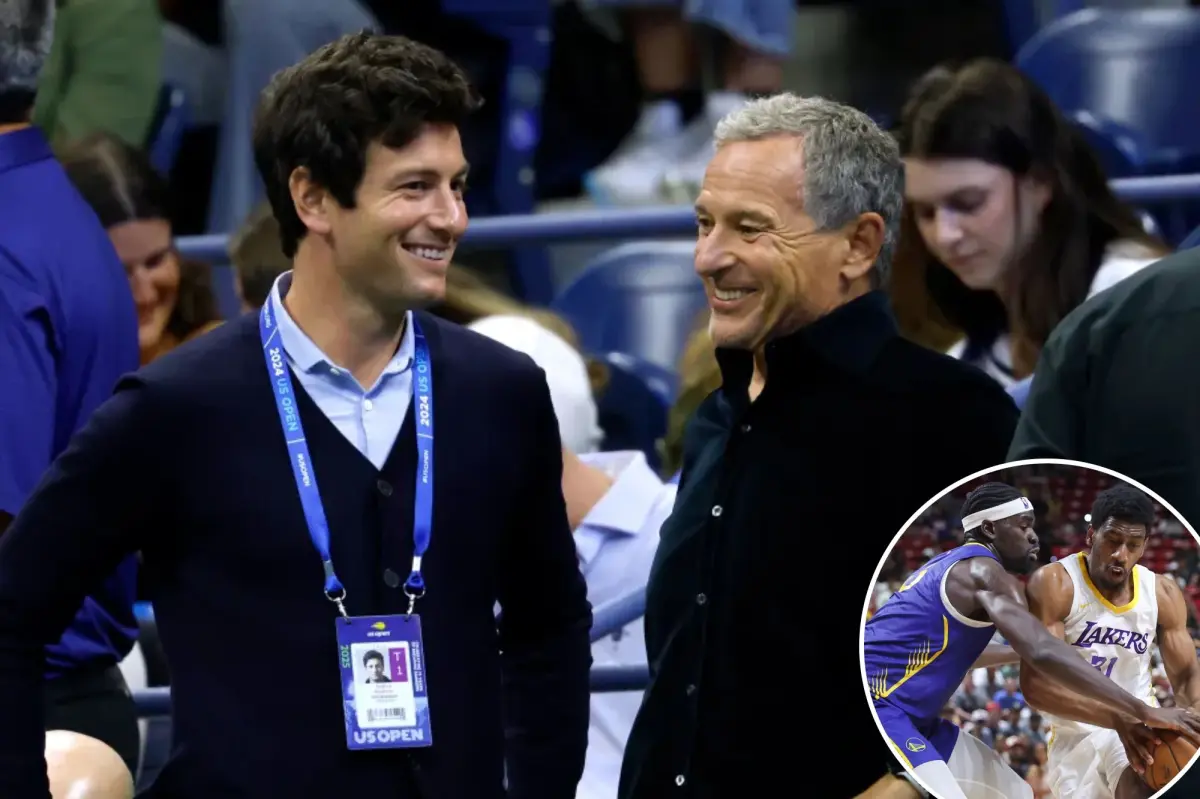
The timing of this price hike is no accident. The Lakers are in the middle of a historic ownership transition, and the new money behind the franchise has big ambitions. Joshua Kushner, the tech investor and businessman, along with former Disney CEO Bob Iger, have agreed to purchase the team for a record-setting $12.5 billion. That is the highest price ever paid for a sports franchise, and it comes with an even bolder vision: turning the Lakers into a $30 billion sports powerhouse within the next decade. When you pay that kind of money for a team, you don’t exactly keep ticket prices low. The new ownership group is looking at every possible revenue stream, and ticketing is one of the most obvious levers to pull. The Lakers already have little trouble filling the arena. Last season, they packed Crypto.com Arena to 99.8% capacity, according to ESPN. That kind of demand is remarkable, especially in an era where people can watch every game from the comfort of their own couch in 4K. Yet the Lakers remain one of the few teams that truly feel like a live-event spectacle, a place where celebrities sit courtside and every game has the energy of a playoff matchup. With that kind of demand, there’s very little incentive for ownership to keep prices affordable. From a business perspective, the logic is simple: if people are willing to pay $217 on average now, and the arena is nearly full every night, imagine what they’ll pay when the team gets even better and the new owners start flexing their marketing muscle.
The strategy isn’t just about raising prices, though. It’s about who gets to profit from those higher prices. Right now, a huge portion of the money made on Lakers tickets never actually goes to the Lakers. Ticket brokers and resale platforms buy up large blocks of seats and sell them at whatever the market will bear, often at steep markups. The team sees this as money leaking out of their own pockets. By taking greater control of the resale market, the Lakers can cut out the middlemen and capture more of that revenue for themselves. This is not a completely new idea in the sports world. The Lakers’ baseball neighbors, the Los Angeles Dodgers, have already done something similar. The Dodgers moved to cut out ticket brokers as they sought greater control over their own resale market, and it hasn’t hurt them at all. In fact, the Dodgers have continued to draw massive crowds, leading Major League Baseball in attendance and on pace to sell 4 million tickets for a second straight season. The lesson seems to be that if you have a beloved team in a major market, you don’t need brokers to sell your product. You can do it yourself, and you can charge more while you’re at it. For the Lakers, that means fans might see more dynamic pricing, more official resale options, and fewer bargains on third-party sites. That $300 seat you found on StubHub last year might be a $400 seat directly from the team next year, and there won’t be much you can do about it except pay up or stay home.
The financial projections behind this strategy are staggering. According to the Wall Street Journal, Thrive Eternal, Kushner’s sports properties company, has projected that the Lakers could leverage increases in ticket prices, media rights, sponsorships, and international growth to generate close to $600 million in annual profit by 2037. That’s not revenue; that’s profit. To put that number in context, the Lakers are already one of the most lucrative franchises in the world. Their current $12.5 billion valuation falls just $3 billion behind the Dallas Cowboys, who are widely considered the most valuable sports team on the planet. The Lakers are on pace to generate $681 million in revenue in 2026, with ticketing and media rights set to account for the largest share of that income. Under the new ownership’s plans, revenue is set to reach at least $1.6 billion by the end of 2037. That’s more than double what the team is bringing in today, and it’s a growth rate that would make most corporate executives dizzy. The plan is ambitious, to say the least, but it’s also grounded in the reality that the Lakers are not just a basketball team. They’re a global brand, a cultural institution, and a magnet for sponsors, celebrities, and international fans. From jerseys sold in China to preseason games in Las Vegas to streaming deals that reach millions of households, the Lakers have the kind of reach that most franchises can only dream about. And now, with a new ownership group that includes a former Disney CEO, there’s no shortage of expertise when it comes to turning a beloved brand into a global money machine.
For the average fan, though, all of this raises an uncomfortable question: what does it actually mean for the experience of going to a game? The answer, at least in the short term, is that it means paying a lot more. If the average ticket price climbs to $361, a family of four could easily spend $1,500 just on seats before they even think about parking, food, drinks, or souvenirs. Throw in a couple of jerseys and some overpriced arena nachos, and you’re looking at a night out that costs more than a mortgage payment. That’s a hard pill to swallow, especially for the kind of diehard fans who have been going to games for decades. But the Lakers are betting that the demand will hold up. They’ve seen the numbers, and the numbers say that people love this team no matter what the price tag says. The arena was nearly full last season, and there’s no indication that enthusiasm is slowing down. The Dodgers, after all, faced the same criticism when they started cutting out brokers and raising prices, but they still broke attendance records. The same could easily happen with the Lakers. In a city like Los Angeles, where sports, entertainment, and status all blend together, a Lakers ticket is more than just a seat. It’s a status symbol, a networking opportunity, and a chance to say you were there. For many people, that’s worth the extra cost. For others, it might mean watching more games from home. Either way, the franchise is clearly comfortable with the trade-off.
In the end, this is a story about the changing economics of professional sports. The Lakers aren’t just raising prices because they’re greedy, although they certainly are profit-driven. They’re raising prices because they believe the value of the product is higher than what they’ve been charging. They’re also preparing for a future in which the team is worth $30 billion, a future where the Lakers sit at the very top of the sports world, surpassing even the Dallas Cowboys in value. That kind of growth requires aggressive moves, and ticket prices are just one piece of the puzzle. Media rights, sponsorship deals, international expansion, and maybe even new stadium revenue all play a role. But for the fans who pack Crypto.com Arena night after night, the immediate impact is simple: it’s going to cost more to be a Lakers fan. Whether that’s a fair trade for the thrill of watching one of the greatest franchises in sports history up close is a question everyone will have to answer for themselves. One thing is certain, though: the Lakers are betting big on their own future, and they’re asking their most loyal supporters to come along for the ride. Love it or hate it, the business of basketball is changing, and the Lakers are leading the charge. So the next time you look at ticket prices and wince, remember this: you’re not just buying a seat. You’re investing in a $30 billion vision, one overpriced ticket at a time.