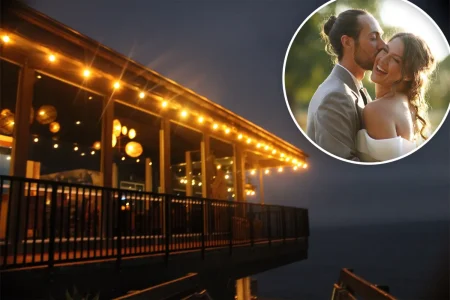



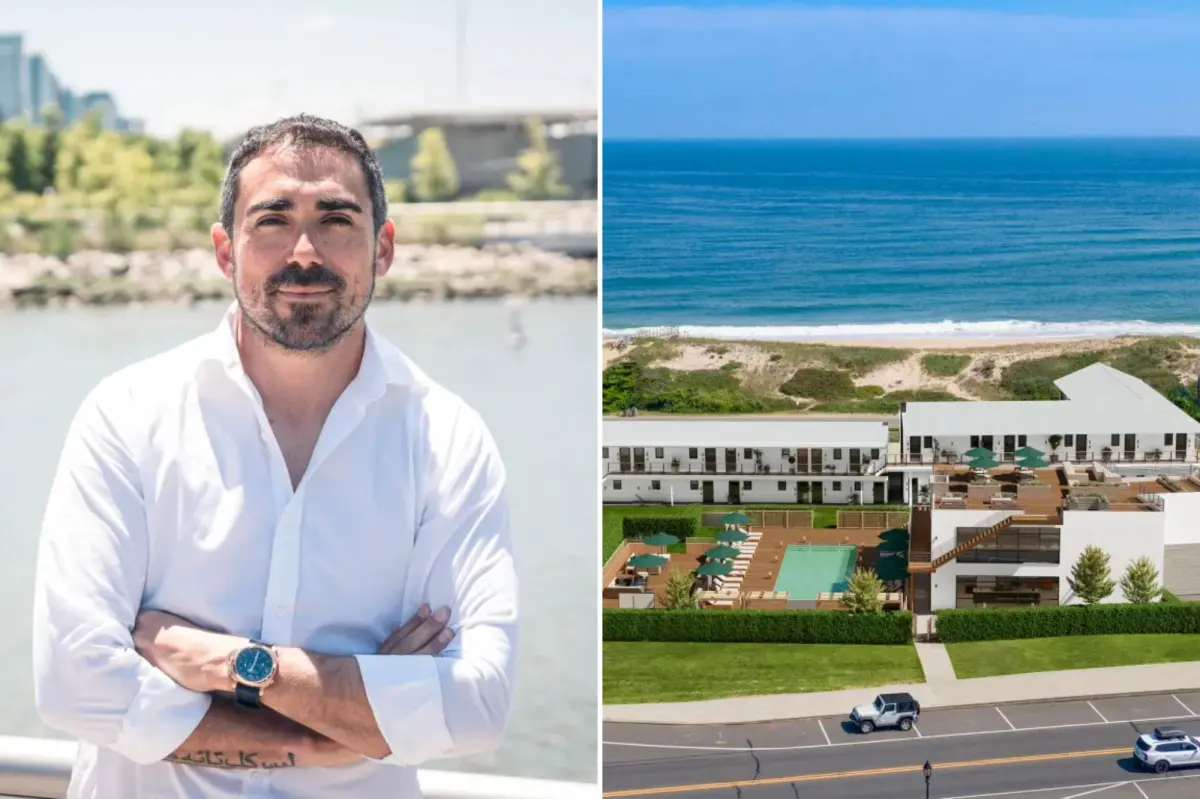
The salt-flecked, wind-swept tip of Long Island, affectionately known as the “End of the World,” has long been a sanctuary for those seeking a slower, more grounded pace of life. Historically a quiet enclave of rugged fishermen, bohemian artists, and families seeking refuge from the urban grind, Montauk is currently wrestling with its own identity as it transitions into one of the country’s most exclusive summer playgrounds. At the heart of this modern-day cultural friction is Marley Dominguez, a prominent California hotelier who recently found himself navigating a perfect storm of local apprehension, regulatory scrutiny, and competitive sabotage. Dominguez, who already owns and operates the upscale Offshore Montauk hotel, set his sights on establishing “Este,” a gorgeous two-story restaurant featuring an open-air rooftop venue just fifty feet away from his lodging property. What began as a beautifully designed blueprint for a seaside dining experience, however, quickly morphed into a public relations battleground, highlighting the deep-seated fears of a local community that worries its peaceful coastal home is being systematically dismantled by high-profile hospitality developments.
The spark that ignited this community-wide firestorm was a classic Hamptons administrative discrepancy that left local residents feeling misled and defensive. When the East Hampton Town Planning Board originally green-lit the construction of Este on Montauk Highway, the project was officially presented as a modest, thirty-nine-seat casual restaurant with twelve dedicated parking spaces. Yet, anxiety quickly spread through the tight-knit community when a series of confidential documents—including private investor pitches, building plans, and a pending liquor license application—were leaked to the local press. These documents painted a vastly different, more ambitious picture of the venue, suggesting that the space was being engineered to accommodate a massive public assembly of up to four hundred and fifty people, complete with lounge areas, fire pits, and a sleek rooftop design. To worried residents like Laura Michaels, who voiced her concerns in a popular local online forum, the math simply did not add up; the community felt that developers were pulling a classic “bait-and-switch,” utilizing a low-capacity restaurant permit as a Trojan horse to establish a noisy, high-revenue, multi-level nightlife venue that would overrun the neighborhood’s strained infrastructure and lack of parking.
In an exclusive effort to clear his name and set the record straight, Dominguez painted a far more complex picture of corporate rivalry and administrative misunderstanding. He vehemently argued that the controversy was not a organic grassroots rebellion, but rather a calculated smear campaign orchestrated by a major investor in a competing local venue who had falsely posed as a potential backer to secure and leak his proprietary business documents. Addressing the alarming “four hundred and fifty person” figure, Dominguez explained that in the hospitality industry, structural occupancy and physical table-seating limits are entirely different metrics governed by different building codes, pointing to legendary local landmarks like Gurney’s and the Montauk Yacht Club as establishments where actual customer capacity naturally dwarfs formal dining seats. He insisted that the leaked investor packet was merely a conceptual draft designed to illustrate potential layouts for lucrative, highly regulated private events like weddings, rather than a blueprint for a wild, late-night party hub. The real vision for Este, according to Dominguez, is a tranquil community anchor: a sunlit co-working sanctuary on the ground floor during the day, transitioning into an intimate, members-only dining space upstairs that closes its doors shortly after sundown to protect the peace and quiet of his own hotel guests next door.
The intense standoff at Este is far from an isolated incident; it represents the latest chapter in a long-running, fiercely contested struggle over the commercialization of East Hampton. Longtime residents vividly recall the explosive, bitter battle that unfolded when hospitality mogul Scott Sartiano attempted to export his high-end Manhattan private club brand, Sartiano’s, to the historic Hedges Inn. That short-lived endeavor ignited a localized civil war, resulting in neighborhood watch groups, administrative warning letters urging citizens to report noise violations, and an eventual withdrawal of the business after just a single summer season. For many locals, the memories of the rowdy, chaotic transformation of establishments like the Surf Lodge over the past fifteen years remain fresh, driving their fierce skepticism of any new venue that promises a vibe focused on music, DJs, and rooftop gatherings. These historical wounds have made Montauk residents highly vigilant, turning local planning board meetings into high-stakes arenas where community members passionately defend their quiet suburban streets, starry night skies, and natural seaside heritage against the encroachment of city-style nightlife.
Faced with this heavy wave of skepticism, the East Hampton Town Planning Board intervened to mediate the dispute, seeking a compromise that would respect the developer’s property rights while offering ironclad protections to the anxious public. Town Planning Director Tina Vavilis LaGarenne and public information officer Patrick Derenze clarified that the municipal authorities are actively working to draft strict, legally binding modifications to the site’s operating permits to ensure that Este can only ever function as a traditional dining establishment. In a sincere gesture of goodwill and a bid to rebuild trust with his neighbors, Dominguez proactively volunteered to scale back the physical footprint of his project, reducing the overall square footage of the second-story venue and rooftop deck to guarantee a more intimate, low-density atmosphere. Rather than packing consumers shoulder-to-shoulder in pursuit of maximum profit, Dominguez chose to redesign the spaces to ensure that the layout remains spacious and calm, explicitly signaling his desire to move away from the high-capacity nightlife model that the community so deeply fears.
As the summer season approaches and construction continues, the fate of Este remains a compelling case study in the delicate art of coastal gentrification and community compromise. Dominguez remains hopeful that once the doors open, locals will see that his intentions were pure, expressing a nostalgic desire to recreate the relaxed, familiar, and unpretentious Montauk of fifteen years ago—a place where familiar neighborhood faces could gather to enjoy the sunset without the overwhelming premium crowds. Ultimately, the resolution of this conflict will depend on whether the developer can live up to his promise of being a quiet, conscientious neighbor, and whether the community can find room to welcome thoughtful evolution. This ongoing saga serves as a powerful reminder that the true value of a place like Montauk lies not in its potential for commercial exploitation, but in the fragile preservation of its peace, its natural beauty, and the shared trust between the citizens who call it home and the entrepreneurs who wish to share in its magic.