



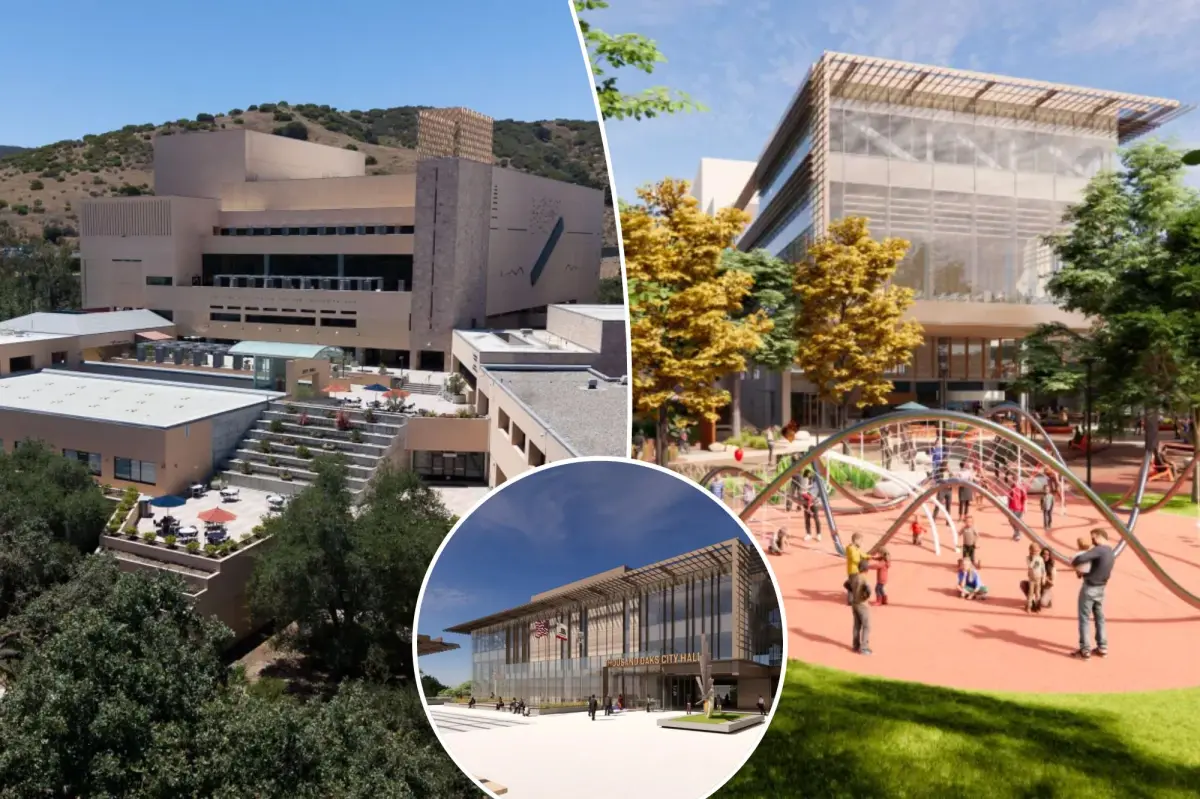
For generations, the sleepy, picturesque community of Thousand Oaks, California, has existed as a peaceful sanctuary insulated from the chaotic, fast-paced intensity of the nearby Los Angeles metropolis. Tucked away within the scenic, rolling landscapes of the Conejo Valley, this suburban haven has long prided itself on its quiet, family-friendly atmosphere, where the scent of wild sage drifts through the air and the golden afternoon sun paints the surrounding hillsides. It is a place where residents intentionally chose to trade the dense, concrete-heavy environment of high-rise city living for spacious backyards, safe neighborhoods, and a slower, more deliberate pace of life. Yet, this long-cherished quietude is now at the center of a monumental debate that has struck at the very heart of the city’s identity. Local officials are aggressively championing a transformative, sweeping blueprint designed to fundamentally alter the city’s landscape by bulldozing significant portions of the quiet, underutilized Civic Arts Plaza. In its place, planners envision the creation of a bustling, high-density, pedestrian-friendly downtown district that would introduce a level of urban energy never before seen in this suburban retreat, marking a historic and highly controversial evolution in how the community views itself and its future.
At the core of this ambitious, multi-million-dollar architectural vision is a desire to completely reinvent 5.33 acres of prime municipal land into a modern, energetic core that acts as a magnetic hub for both locals and visitors alike. According to the highly detailed master plans, the redesign would feature a sophisticated 142-room, seven-story boutique hotel designed to attract tourism and business travelers, flanked by soaring, mixed-use apartment complexes rising up to seven stories tall. At street level, the development would morph into a vibrant, walkable “Main Street” lined with trendy retail boutiques, artisanal coffee shops, and diverse restaurants offering outdoor dining under the warm California sky. A fully revamped, modernized City Hall would integrate seamlessly with a brand-new, state-of-the-art outdoor amphitheater designed to host live concerts and cultural gatherings. Recognizing the diverse needs of a modern population, the design also thoughtfully integrates affordable housing units, a sprawling public park plaza, dedicated children’s play areas, and an interactive splash pad where families can gather to escape the summer heat. This proposed space aims to shift the Civic Arts Plaza from a sterile, transactional municipal complex where people merely pay utility bills into a warm, dynamic center of daily social life.
However, the path to constructing this glittering urban oasis requires a physical sacrifice that has deeply wounded the ecological sensitivities of this nature-loving community. To lay the physical foundations for this new, modern downtown, developers are seeking official permission to cut down 53 highly mature, deeply rooted local trees. Alarmingly for residents, this targeted list includes several of the city’s highly protected, signature oak trees—the very botanical giants that gave Thousand Oaks its name and have served as silent, majestic sentinels of the valley’s history for centuries. For many who live here, these ancient oaks are not merely landscaping elements or obstacles to be cleared for progress; they are sacred symbols of the city’s commitment to environmental preservation and its unique history. The irony of destroying the very natural monuments that define the town’s identity in order to build an artificial, trendy urban center is a point of intense grief for local conservationists, highlighting a painful tension between ecological preservation and modernist civic expansion.
This architectural clash has ignited a fiery, emotional debate that has spilled over from local government meetings into the digital sphere, exposing a deep generational and philosophical divide within the community. When a local news outlet shared a detailed breakdown of the seven-story project on Instagram, it triggered an immediate and massive wave of digital outrage from long-time residents who felt their beloved hometown was being systematically dismantled. Angry commentators flooded the post, with one fiercely proclaiming that they specifically bought homes in Thousand Oaks to escape the suffocating congestion of Los Angeles, asserting that they like their small-town feel and will continue to fight the development at every turn. Others expressed sheer disbelief at the scale of the plans, questioning the sanity of building seven-story structures in a valley known for its open, unobstructed views of the mountains, while pointing out that if they wanted to live in a dense, bustling downtown, they would have moved to downtown Los Angeles years ago. Beneath this digital fury lies a very real, human anxiety regarding the practical consequences of such rapid urbanization, with countless families worrying about the inevitable influx of bumper-to-bumper traffic, increased strain on local emergency services, crowded schools, and the permanent loss of the quiet safety that initially drew them to the area.
Conversely, proponents of the downtown revitalization project view the development not as a threat, but as a crucial, forward-looking investment that is absolutely necessary to save Thousand Oaks from economic stagnation and cultural irrelevance. Supporters, including forward-thinking city officials and younger residents struggling to find attainable housing, argue that the city cannot afford to remain trapped in a post-war, car-centric suburban design model that isolates neighbors from one another. Deputy City Manager Akbar Alikhan has passionately advocated for the project, beautifully framing the proposed development as the creation of a “community living room”—a warm, welcoming physical space designed to bring diverse groups of people together to connect, share experiences, and foster a stronger sense of shared civic pride. Business advocates emphasize that a walkable downtown would provide a massive, desperately needed boost to the local economy, keeping tax dollars within the community while establishing vibrant spaces where young professionals, creatives, and local entrepreneurs can thrive without feeling forced to migrate to more modernized neighboring cities.
The ultimate fate of this historic and polarizing project now rests entirely in the hands of the Thousand Oaks City Council, which is scheduled to host a highly anticipated, make-or-break public meeting on June 23. This crucial session follows a recent, tense 4-1 zoning endorsement by the city’s planning commission, a vote that effectively smoothed the legal path forward but did little to quiet the growing storm of public dissent. If the City Council officially greenlights the sweeping zoning changes and approves the developer’s blueprints, the physical transformation of this quiet landscape is scheduled to begin in earnest in 2027, with a projected completion date of 2032. This long, decade-spanning timeline means that the children currently playing in the city’s quiet parks today will inherit a vastly different urban landscape as adults, proving that the decision made this month is not just about buildings and trees, but about defining the soul, character, and daily human experience of Thousand Oaks for the next century.