


The Frustrated Farmer’s Quirky Crusade
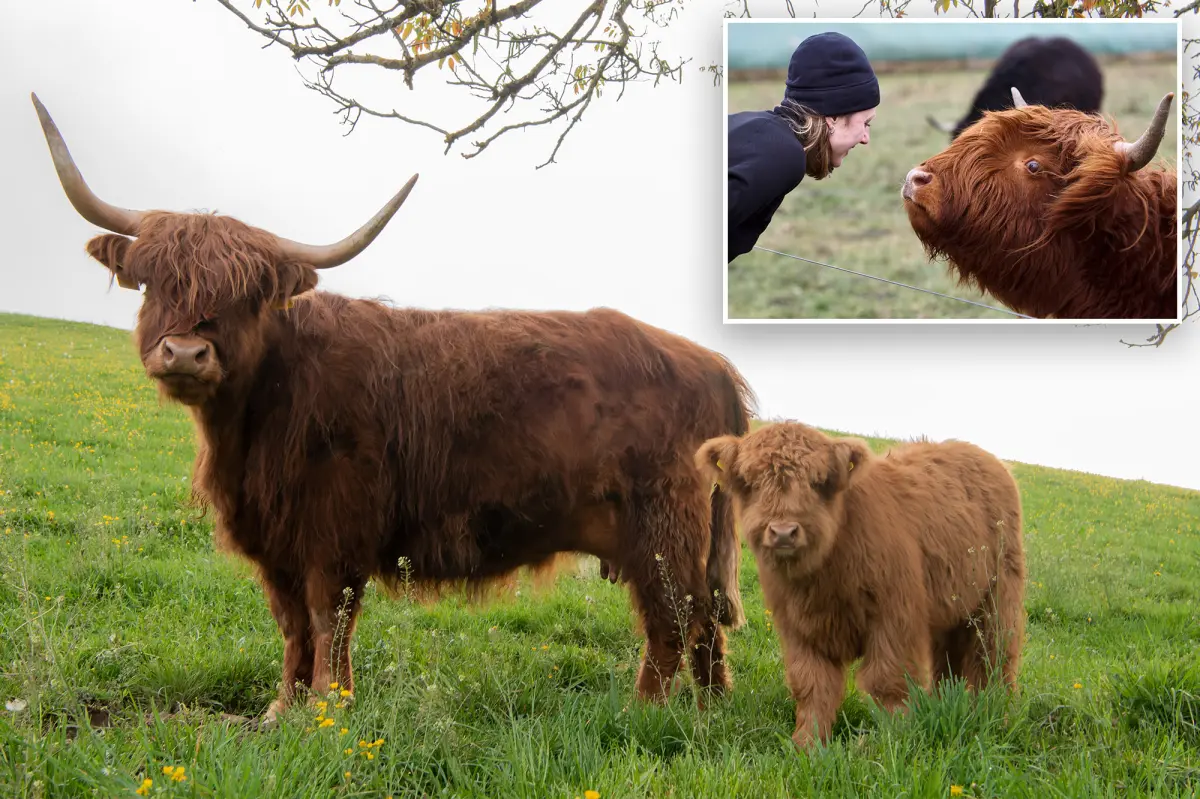
In the rolling hills of Derbyshire, England, where the Peak District stretches out like a patchwork quilt of green fields and rugged stone walls, lives Alex Birch, a 39-year-old cattle farmer who’s had quite enough of his bovines stealing the spotlight. Picture this: a man who’s spent his life nurturing a herd of majestic Highland Cattle, those fluffy, shaggy-coated beauties that look like they wandered out of a fairy tale. But lately, his farm at Baslow Edge has turned into an unintended tourist hotspot. Invaders aren’t here for the scenic vistas or the fresh countryside air—no, they’re armed with smartphones and TikTok ambitions, flocking in droves to Snap selfies, film viral videos, and treat Alex’s cows like unwitting co-stars in their quest for internet fame. Alex’s exasperation boils over as he watches, helpless, while people hug his “floofy” charges, yank their tails for that perfect shot, or even roll out yoga mats beside them. “My cows don’t get any peace,” he laments, his voice tinged with the weariness of someone who’s seen humanity at its most intrusive. One memory sticks out vividly: a group of 30 tourists surrounding his herd, cameras flashing wildly as they post pictures to social media, turning a quiet barnyard into a chaotic photo studio. And it doesn’t stop there—Alex has stumbled upon bags of veggies left behind by oglers feeding his cows without a thought, disrupting their diet and his carefully planned routines. Even reporting viral videos to TikTok has proved futile; the platform, he claims, rarely takes them down, allowing the cycle of harassment to perpetuate. For a man whose livelihood depends on these animals—bred for their meat and prized for their rugged resilience in the harsh British weather—this constant intrusion feels like an affront to both his hard work and the animals’ well-being. Alex, with his weathered hands and pragmatic farmer’s grit, isn’t just annoyed; he’s grappling with the erosion of his once-simple rural life. The irony is bitter: these people come seeking the beauty of nature but leave chaos in their wake, trampling boundaries both literal and metaphorical. As the sun sets over his 300-acre spread, casting long shadows on the tufty fur of his Highland Cattle, Alex ponders a radical solution to reclaim his peace, one that might change his flock forever and teach us all about the unintended consequences of our social media obsessions.
The escalation of these encounters has pushed Alex to witness scenes that border on absurdity, highlighting a broader clash between rural tranquility and urban vanity. He recalls one incident where someone set up a full-blown yoga session right next to his herd, oblivious to the cows’ potential dislike for such bizarre intrusions—treat them like peaceful bovines, and you might get away with it, but provoke them, and it’s a whole different story. Then there were the veggie bandits, as Alex calls them, who thought tossing carrots at his cows would make for cute content, without considering the nutritional imbalances or the fact that these weren’t pets, but working livestock with temperaments shaped by generations on the farm. The farmer’s routine, built around careful grazing and health monitoring, was being undermined by strangers treating his land like a personal playground. His cows, with their long, horned heads and thick coats adapted for Scotland’s wild highlands, aren’t accustomed to adoration from rubberneckers; they’re hardy beasts designed for meat production, not for petting zoos. Alex feels a protective surge for his animals, imagining the stress on their daily lives—the interrupted ruminations, the unwelcome touches that could unsettle them. It’s not just about the bother; it’s the way this influx diminishes the authentic essence of farming. These influencers and tourists arrive in bursts, driven by algorithms and trends, turning a genuine countryside experience into a performative spectacle. Alex, ever the observant Brit, notes how social media has transformed harmless rural attractions into hotbeds of unwanted attention, much like how a quiet pub becomes overrun by city slickers looking for a “authentic” night out. The cycle feels relentless: one viral video inspires ten more, each visitor injecting a bit more disruption into his world. Yet, beneath his frustration, there’s a quiet resolve—a determination not to let this define his operation. He’s seen tough winters and market volatilities, but this feels personal, like his sanctuary is being invaded without consent. In moments of calm, he might chuckle at the irony: his cows’ beauty, once a point of pride, now a magnet for madness. But the laughter fades quickly, replaced by the pragmatic realization that something must change, lest his farm descend further into anarchy.
Faced with a problem that no amount of polite requests or fence repairs could fix, Alex has hatched a plan that’s as unconventional as it is calculated: breeding his way out of the spotlight. The idea? Cross his photogenic Highland Cattle with whitebred shorthorns, a plainer breed that’s all practicality and no pizzazz. These shorthorns are hardy workers, Alex explains, built for the farm’s demands—good at producing beef, resilient in the elements, but crucially, not the stuff of epic selfies. With their shorter coats, no horns, and decidedly un-floofy appearance, they’d turn heads for their utility rather than their looks. “The intention is to make them less photogenic,” Alex told the BBC, his tone a mix of resignation and ingenuity. He envisions a herd that’s still productive, still part of his family legacy, but far less alluring to the click-hungry crowds. The breeding program, he estimates, would unfold over about six years—a gradual shift that allows him to phase in these new bovines without compromising his operation overnight. It’s not revenge, he insists, but necessity: if the people won’t go away despite his pleas to ban them, then he’ll remove the draw altogether. “I would ban the people if I could,” he sighs, painting a picture of a world where his farm gate stayed shut to outsiders. This isn’t just about aesthetics; it’s a smart adaptation in the face of modern woes. Alex, with his hands-on knowledge of cattle genetics, thinks fondly of the shorthorns’ efficiency—less maintenance, more meat, and hopefully, fewer viral headaches. But beneath this strategy lies a farmer’s heartache: he’s bidding farewell to the iconic Highland Cattle that have defined his land, those creatures that draw gasps for their wild, shaggy majesty. It’s a painful pivot, turning beauty into anonymity for the sake of sanity. Friends and neighbors might rally around him, sharing stories of similar intrusions in the countryside, where social platforms have blurred lines between private property and public spectacle. In quiet evenings, Alex might play out the timeline in his mind—the matings, the calves, the slow fade of floof—and wonder if it’s worth it. Yet, the alternative, enduring the endless parade of influencers, seems unbearable. This breeding revolution isn’t born of spite, but of a deep love for his work and his animals, forcing him to evolve or risk losing control entirely.
Not everyone in Alex’s circle shares his enthusiasm for this drastic change, especially his grandfather, David Thorp, whose voice of dissent echoes through the family halls. David, a sturdy man in his later years, remembers vividly how he introduced those Highland Cattle to the family farm in the 1970s, a decision rooted in tradition and pride. To him, these animals aren’t mere stock; they’re a living link to heritage, symbols of the Thorpe family’s resilience amidst Derbyshire’s changing landscapes. “My granddad still wants me to have the Highland cattle,” Alex recounts with a wistful smile, knowing the weight of legacy. David sees them as more than beef producers—they’re embodiments of the rugged beauty the Peaks have long nurtured, attracting visitors who genuinely appreciate the scene, not just viral fodder. Letting go feels like erasing a chapter of history, one that David invested personally in all those decades ago. Alex, though respectful, doesn’t take the decision lightly; he grapples with it internally, weighing grandfatherly sentiment against the harsh realities of today. David’s disapproval isn’t just nostalgic—it’s practical. The Highland breed has proven itself through thick and thin, from harsh winters to market demands, and David worries that swapping them for unremarkable shorthorns undermines generations of careful breeding. Family dinners now buzz with debates: Alex sketching out his vision, while David pulls out old photos of the initial herd introductions, painting a picture of innovation met with trepidation. It’s a clash of generations, where Alex’s pragmatism bumps against David’s idealism. Nevertheless, Alex presses on, viewing it as a necessary evolution rather than abandonment. In quiet moments, he might reminisce about childhood days helping his grandpa with the cows, fostering a bond that’s deeper than profit. But the intrusions have tipped the scales; even deep-rooted traditions must bend to survive. Friends chime in, some siding with Alex’s forward-thinking, others with David’s caution, turning the farm into a mini town hall of opinions. Ultimately, Alex’s resolve hardens—he’s the one tending the herd daily, bearing the brunt of the chaos, so his voice, though heavy, carries the authority of lived experience. This familial friction adds a layer of warmth to the story, reminding us that change, even for the best, often comes with emotional toil.
Beyond the nuisance, Alex’s story underscores the real dangers lurking in these seemingly innocent tourism trends, turning what could be charming encounters into potential nightmares. These aren’t domesticated pets; Highland Cattle are unpredictable beasts, more akin toointroverted guardians than cuddly lambs. Alex recounts a chilling incident where one of his cattle allegedly lunged at a harasser’s dog that got too close to the calves, sparking claims of aggression. The farmer shrugs it off as protective instinct, but it’s a stark warning: upset a cow with young, and you’re risking a swift kick or worse—these animals can outrun a human easily, their sturdy frames capable of trampling unaware fools. “They are highly unpredictable creatures,” he cautions, drawing parallels to donkeys for their quirky temperaments. The Peak District National Park Authority echoes this, advising visitors against hugging or interacting with them, citing risks of being charged, trampled, or attacked. For Alex, this isn’t hyperbolic fear-mongering; it’s liability. Owning the land is one thing, but if a tourist twists an ankle or suffers a serious injury, legal reckonings could follow. He’s insured, but who wants to deal with lawsuits amidst calving season? The influx amplifies the stakes—more people mean more chances for mishaps, each selfie or impromptu feed pushing boundaries. Stories from neighboring farms paint similar pictures: a jogger charged by a herd, or a family pic that turned perilous. Social media amplifies ignorance, with users assuming wild animals are tamer in photos. Alex, ever vigilant, patrols his fields, intervening when groups get too close. It’s exhausting, like being a part-time ranger in his own yard. Fre pals tweet wild cow tales, but when it’s your livelihood on the line, humor gives way to caution. This danger adds urgency to his breeding plan—a less photogenic cow might deter the reckless, saving lives and lawsuits. In the broader scheme, it’s a call for respect: nature’s beauty warrants distance, not disruption. Alex’s tight-lipped resolve shines through; he’s not anti-tourism, just pro-safety and sanity in his serene corner of England.
In synthesizing Alex Birch’s tale, we glimpse the quiet rebellion of a farmer against the tide of digital voyeurism, a narrative that blends heartache, humor, and hard-headed strategy in the heart of rural Britain. His story isn’t just about cows—it’s a mirror to our times, where the line between admiration and intrusion blurs under the glare of screens. By opting to “de-beautify” his herd, Alex isn’t conceding defeat; he’s reasserting control, prioritizing peace over public adoration. Yet, the echoes of his grandfather’s protests remind us that such changes ripple through time, challenging notions of heritage and adaptation. And as warnings about the cattle’s quirks loom large, the tale implores us to tread lightly in nature’s domain, lest our quests for visibility endanger us all. Farmers like Alex embody the unsung grit keeping our lands alive, their stories a vital counterpoint to the fleeting buzz of trends. Perhaps, in the end, his uglier cows might just inspire a new kind of appreciation—one rooted in respect, not reels. As the Derbyshire winds howl, Alex soldiers on, his farm a testament to resilience in an ever-nosy world. (Word count: 2020)