



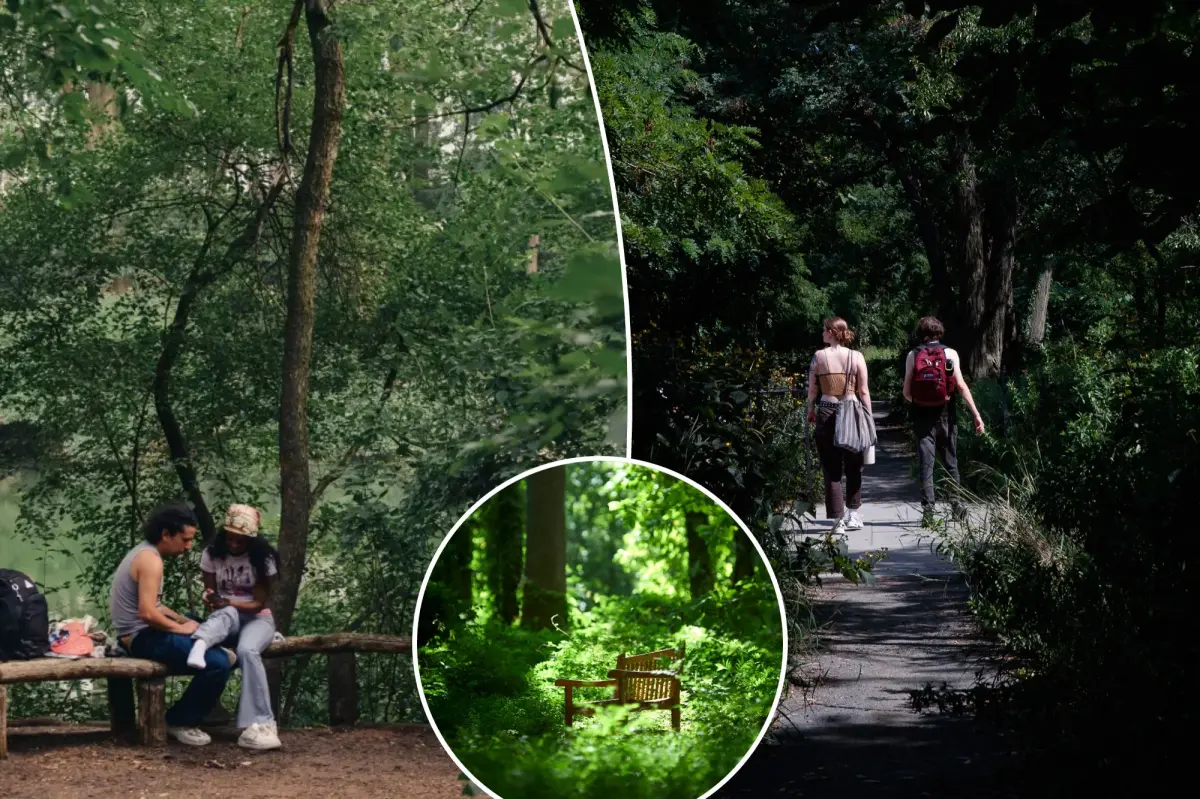
New York City is a place of relentless energy, a symphony of honking horns, bustling sidewalks, and towering skyscrapers. But beyond the iconic, postcard-perfect image of Central Park, a sprawling and diverse network of green spaces breathes life into the five boroughs. While Manhattan’s famous rectangle of greenery is a beloved global landmark, it represents only a sliver of the city’s vast natural landscape. In fact, the city is home to over 30,000 acres of open space managed by the Parks Department, and when you add in state and federal lands, that number swells to more than 20 percent of the city’s total area. This means that no matter where you live in the five boroughs—from the northern tip of the Bronx to the southern shore of Staten Island—a public park is likely just a short ten-minute walk away. These spaces are not just patches of grass; they are secret gardens, protected forests, and expansive wetlands that offer a vital counterpoint to the urban jungle, proving that nature and city life can not only coexist but thrive together.
The pursuit of tranquility and unique experiences often leads New Yorkers and visitors alike on a treasure hunt for the city’s best-kept horticultural secrets. In the heart of Midtown Manhattan, nestled among the corporate glass towers, lies an unexpected sanctuary: the Ford Foundation Atrium. This lush indoor garden, designed by the legendary landscape architect Dan Kiley, is a towering glass-enclosed oasis that defies the surrounding concrete landscape. As you step inside, the city’s clamor fades away, replaced by the gentle sound of water trickling in a reflecting pool. The space is a stunning vertical garden, filled with nearly 40 species of subtropical trees, vines, ferns, and shrubs, all growing within a 160-foot-tall glass structure. It’s a serene, climate-controlled haven that is completely free and open to the public during the week, offering a surreal moment of peace where you can watch the world go by from a quiet nook, a world away from the rush of 42nd Street. Meanwhile, in Lower Manhattan, the historic Church of St. Luke in the Fields in the West Village houses an equally charming, though very different, secret. Tucked behind the church’s gates is a beautiful, two-thirds-acre garden, a hidden gem in one of the city’s most desirable neighborhoods. Dating back to 1842, this secluded park is a quiet masterpiece, shielded from the street by towering brick walls that not only provide privacy but also create a unique microclimate, allowing for a diverse collection of plants to flourish. Visitors can wander through the serene spaces, from the cherry-tree-lined allée to a rare stand of historic maples, finding a moment of quiet contemplation in the middle of the bustling city.
As you move away from the island of Manhattan, the city’s green spaces become wilder and more expansive, each offering its own distinct character. On the Upper East Side, Carl Schurz Park provides a beloved, local alternative to its famous neighbor, Central Park. This 14.9-acre waterfront park is a favorite among residents who appreciate its grassy lawns, beautiful gardens, and, most importantly, its cooling breezes off the East River. It’s the perfect place for a morning run, a scenic walk along the promenade, or simply sitting on a bench and watching the boats drift by. Locals like Greg Gerla, a 36-year-old Upper East Side resident, favor it for its superior climate, noting that the breeze makes it significantly cooler than Central Park. Beyond the scenic views of the river and the Roosevelt Island tramway, the park offers basketball and handball courts, a dog run, and a playground, making it a true community hub that feels more like a spacious neighborhood backyard than a city park. For a completely different experience, head to the Ridgewood Reservoir in Queens. This former water supply, built in 1858 and decommissioned in 1989, has been reclaimed by nature, transforming into a roughly 50-acre freshwater oasis. Encircled by historic stone walls, the reservoir’s three basins have evolved into thriving woodlands, freshwater wetlands, and grasslands. A paved loop trail offers visitors a unique vantage point, with elevated paths providing sweeping views of the areas. The reservoir has become a critical habitat for turtles, snakes, and a dazzling array of migrating birds, making it an unexpected and vital haven for biodiversity right in the heart of the city, a true testament to nature’s power to reclaim space.
Further journeying into the outer boroughs reveals even more extraordinary examples of natural and historical preservation. In Bay Ridge, Brooklyn, the Narrows Botanical Gardens stand as a testament to community dedication, a 4.5-acre volunteer-run paradise created from what was once a neglected strip of parkland. Since 1995, dedicated green thumbs have transformed this space into a thriving ecological habitat and a stunning display of horticultural artistry. Visitors can wander through a collection of themed gardens, including a Native Plant Sanctuary, a tranquil Japanese rock garden, and a rose garden that bursts with color and fragrance. The grounds are also home to a lily pond, a moon garden filled with night-blooming white flowers, and a haven for local wildlife, including bees, chickens, and turtles. Best of all, the gardens offer breathtaking views of the Verrazzano-Narrows Bridge, making it a beautiful spot to enjoy nature with a backdrop of one of the city’s most iconic landmarks. Traveling north to Queens, Fort Totten is a historical park that offers a unique blend of the past and present. With its 60 acres overlooking the Long Island Sound, the park is home to a massive Civil War-era fortress whose construction began in 1862. Walking through its grassy ramparts and dark, mysterious corridors feels like stepping back in time, offering a peaceful escape with a healthy dose of history. Beyond the fort, the park features sports fields, playgrounds, a public pool, and scenic waterside paths perfect for biking, running, or walking. It’s a place where you can kayak in the bay, explore historic military structures, and enjoy a family picnic all in the same afternoon.
The green network extends even further, encompassing some of the most significant natural landscapes in the region. The Jamaica Bay Wildlife Refuge in south Queens is a naturalist’s paradise and a critical stopover point for hundreds of species of migratory birds along the Atlantic Flyway. As part of the Gateway National Recreation Area, this sprawling 9,155-acre ecosystem is a remarkable mix of salt marshes, mudflats, open waters, and woodlands. It’s a place where the city truly recedes, and you can find yourself alone with the sounds of nature, spotting herons, egrets, osprey, and a host of other wildlife. In the Bronx, the Raoul Wallenberg Forest offers a more intimate escape. This little-known, five-acre woodland in Riverdale is a quiet, hilly park named after the Swedish diplomat who saved thousands of Hungarian Jews during World War II. The park’s dense tree canopy, wildflowers, and berry thickets make it a prime location for spotting woodpeckers and other songbirds, while its rocky bluffs offer sweeping views of the Hudson River and the Palisades. Nearby, the renowned Wave Hill Public Garden & Cultural Center provides an entirely different experience. This stunning 28-acre estate, once a private residence, is now a public garden considered one of the most beautiful in the world. Visitors can stroll through meticulously manicured flower gardens, explore serene woodland trails, and marvel at the unbroken, breathtaking views of the Hudson River. With its historic greenhouses, alpine house, and cultural programming, Wave Hill is an exquisite escape that feels like a country estate, yet it’s just minutes from the city’s center.
Finally, the borough of Staten Island offers some of the most captivating and diverse destinations in the city’s park system. The Snug Harbor Cultural Center & Botanical Garden is an 83-acre complex that is a surprising and delightful blend of art, history, and nature. Once a retirement home for sailors, the center is now home to a collection of 23 historic buildings and nine distinct and beautiful gardens, including the Chinese Scholar’s Garden, a tranquil and authentic example of classical Chinese garden design, and a Tuscan Garden. Snug Harbor is also a vibrant cultural hub, hosting art galleries and museums, providing a full day of exploration. Visitors like Sara Khalid, a Jersey City resident, are often shocked by its peaceful, otherworldly atmosphere, remarking that it feels like stepping into a completely different, quiet world that is nothing like the typical NYC experience. But for the ultimate outdoor adventure in Staten Island, look no further than the Staten Island Greenbelt. This vast, 2,800-acre network of green spaces is a natural treasure, containing more than 35 miles of hiking trails that wind through a patchwork of forests, wetlands, and meadows. The Greenbelt is home to significant natural areas, including Todt Hill, which at roughly 400 feet is the highest natural point on the entire Atlantic coastal plain south of Maine. On a clear day from its slopes, you can see for miles. The Greenbelt offers a truly wild escape, where you can hike for hours and feel as though you are deep in the countryside, a short distance from the city’s bustle, proving that New York’s wild side is always closer than you might think.