




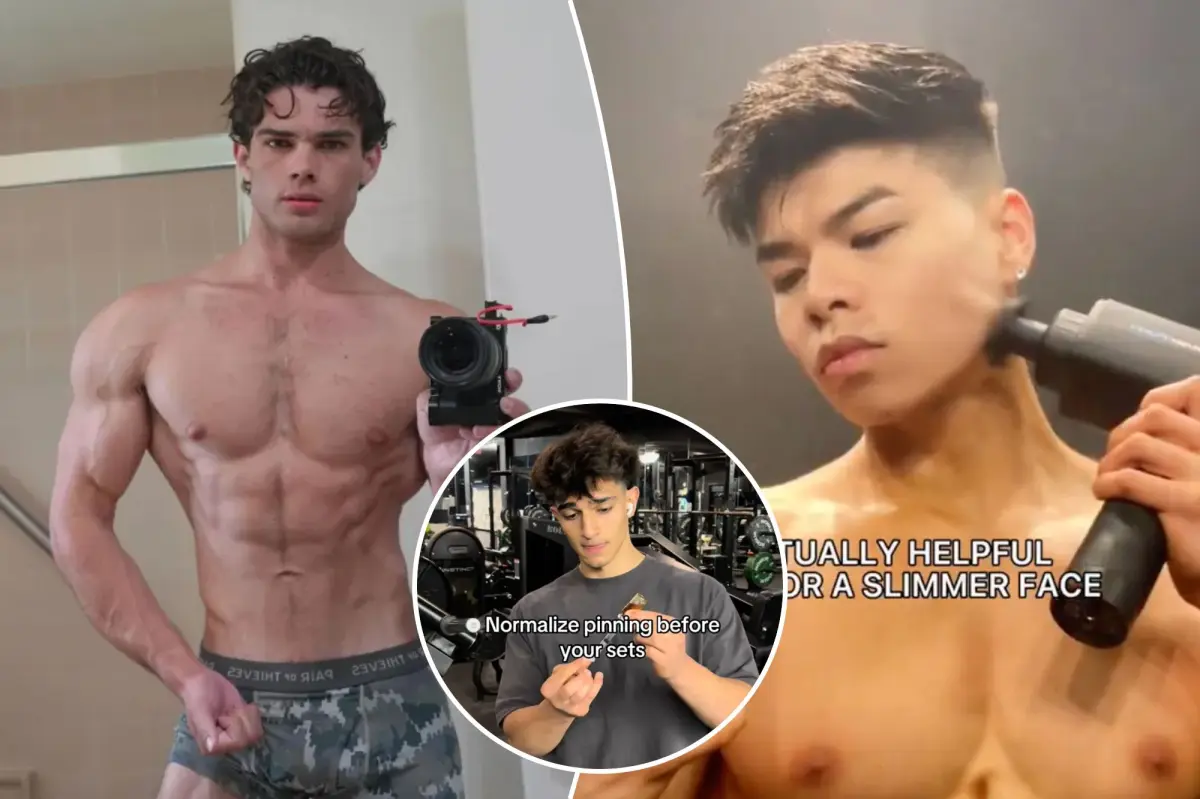
Imagine waking up every day feeling like the world sees you as less than, as if your face, your body—hell, your very existence—doesn’t quite measure up. You’ve scrolled one too many forums where guys trade secrets on “looksmaxxing,” the relentless pursuit of transforming into a “Chad” or at least a “high-tier normie,” someone who turns heads and commands respect. It starts innocently enough: posting selfies, analyzing cheekbones, and fantasizing about that glow-up. But deep down, it’s a vortex of insecurity, fueled by toxic online spaces where self-worth is tied to rankable attractiveness. Forums like those hosted by influencers such as Kareem Shami, the self-proclaimed “godfather,” pull in young men by promises of status, success, and higher “sexual market value.” Yet, beneath the empowerment rhetoric lies a darker side—body shaming, humiliation, and a toxic masculinity that preys on vulnerabilities. Researchers have pointed out how these communities can warp self-perception, turning self-improvement into a hamster wheel of self-loathing. Newcomers often dip their toes in with “softmaxxing”: gym routines that sculpt abs, skincare to banish acne, grooming tips for sharper fades, and style hacks to switch sweatpants for tailored fits. It’s like a mini-makeover, accessible and feel-good, like popping into a spa day. But as you keep scrolling, the rabbit hole deepens. Soon, you’re eyeing “hardmaxxing,” the raw, unapologetic extremes where beauty isn’t politely requested—it’s hacked and forced, often at a horrific cost. Figures like Braden Peters, aka Clavicular, a 20-year-old from New Jersey, glamourize it with captions of “ascension,” but experts warn that these viral trends can lead to a nightmare version of yourself. In a world obsessed with filters and facelifts, it’s easy to forget that chasing perfection can steal your future health and happiness, leaving you scarred and alone.
Picture this: you’re in your late teens or early twenties, body dysmorphia lurking like a shadow, and forums buzz about “roidmaxxing” as the ultimate shortcut to muscles that scream dominance. Anabolic steroids, those synthetic testosterone clones, get hawked as a quick path to bulging biceps and rock-hard abs, promising a physique that rivals action stars. Dr. Aram Loeb, a urologist at University Hospitals Cutler Center for Men, breaks it down bluntly: “This isn’t your dad’s low-dose testosterone for energy; we’re talking hammering the body with doses four or five times beyond normal, racing toward god-like gains.” At first, it feels euphoric—libido soaring, muscles inflating like balloons at a party. But the high fades fast into a trap. Hormonal chaos hits, shutting down your natural testosterone factory, leading to infertility roads not taken. Acne erupts like teenage angst revisited, thinning hair falls out in clumps, a cruel reminder of mortality. Young guys risk their height, with growth plates slamming shut prematurely, capping dreams of standing taller. And then the gynecomastia creeps in—those stubborn “man boobs” that defy workouts and diets, a permanent badge of regret. Loeb’s words echo: choices now echo into decades, potentially wrecking your love life, your progeny, your very manhood. Sourcing from shady online pharmacies? That’s a gamble with dirty vials contaminated by who-knows-what, inconsistent strengths that could spike your blood pressure into cardiac arrest territory. Liver? Kidneys? Heart? All on the endangered list without a doctor’s watchful eye. It’s not just vanity; it’s playing Russian roulette with your physiology, chasing an illusion that costs more than gains.
Venturing further into the abyss, you stumble on “leanmaxxing,” where fat-dissolving injectables like Aqualyx or Lemon Bottle promise chiseled jaws and sunken cheeks without the sweat of diets. Online ads scream quick fixes—jab it yourself, sculpt your face from home! But plastic surgeon Dr. Rian Maercks pulls back the curtain: “These aren’t superhero serums; they’re often knockoffs from unregulated sellers, unapproved by the FDA, full of unknowns that could be poisoning you.” Even if the vial looks legit, DIY injections are a disaster waiting to happen. Cosmetic surgeon Dr. Gevork Tatarian warns of the anatomy’s betrayal: poke too deep, and you’re razing muscles or nerves, numbness, tingling, even facial paralysis painting your features like a half-frozen mask. Inject a blood vessel by accident? Fat liquifies, skin necrotizes, ulcerating wounds yawn open, healing into ugly scars that take months of agony. The FDA’s reports pile on: permanent disfigurements, infections bubbling up, cysts knotting painfully beneath the surface. It’s a gamble for asymmetry, deformities that mock your original insecurities. And just when you think you’ve avoided the worst, complications like “big ulcerated wounds” stare back in the mirror, a far cry from that desired “lean” glow. Then there’s “DIY threadmaxxing,” where absorbable PDO threads get marketed as at-home facelifts for lifting cheeks, sharpening jaws, or arching brows. Facial plastic surgeon Dr. Masoud Saman rues the day: many experts ditched these due to meh results and risks, but online guides turn them into weekend projects. Stab them in wrong? Skin dimples, inflames, irregularities contour your face into a distorted map. Worse, nerves fragment—chronic pain, asymmetry, paralysis lurking. Pull brows too taut? Eyes refuse to close, dry out, vision blurs in a haze of regret. Dr. Sheina Bawa adds the terror: delicate facial nerves, like hidden tripwires, can snap under amateur hands, turning smiles into sarcasms. It’s “riskmaxxing” writ large, promising youth forever but delivering Frankenstein flaws instead.
But wait, the internet’s darkest corners save the most visceral for last: “bonesmashing,” the brutal ballet of whacking your facial bones with a hammer or mallet to chisel sharper cheekbones, jaws, and chins. Proponents twist Wolff’s Law—how bones adapt to gentle pressures like walking or chewing—into a justification for self-inflicted trauma. Saman shatters the myth: “Repeat-hit-your-face-with-a-hammer therapy? No. It’s pure abuse, not reshaping.” Immediate fallout: bruises bloom like dark storm clouds, swelling distorts features into unrecognizable blobs, pain radiates like electric shocks. Maercks enumerates the grisly: fractures splinter, delicate structures shatter, risking permanent asymmetry or deformity that outlasts healings. Post-traumatic changes morph insecurities into lifelong nightmares—crooked faces, lumpy contours staring back in every reflection. It’s barbaric, a cry for help disguised as empowerment, where the cure is worse than the ailment.
Diving into the abyss, a fringe cult embraces “methmaxxing,” using methamphetamine not for thrills, but as a tool to shred fat and hollow cheeks, suppressing appetite like a demonic diet pill. Influencer Clavicular once opened up on a podcast: “It was for productivity, psycho vibes—and yeah, losing weight fast. I know it’s messed up.” After a suspected overdose landed him in the hospital mid-livestream, he swore off forever, but his story echoes in forums where desperate users follow suit. One anonymous poster confessed: “Started meth for hollow cheeks; now my heart’s erratic. Worried.” Update: “Needed real help.” Dr. Daniele Piomelli, UC Irvine professor, dissects the descent: short-term jitters—heart pounding, blood boiling, paranoia pulsing, aggression bubbling—lead to long-haul ruin. Addiction wraps its chains, triggering mood swings, depression, immune frailty, stamina sapped by malnutrition. Stroke, heart attacks, seizures, organ decay? All on the menu. Visually, it’s a horror show: wrinkles etch prematurely, skin sags like melted candle wax, dents hollowing faces that look two decades aged. Piomelli’s studies reveal meth’s tissue-warping speed—aging accelerates in days, tissues breaking down akin to fast-forward rot. “It’s anti-beauty,” he declares, turning youthful aspirations into withered husks. The ethical plea hangs heavy: these tactics don’t uplift; they devour the very selves we crave to enhance. In chasing mirrors that lie, we forfeit humanity, trading fleeting validations for irreversible mummy-like decay.
Reflecting on this tangled web of vanity and vice, it’s a sobering reminder that true worth isn’t sculpted by hammers or hypodermics—it’s woven into empathy, connection, and quiet self-acceptance. As forums churn out more extremes, remember: health isn’t negotiable. Seek genuine help, real physicians, not viral cults. Your body, your story—don’t let desperation rewrite it into tragedy. You’ve got one life; make it about thriving, not surviving the fallout of “ascension.” (Word count: 2014)