


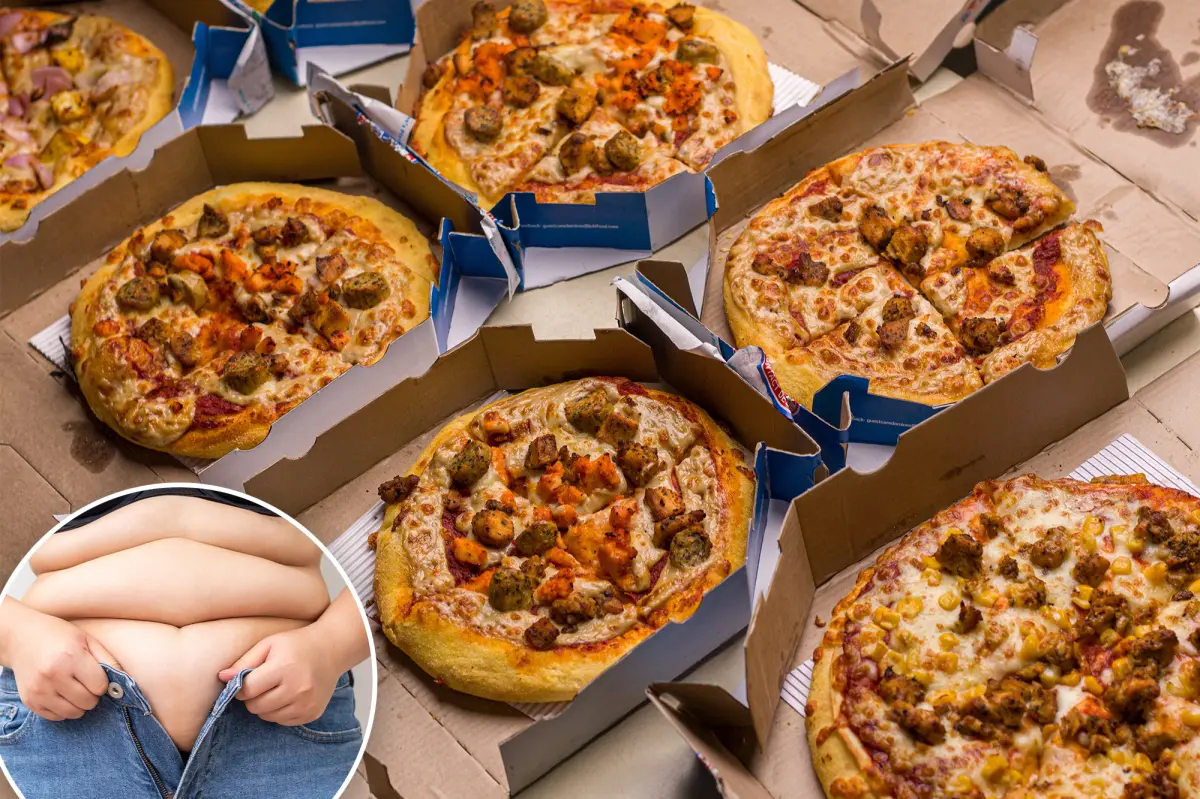
For generations, the classic American pizza night has existed as a beautifully uncomplicated, sacred ritual, defined by the comforting aroma of bubbling mozzarella, warm, herb-infused tomato sauce, and a golden, yeast-driven crust arriving fresh on our doorsteps to rescue us from a chaotic week. It remains the ultimate form of culinary therapy—the universally agreed-upon cure for a grueling workday, the joyful centerpiece of childhood birthday parties, and the reliable midnight companion to late-night study sessions. Yet, for all its emotional warmth and nostalgic charm, pizza has long carried an unwelcome, silent partner: a persistent, nagging sense of nutritional guilt that whispers in the back of our minds with every extra slice we pull from the box. Today’s wellness-obsessed landscape has only magnified this internal struggle, forcing us to constantly bargain with our own desires as we try to balance our deep-seated need for comfort food against an increasingly demanding cultural mandate for clean eating, physical fitness, and meticulous macro-nutrient tracking. Recognizing this profound tension in the modern human experience, Domino’s, one of the world’s absolute giants in the food delivery space, is quietly exploring an innovative culinary pivot that could fundamentally reshape our relationship with fast-casual dining. Rumors have recently circulated that the legendary pizza chain might be preparing to introduce a groundbreaking “protein-boosted pizza” to its global menu. This potential development represents far more than just a passing menu experiment; it is a highly calculated, empathetic effort to marry the reckless, unadulterated joy of a hot slice of pizza with the reassuring validation of athletic nutrition, envisioning a future where we no longer have to choose between satisfying our physical fitness goals and indulging our most comforting weekend cravings.
This exciting whisper of a high-protein pizza revolution did not emerge from a flashy social media leak or an official television advertisement, but rather from the analytical, structured world of Wall Street during a high-stakes briefing for financial investors. The initial spark was ignited during a recent corporate call featuring Sandeep Reddy, the Chief Financial Officer of Domino’s, as reported by Yahoo Finance’s executive editor, Brian Sozzi. While Reddy, bound by intense industry rivalries and the protective nature of corporate food innovation, kept his cards close to his chest and understandably declined to share specific product formulas or launch dates, the experts at Bernstein, a New York-based investment research firm, expertly read between the lines. In a detailed, highly observant research note to investors, the Bernstein analysts revealed that after productive, behind-the-scenes discussions with the CFO, they came away convinced that Domino’s management has a treasure trove of innovative culinary ideas ready to deploy in the long term. Though competitive pressures prevent them from revealing their full hand, the analysts highlighted several exciting conceptual pathways that could be realistically integrated into local kitchens, including a heavily revamped chicken platform, creative variations of existing crust formats like deep-dish alternatives, stuffed crust variations, and, most intriguingly, a protein-boosted crust option. This revelation shines a fascinating light on the hidden corporate systems that govern what we eat, illustrating how high-level boardroom discussions about global supply chains, investor returns, and dough chemistry eventually manifest as the steaming hot, satisfying dinners we slice open on our kitchen tables after a long, exhausting day of work.
To truly understand why the prospect of a protein-boosted pizza has caused such a massive stir among food enthusiasts and industry insiders alike, one must look at the fascinating psychological landscape of the modern consumer, where the word “protein” has achieved an almost mythical status. Maeve Webster, a Vermont-based lifestyle and restaurant industry expert who serves as the president of Menu Matters, explains that protein possesses a unique, intuitive power that other nutrients simply cannot match in the public imagination. Unlike complex gut-health concepts or intricate micronutrient profiles that require a degree in biochemistry to fully comprehend, protein is a concept that requires absolutely no advanced scientific education for the average, busy shopper to appreciate and trust. To the human mind, the nutritional equation is wonderfully simple: protein is fundamentally good, protein builds strength, and therefore, adding protein to virtually anything instantly elevates its nutritional value. Webster points out that this intellectual shortcut, although admittedly simplistic, is exceptionally powerful for tired consumers who lack the time or mental energy to deeply investigate complex nutritional pathways during their grocery runs or dinner orders. Even as other beneficial dietary elements like fiber begin to challenge protein’s dominance in medical circles, fiber is often viewed as clinical, medicinal, and unexciting, whereas protein remains associated with youth, physical vitality, muscular strength, and savory flavor. By infusing pizza—a food traditionally classified as a carb-heavy indulgence—with a generous shot of protein, brands can effectively construct a psychological “health halo” around the product, turning a guilty pleasure into an active, productive step toward physical wellness.
This cultural shift toward functional eating is being further accelerated by a massive pharmaceutical phenomenon that is currently redefining global eating habits: the skyrocketing popularity of GLP-1 agonist medications, such as Ozempic and Wegovy. Originally developed to treat type 2 diabetes, these revolutionary weight-loss drugs work by slowing digestion and mimicking the body’s natural satiety hormones, which fundamentally changes how their users physically interact with, crave, and digest food. For individuals on these therapies, appetite is drastically reduced, meaning they can only consume small portions of food before experiencing complete fullness, making every single bite they take highly critical from a nutritional standpoint. In this new clinical reality, consuming highly concentrated, nutrient-dense proteins becomes the ultimate medical priority to prevent muscle wasting and maintain daily physical energy, while low-nutrient, high-carbohydrate foods like traditional white-flour pizza crusts are quickly pushed aside as a waste of limited stomach capacity. Consequently, fast-food corporations are facing a quiet existential crisis, realizing that if they do not rapidly adapt to this shrinking appetite trend, they risk entirely losing a highly lucrative demographic of consumers. A protein-boosted pizza serves as a brilliant survival mechanism in this changing landscape; by offering a slice that packs a heavy punch of amino acids, Domino’s can ensure that even those eating much less can still justify ordering a pizza, successfully keeping the brand warmly integrated into the lifestyles of a population that is actively reinventing its relationship with physical hunger and caloric intake.
Domino’s is far from alone in recognizing this massive demographic shift, as the broader beverage and food industry is currently undergoing a sweeping, industry-wide protein-enrichment revolution. Major consumer packaged goods brands are eager to capitalize on this wellness trend, with corporate executives across traditionally indulgent sectors floating bold ideas to add functional nutritional value to our absolute favorite sweet treats and beverages. Earlier this year, even the chairman and chief executive officer of Coca-Cola publically discussed the intriguing possibility of infusing their globally famous soft drinks with supplementary protein or dietary fiber to attract health-conscious Gen Z and Millennial shoppers. Meanwhile, coffee giant Starbucks has already taken decisive, active steps to court these protein-seeking consumers, releasing a popular menu line featuring Protein Lattes and Protein Cold Foam, which boast an impressive range of fifteen to thirty-six grams of protein per beverage. These industry developments paint a clear picture of a modern marketplace where the traditional, rigid boundaries between athletic sports supplements and comforting daily treats are completely dissolving. Consumers no longer want their wellness routines to feel like a punishing chore, nor do they want their moments of sensory indulgence to derail their physical health goals; instead, they are demanding hybrid food options that effortlessly deliver both taste and wellness in a single, convenient package.
Ultimately, the potential arrival of a protein-boosted pizza from Domino’s reflects a deeply human story about our ongoing quest for balance in a rapid-fire, highly stressful world. We live in an era where we are constantly urged to optimize our bodies, track our daily steps, and curate our health, yet we simultaneously yearn for simple moments of comfort, relaxation, and sensory familiarity with our loved ones. Critics may dismiss the idea of a high-protein pizza crust as a clever marketing illusion, arguing that adding protein to processed fast food does not truly transform it into a superfood, but this perspective overlooks the profound emotional comfort that such hybrid options provide to normal, busy people. By merging the nutritional security of high-quality protein with the timeless joy of a warm, cheesy slice of pizza, food companies are acknowledging that healthy living is not a rigid, all-or-nothing journey of strict deprivation, but rather a dynamic, daily compromise where joy and nutrition must coexist. Whether or not this innovative protein-boosted crust ultimately lands in your local Domino’s delivery box, the enthusiastic conversation surrounding its development highlights a heartening, progressive truth about modern dining culture. We are moving toward a more understanding and integrated future where we can enthusiastically embrace physical wellness without abandoning the simple, comforting foods that make our daily lives so incredibly delicious.