

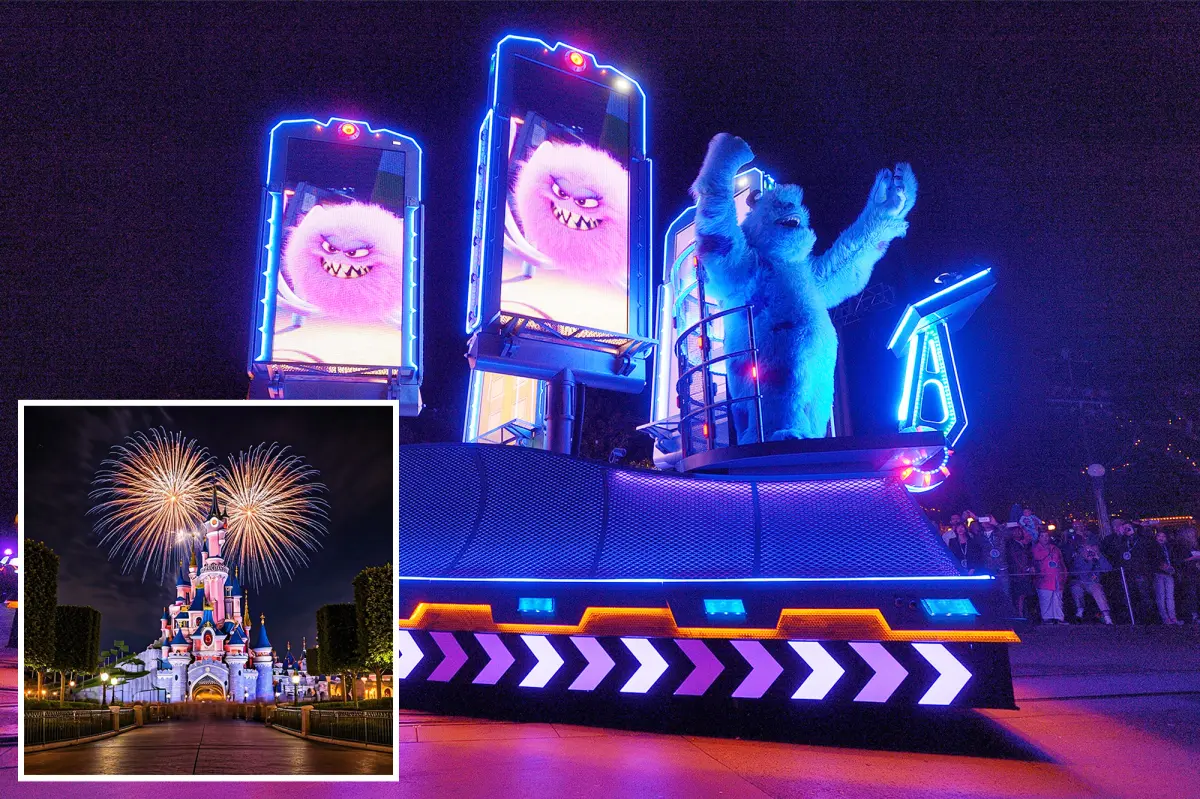
There is a unique, almost therapeutic magic that descends upon Disneyland just as the blazing Southern California sun begins to slip beneath the horizon. The oppressive daytime heat gently yields to a cool, salty breeze rolling in from the Pacific, and the harsh glare of noon is replaced by the soft, warm glow of thousands of twinkling fairy lights draped over Sleeping Beauty Castle. For generations of families, walking down Main Street, U.S.A., amidst the sweet aroma of fresh popcorn and the distant, nostalgic whistle of the Disneyland Railroad has been a sacred rite of passage—a fleeting escape from the relentless pressures of the real world into a realm where dreams supposedly come true. Yet, in recent years, a looming shadow has cast itself over this happiest of places, as the skyrocketing cost of admission has transformed a once-accessible family tradition into an expensive luxury reserved only for those with significant disposable income. With single-day ticket prices regularly climbing past the hundred-dollar threshold and occasionally soaring up to a staggering two hundred dollars during peak holiday seasons, many working-class families and devout Disney enthusiasts have found themselves locked out of the magic, watching from afar as their beloved childhood park becomes an exclusive playground. In an unexpected move that addresses this growing financial divide, Disneyland has recently unveiled one of its most affordable and intriguing promotions in recent memory: a bargain-priced, limited-time evening ticket. Priced at just fifty-nine dollars, this newly minted ticketing option offers visitors a rare, double-digit cost of entry, promising five hours of pure whimsical adventure before the park gates close for the night, signaling a fascinating shift in how the entertainment giant attempts to balance its high-end corporate ambitions with the realities of its budget-conscious fan base.
To take advantage of this rare, budget-friendly opportunity, eager visitors must navigate a highly specific set of parameters that govern when and where they can experience this twilight magic. These newly introduced bargain tickets officially went on sale and are strictly valid for mid-week evening excursions from Sunday through Wednesday, spanning a brief and highly sought-after summer window from July 12 through August 5. However, this deep discount comes with a major catch: your entry into the park is restricted to a very precise, time-limited window that forces guests to be incredibly strategic with their night. For those who choose to spend their evening within the historic boundaries of the original Disneyland Park, the turnstiles will not turn and the gates will not swing open until exactly seven o’clock in the evening, giving guests a race against the clock until the park’s traditional midnight closing time. Conversely, if you opt to spend your twilight hours at Disney California Adventure, the park offers a slightly more generous head start, allowing evening-ticket holders to enter at five o’clock in the afternoon, grant them a front-row seat to a spectacular California sunset reflecting off the glistening waters of Pixar Pier. When you break down the financial math of this fifty-nine-dollar ticket over the course of a five-hour visit, it works out to a remarkably reasonable rate of approximately twelve dollars per hour. This hourly rate represents an incredible bargain when compared to the steep, all-day prices of standard tickets, making it a highly attractive proposition for local residents who are looking to injected a healthy dose of magic into a mundane Tuesday night without completely emptying their savings accounts.
As soon as the news of this evening ticket hit the internet, Disney communities and social media platforms erupted in a lively, fascinating debate that highlighted the complex, deeply emotional relationship fans share with the park. On forums like Reddit, a wave of genuine enthusiasm washed over local Southern Californians, Disney bloggers, and casual parkgoers who viewed the fifty-nine-dollar evening pass as the perfect excuse to enjoy a low-stakes, stress-free visit. Many fans expressed a sense of relief at the prospect of not having to conquer the entire park in a grueling, fourteen-hour marathon under a punishing summer sun just to feel like they got their money’s worth. One enthusiastic user passionately shared that they honestly preferred visiting Disneyland in the evening anyway, describing the simple pleasure of grabbing a warm churro, sitting on a bench near the Hub, and soaking in the ambient music and dazzling light displays without any pressure to rush from ride to ride. Others quickly pointed out that this ticket is an absolute godsend for solo travelers looking for a quick escape, business professionals attending conventions at the nearby Anaheim Convention Center who want a fun post-meeting activity, or romantic couples searching for a memorable date night under a canopy of fireworks and neon lights. For these supporters, the evening ticket represents a refreshing Return to a simpler, more casual era of theme-spark attendance, where a visit to Disneyland didn’t require a military-grade strategic plan, multiple mobile app reservations, and a massive financial investment, but could instead be treated as a spontaneous, delightful evening escape.
However, beneath the initial wave of excitement, a parallel current of vocal skepticism and sharp criticism emerged online, capturing a widespread frustration with the broader economic realities of modern theme parks. Many critics argued that the fifty-nine-dollar promotion, rather than being a generous gift to loyal fans, actually shines a harsh, glaring spotlight on just how insanely expensive and inaccessible a standard day at Disneyland has become for the average American family. On platforms like X, disgruntled commentators were quick to point out what they perceived as a clever clever strategy of “shrinkflation” repackaged as a stellar deal, arguing that instead of making a full, immersive day at the park more affordable, Disney is simply selling visitors significantly fewer hours for slightly less paper money. These skeptics suggested that the promotion operates on a subtle psychological trick: because the standard ticket prices have been inflated to such astronomical levels, a severely restricted five-hour evening ticket suddenly looks like an absolute steal in comparison, when in reality, guests are still paying a premium for a highly compressed experience. For middle-class parents who dream of taking their children to meet Mickey Mouse but are priced out of a weekend trip, this evening ticket does little to alleviate the financial burden of hotel stays, parking fees, dining, and merchandise, leaving some to feel that the company is merely offering breadcrumbs to those who can no longer afford the full feast of a classic Disney vacation.
For those who do choose to purchase the ticket, the limited five-hour window transforms a casual trip to the coast into a thrilling, high-stakes game of time management and strategy that requires guests to maximize every single minute of their visit. If you select Disney California Adventure with its five o’clock entry, your strategy might revolve around rushing straight to Cars Land to witness the stunning evening lighting ceremony, where the iconic Route 66 neon signs flicker to life to the tune of “Sh-Boom,” before heading over to queue up for the adrenaline-pumping Radiator Springs Racers as dusk settles over the desert canyon. Meanwhile, those choosing the seven o’clock entry at the original Disneyland Park must navigate a much tighter schedule, perhaps opting to bypass the long, daytime lines of Fantasyland in favor of a nighttime journey through the dark, immersive bayous of Pirates of the Caribbean or a thrilling, star-studded launch into the darkness of Space Mountain. This condensed timeframe forces a delightful focus on the essentials: instead of wasting time waiting in three-hour queues, visitors must master the art of mobile food ordering to snag a Dole Whip on the run, closely monitor wait times via the Disneyland app, and prioritize the unique sensory pleasures that can only be experienced after dark, such as the glowing lights of the outdoor track of Big Thunder Mountain Railroad or the ethereal, misty atmosphere surrounding the Millenium Falcon in Star Wars: Galaxy’s Edge. Rather than a drawback, this fast-paced, high-energy race against the clock can turn a routine amusement park visit into a memorable, action-packed adventure that captures the hearts of coaster junkies and Marvel fans alike.
Ultimately, Disneyland’s introduction of the fifty-nine-dollar evening ticket is far more than a simple summer marketing promotion; it is a fascinating case study in how one of the world’s most iconic entertainment brands is attempting to navigate a changing cultural and economic landscape. In an era structured by high inflation, rising costs of living, and a growing consumer weariness toward premium pricing, this limited-run offering represents a creative, tactical middle ground that attempts to appease frustrated fans while still protecting the park’s primary pricing structure. Whether you view this discount ticket as a brilliant, accessible opportunity to experience a summer evening of pure whimsy on a budget, or as a calculated, corporate maneuver designed to monetize the final hours of the park day, there is no denying the enduring, emotional pull of the Disneyland brand. As the park’s nightly fireworks show bursts into a brilliant kaleidoscope of colors above Sleeping Beauty Castle, illuminating the upturned, smiling faces of thousands of guests standing shoulder-to-shoulder in the cool night air, it becomes clear that the magic of Disney still holds a powerful sway over our collective imagination. For those who choose to step through the turnstiles this summer under the cover of dusk, those precious five hours might just provide the perfect, affordable dose of joy, reminding us that sometimes, even a short time spent in a world of pure fantasy is worth every single penny.