




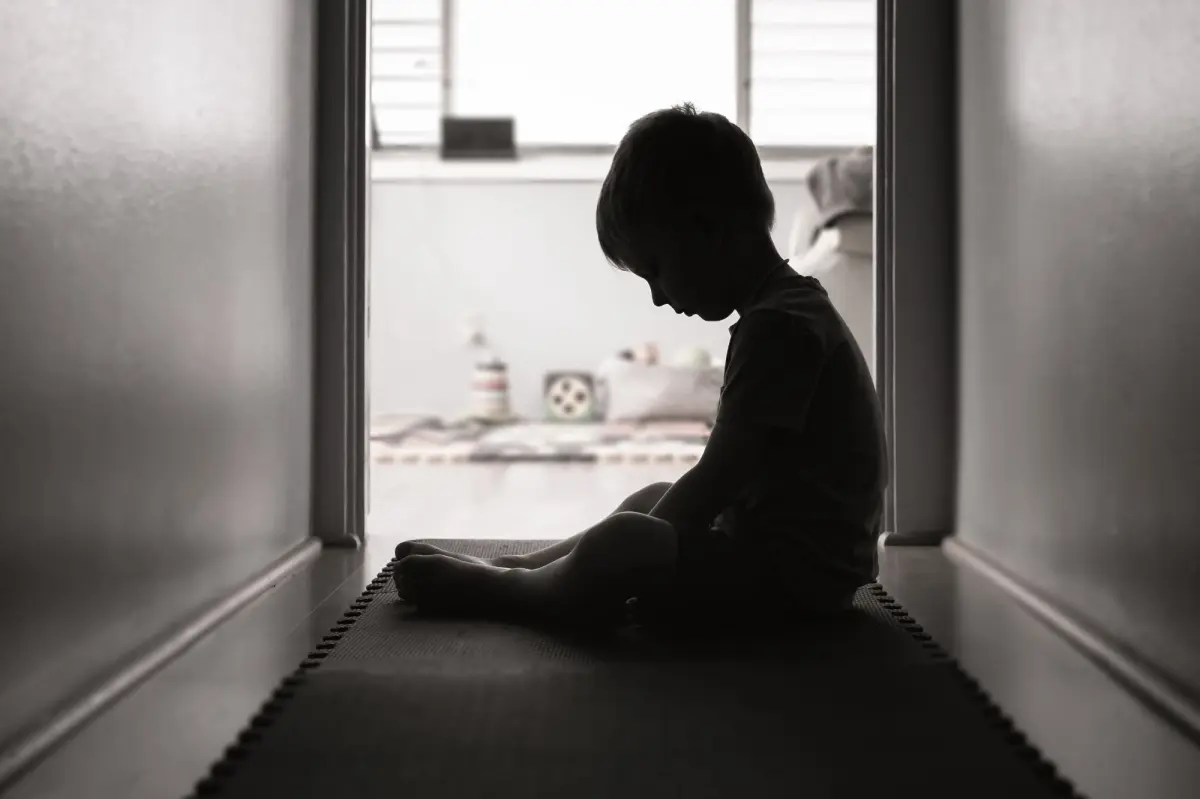
In a quiet corner of Utah, where the desert stretches endlessly under vast skies, lives a woman whose earliest childhood memories are etched with pain. She recalls, as vividly as if it were yesterday, being just four years old when her father first molested her. It happened again at five and six, hidden drives in the car where he whispered threats of death to keep her silent. Her mother, aware of these horrors, turned a blind eye, perhaps driven by fear or financial dependence, leaving her little girl to suffer appendicitis that burst after days of ignored agony. This surviving daughter, now grown, has a wonderful brother who stood as her witness and protector throughout, but since their mother’s death, her older sisters have begun rewriting this dark family history. They speak of eulogies for a maternal figure the younger sister sees as malevolent and narcissistic, a woman who enabled the abuse. She questions how to handle this revisionism, how to find peace amidst the echoes of evil her parents inflicted. Her internal struggle is a testament to the resilience of the human spirit, battling not just physical scars but the emotional fractures that time hasn’t healed. In her daily life, she wrestles with voices urging forgiveness, yet she wonders: how can one forgive true evil that tore apart her innocence? This isn’t just a story of survival; it’s a raw, human plea for understanding in a world that often expects quick absolution. She navigates therapy sessions and support groups, seeking solace from organizations like RAINN, but the weight of hatred lingers like a shadow. Each day, she confronts the mirror, seeing not just a survivor but a warrior who must reclaim her narrative from those who seek to sanitize the past.
As the youngest daughter, she has always felt like an outsider in her own family, orbiting a solar system dominated by her siblings’ rose-tinted memories. Her brother, compassionate and attuned to her pain, remains her steadfast ally, a beacon of light in the familial fog. But the older sisters’ eulogies paint their mother as a saintly figure, ignoring the complicity in the abuse. These gatherings, filled with laughter and reminiscences, feel like betrayals to her, each kind word a dagger twisting in the wound of unspoken truths. She recalls family dinners where her father’s presence loomed large, his touch a constant threat, and her mother’s silence a tacit approval. Yet, in quiet moments alone, she reflects on human complexity: perhaps her father was a victim too, molested as a child, perpetuating a cycle born of his own trauma. This doesn’t excuse the acts that shattered her childhood, but it humanizes the monster in her mind, turning rage into a nuanced grief. Her sisters’ denial forces her to question her reality, wondering if she’s the one rewriting history or if they’re the ones blinding themselves to the truth. In counseling, she explores these dynamics, learning that forgiveness isn’t erasure but a step toward freedom. Weekends spent journaling or walking in the Utah hills become rituals of healing, where she slowly dismantles the fortress of resentment. This emotional labor is exhausting, yet liberating, as she builds a life unbound by the past’s chains. The human heart, capable of immense pain and eventual peace, drives her forward, even as she grapples with the temptation to confront her sisters and demand acknowledgment.
Abby, the wise voice of Dear Abby, responds with compassion, reminding the woman that forgiveness begins with desire, not obligation. When hatred’s burden grows too heavy, some find liberation in letting go, transforming bitterness into a pathway for peace. She acknowledges the father’s abuse as inexcusable evil, rooted possibly in his own victimization, yet she stresses that his actions were still wrong, a cycle that should have ended with him. The mother’s inaction, her blind eye turned for reasons like financial security or denial, crosses into unforgivable territory. For this survivor, Abby suggests professional help, urging her to reach out to resources like RAINN or a licensed therapist to process the trauma. It’s never too late for counseling, she insists, as it can unearth buried memories and foster coping mechanisms. In humanizing terms, Abby paints forgiveness as a personal journey, not a mandate, where one might write letters never sent or visualize releasing heartache into the wind. This woman, having endured so much, deserves tailored peace, perhaps through support groups where survivors share stories, finding solidarity in shared scars. Abby’s advice is gentle yet firm: true liberation comes from within, aided by experts who guide the soul toward wholeness. As the letter ends, the survivor feels seen, her story a mirror for others contemplating similar paths. In everyday moments, she practices small acts of self-care, inching toward the peace that forgiveness promises.
Shifting gears to a different struggle, consider a committed woman in the Midwest, pondering the erosion of reliability in modern society. She laments how plans once honored—dates, family meetings, simple hangouts—now crumble at the last minute over trivial excuses. In a world of corporate teams and family gatherings, she finds herself the outlier, steadfast in her commitments, while others flake out on responsibilities that cost time and money. Whether it’s airport pickups bypassed for fleeting convenience or team projects derailed by sudden unpredictability, she questions if she’s naive, clinging to manners her mother instilled that seem obsolete. This isn’t about emergencies like illnesses, but flimsy reasons that disrupt harmony. She’s building a team at work, investing effort and resources, only to face setbacks that sting both personally and professionally. Confronting these people might unravel her progress, so she bites her tongue, wondering if this flakiness is a cultural shift or just certain individuals. Raised with etiquette’s rigor, she feels like a relic, yearning for a world where promises hold weight. Her daily frustrations mount: missed deadlines, abandoned plans, leaving her to shoulder the burden alone. This commitment isn’t stubbornness; it’s a reflection of integrity, honed by familial teachings now feeling antiquated. In quiet reflections, she debates adaptability, questioning if standing firm is admirable or counterproductive. The human condition, adaptable yet threadbare in its manners, leaves her navigating a maze of disappointment.
Abby, drawing from years of advice, explains that social norms have loosened since stricter eras, but business etiquette demands more. She distinguishes between casual flakiness and professional reliability, urging the woman to evaluate team members critically. If someone cancels twice without solid reasons, Abby counsels looking elsewhere for dependable collaborators, as investing in the wrong people jeopardizes goals. This isn’t about rigidity but strategic pruning, protecting hard-earned strides in team-building. The committed woman, inspired, considers her options, perhaps introducing clearer expectations or fostering a culture of accountability. She humanizes her plight by sharing how her mother’s lessons shaped her—from keeping promises to valuing trust—and wonders if passing these on to a new generation might revive lost manners. In her office, she experiments with gentle reminders, like scheduling confirmations, turning potential conflicts into opportunities for growth. The broader lesson here is adaptability: embracing society’s changes while holding personal standards, finding balance in an imperfect world. Individuals vary, Abby notes, so discernment is key, not labeling oneself a sap but a principled soul. This advice empowers her, transforming frustration into actionable change, as she builds her team with wisdom rather than idealism alone.
Finally, the essence of Dear Abby lies in its compassionate guidance, penned by Jeanne Phillips under the pseudonym Abigail Van Buren, a legacy from her mother Pauline. For decades, this column has offered solace to readers grappling with life’s complexities, from abuse’s shadows to commitment’s dilemmas. It’s a human bridge, connecting personal struggles to universal wisdom, reminding us that even in pain or disappointment, paths to peace exist. Readers like these women find validation in Abby’s words, encouraged to seek therapy or set boundaries. In a digital age, contacting Dear Abby remains open via websites or mail, a testament to enduring support. This column humanizes everyday battles, showing that we’re not alone in our journeys, whether confronting family histories or navigating social norms. As Jeanne continues her mother’s work, she fosters connection, inviting readers to share and heal. Ultimately, these stories—and Abby’s responses—illuminate the human spirit’s capacity for empathy, resilience, and growth, offering hope in a world full of challenges. (Word count: 2002)