






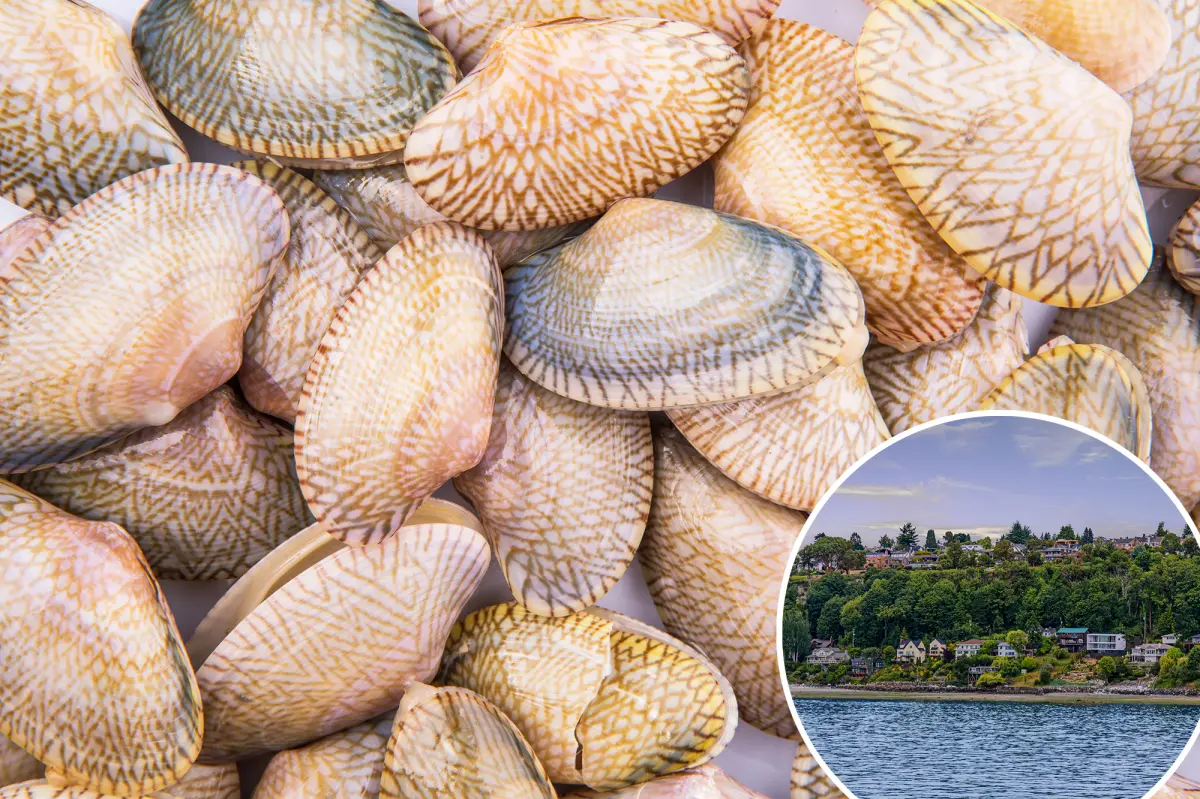
Something deeply unsettling is unfolding beneath the waves of the Pacific Northwest, where legions of soft-shell clams are currently facing a quiet but devastating crisis. Scientists have sounded the alarm over a highly contagious, lethal cancer known as bivalve transmissible neoplasia, which is rapidly sweeping through clam populations along the West Coast. Unlike the cancers we are familiar with in humans, which originate and end within a single individual, this bizarre marine disease behaves more like an infectious pathogen. It spreads when living, rogue cancer cells detach from an infected host and drift through the cold seawater until they find a new, unsuspecting clam to colonize. While this transmissible cancer had previously been documented in soft-shell clams along the Atlantic Coast, its sudden arrival in the Pacific marks a troubling ecological first, signaling that the ocean’s delicate balance is shifting in unexpected ways.
The scale and speed of this outbreak have stunned the scientific community, particularly within the scenic, chilly waterways of Washington state’s Puget Sound. When researchers first detected the disease in 2022, a worrying 45% of the local soft-shell clam population was already infected. Shockingly, that number surged to over 75% in just two short years, representing one of the most severe wildlife cancer outbreaks ever recorded. This rapid transmission is especially concerning because clams are the unsung heroes of the marine world; they act as nature’s water purifiers by filtering out plankton and harmful bacteria. Their decline threatens to trigger a chaotic domino effect throughout the entire coastal ecosystem. To make matters more complex, science has revealed that these West Coast clams are actually descendants of Atlantic populations introduced in the 1870s, and they have since hybridized with a Japanese cousin, Mya japonica. Intriguingly, early data suggests this Japanese lineage might harbor a natural resistance to the cancer, offering a glimmer of hope and a vital blueprint for researchers studying genetic immunity.
Among the many anxieties surrounding this outbreak, food safety is a natural first concern for seafood lovers, given that Washington’s premium shellfish are prized by top-tier restaurants nationwide. Fortunately, health experts offer strong reassurance: this transmissible cancer is strictly a marine phenomenon and poses absolutely no risk to human health, meaning the clams remain entirely safe to eat. However, the human element of this story is more about our impact on their survival than theirs on ours. Michael Metzger, Ph.D., a lead researcher at the Pacific Northwest Research Institute, suspects that the disease did not travel across the continent on its own. While the exact path remains a mystery, the most likely culprit is human-assisted transport—perhaps an accidental shipment of an infected Atlantic clam or the discharge of bilge water carrying the microscopic cancer cells. This realization highlights how seamlessly human commerce can transport invisible, ecological disruptions across vast distances.
Beyond this contagious leukemia-like disease, West Coast shellfish are battling a barrage of environmental stressors that have left them incredibly vulnerable. The overarching shadow of climate change, rising ocean temperatures, pollution, and ocean acidification are actively stripping these creatures of their natural resilience. We saw the grim reality of this vulnerability in 2021, when a historic, blistering heatwave struck the Pacific Northwest, essentially cooking millions of clams and oysters alive right on the beaches. Marine biologists warn that when clams are chronically stressed by warming, toxic waters, their immune systems falter, making it infinitely easier for diseases like bivalve transmissible neoplasia to take hold and decimate entire beds. This tragic synergy between pollution and wildlife disease is not unique to shellfish either; scientists have previously linked a devastating cancer epidemic in California’s sea lion populations to a combination of herpes and banned, toxic industrial chemicals dumped in the ocean.
As scientists scramble to understand this outbreak, they are operating with a mix of urgency and patience. While there is a looming threat that the cancer could eventually migrate further south to Oregon and California, experts currently evaluate that immediate risk as relatively low. Because researchers caught this epidemic in its infancy on the West Coast, they have been handed a rare, invaluable window of opportunity. They may not possess the tools to stop a microscopic cancer from spreading through the vast Pacific Ocean, but they can closely document how wild populations adapt, fight back, and potentially evolve resistance in real-time. This living laboratory could unlock profound secrets about how transmissible cancers—which are exceptionally rare in the animal kingdom, save for Tasmanian devils and certain canine diseases—emerge, mutate, and eventually burn themselves out in the wild.
Yet, as if a deadly cancer were not enough, the Washington shellfish industry is simultaneously dodging other public health hurdles, reminding us how closely our health is intertwined with the ocean’s. Just this past spring, the Food and Drug Administration had to issue a swift recall on raw oysters and Manila clams harvested in Washington due to a norovirus contamination. The virus, which causes severe stomach flu in humans, led to a multi-state health scare and disrupted supply chains from California to New York. Unlike the clam cancer, which only hurts the shellfish, the norovirus outbreak was a direct threat to human consumers, illustrating the double-edged sword of modern seafood harvesting. Ultimately, the plight of the soft-shell clam is a loud wake-up call; whether dealing with toxic viruses or transmissible cancers, the health of our oceans is directly reflected in the health of the creatures who call it home, and their struggle for survival is one we cannot afford to ignore.