



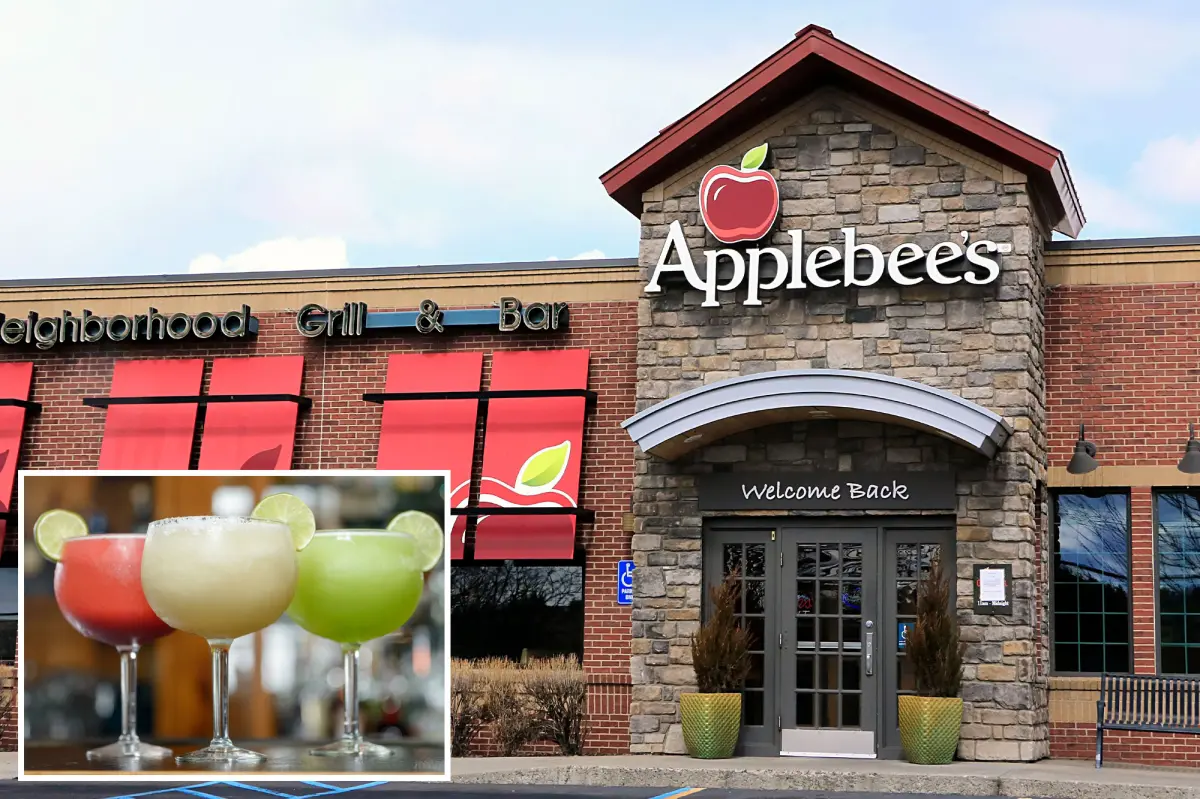
The blistering summer heat has a way of making us long for the simple, comforting pleasures of the past, and this July, Applebee’s is answering that collective yearning with the return of its most famous and beloved promotion. Starting on the first of the month and running through the very end of July, the legendary “Dollarita” is making its triumphant comeback at participating locations nationwide for dine-in customers aged twenty-one and older. Crafted from a straightforward, refreshing blend of tequila, triple sec, and tart lime juice, this iconic cocktail is priced at an astonishing one single dollar before tax and gratuity. For many, the return of this wallet-friendly beverage is not just an opportunity to enjoy a cheap drink, but a direct invitation to escape the heavy, collective weight of modern financial anxiety. In a world where a basic cup of coffee can easily push past five dollars and a night out with friends has increasingly become an expensive luxury, the Dollarita represents a rare pocket of absolute accessibility. It is a nostalgic throwback to an era when gathering with loved ones did not require careful financial planning, allowing people to simply walk through those familiar glass doors, slide into a cozy booth, and order a round of cold drinks without a second thought. By tapping into this deep-seated desire for affordable indulgence, Applebee’s is attempting to transform a simple menu item into a nationwide celebration of community, offering a vibrant, budget-friendly oasis during the hottest days of the year.
However, behind the bright, neon-colored marketing and the cheerful clinking of glasses lies a much more complex and urgent economic narrative for the legacy casual dining chain. The physical restaurant industry is currently navigating a quiet, sustained storm, with changing consumer habits, skyrocketing real estate costs, and persistent inflation squeezing margins to their absolute limits. In this challenging landscape, the return of the Dollarita is not merely a generous gift to loyal patrons, but a highly calculated, strategic lifeline designed to jumpstart foot traffic and revitalize a struggling business model. When families and friend groups are forced to tighten their belts, sit-down dining is often the first discretionary expense to be trimmed from the household budget. By offering an almost unbelievably cheap alcoholic beverage, Applebee’s parent company, Dine Brands, is leveraging a classic retail strategy known as a “loss leader”—an inexpensive, high-draw item meant to pull crowds into the restaurant with the expectation that they will eventually purchase full-price appetizers, entrees, and desserts once they are settled at the table. This promotional dance highlight the delicate balance casual dining chains must strike today: they must find creative, dramatic ways to prove their value to cash-strapped consumers while simultaneously generating enough secondary revenue to keep their kitchens open and their staff employed.
To truly understand why this drink holds such a special place in the hearts of American consumers, one must look back at its storied history and the unique cultural phenomenon it created when it first debuted on menus in 2017. The Dollarita was an instant, explosive success, quickly transcending its status as a simple restaurant promotion to become a bona fide cultural touchstone, appearing across countless social media memes, viral TikTok videos, and late-night jokes. It represented the ultimate democratic luxury—an alcoholic drink that cost less than a pocketful of loose change—and it fostered a lively, festive atmosphere in suburban shopping plazas across the country. Yet, as the year 2020 ushered in unprecedented global disruptions, the promotion was quietly pulled from the menu, leaving fans longing for its return and transforming it into a nostalgic legend of a bygone era. Over the subsequent years, Applebee’s occasionally teased their audience with brief, highly publicized revivals of the promotion, keeping the brand active in the public consciousness. In its current iteration, the chain is doubling down on this value-centric identity by pairing the Dollarita with another massive promotional heavyweight: their ongoing fifteen-dollar-and-ninety-nine-cent all-you-can-eat deal, which promises endless plates of boneless wings, riblets, double crunch shrimp, and hot French fries. This aggressive combination of bottomless food and dollar drinks represents a full-scale offensive in the casual dining wars, designed to make eating out feel like an accessible, incredibly high-value experience once again.
Despite these grand, headline-grabbing marketing efforts, the harsh physical and financial realities of running a massive restaurant franchise in the modern era cannot be ignored, as Applebee’s has faced a painful wave of closures this year. In Calexico, California, a long-standing location was recently forced to shutter its doors permanently after its lease expired, following several desperate attempts to stay afloat through various promotions and strategies that ultimately failed to bring in enough consistent traffic to cover rising operational expenses. This heartbreaking scene has been repeated in communities across New York, Illinois, and Indiana, where local residents have had to bid farewell to their neighborhood neighborhood grills, leaving empty storefronts in places that once buzzed with local life. The financial strain has reached all the way to the executive level, with a major franchise partner operating in the Southeast recently filing for Chapter 11 bankruptcy protection. This corporate restructuring led to the sudden, permanent closure of ten distinct locations across Georgia and Florida, highlighting how thin the margins have truly become for individual operators who must bear the direct brunt of rising labor costs, expensive supply chains, and fluctuating customer numbers. These closures serve as a sobering reminder that even the most iconic American brands are not immune to the tectonic shifts occurring in the retail and dining sectors, illustrating the profound pressure on leadership to find sustainable, long-term avenues for growth.
In response to these systemic vulnerabilities, parent company Dine Brands is looking far beyond temporary drink deals and is actively pioneering a bold, structural transformation of their physical footprint through the development of dual-branded restaurants. This innovative corporate strategy involves housing both Applebee’s and IHOP under a single, shared roof, allowing a single kitchen and cross-trained staff to serve two entirely different customer bases throughout the course of a single day. By merging these two historic brands, the company can maximize real estate efficiency, capture breakfast lovers craving pancakes in the morning speed, feed lunch crowds, and then seamlessly transition into a lively neighborhood bar serving Dollaritas late into the warm summer night. This hybrid model drastically reduces the overhead costs associated with maintaining two separate properties, simplifies supply chains, and provides a highly diverse, all-in-one dining destination that appeals to multiple generations and taste preferences. While the concept of a suburban pancake house sharing a direct wall and kitchen with a neighborhood cocktail lounge might seem unusual at first glance, it represents the exact kind of creative, out-of-the-box thinking required to survive in an era where traditional restaurant models are rapidly becoming obsolete. It is a testament to the brand’s determination to adapt, evolve, and remain a central fixture of the American culinary landscape for decades to come.
Ultimately, the grand return of the Dollarita reminds us of the deeply human, social essence that sits at the very heart of the casual dining experience. In an digital age where we are increasingly isolated behind screens and food is routinely delivered to our doorsteps in quiet brown paper bags, the physical restaurant remains one of the last remaining spaces where people can come together to share physical space, stories, and laughter. For decades, the local neighborhood grill has served as an essential sanctuary for middle-class America—a vibrant, welcoming stage for high school victory dinners, nervous first dates, loud family reunions, and casual post-work wind-downs with coworkers. By offering a drink that costs only a single dollar, Applebee’s is gently lowering the barrier of entry to this shared communal space, extending a warm and highly affordable invitation to everyone, regardless of their financial circumstances, to pull up a chair and participate in the collective joy of a night out. In a world that can often feel increasingly expensive, fragmented, and fast-paced, sometimes a simple glass of tequila and lime, served with a friendly smile at a local bar, is exactly what we need to slow down, reconnect with our neighbors, and raise a glass to the simple, enduring beauty of human connection.