



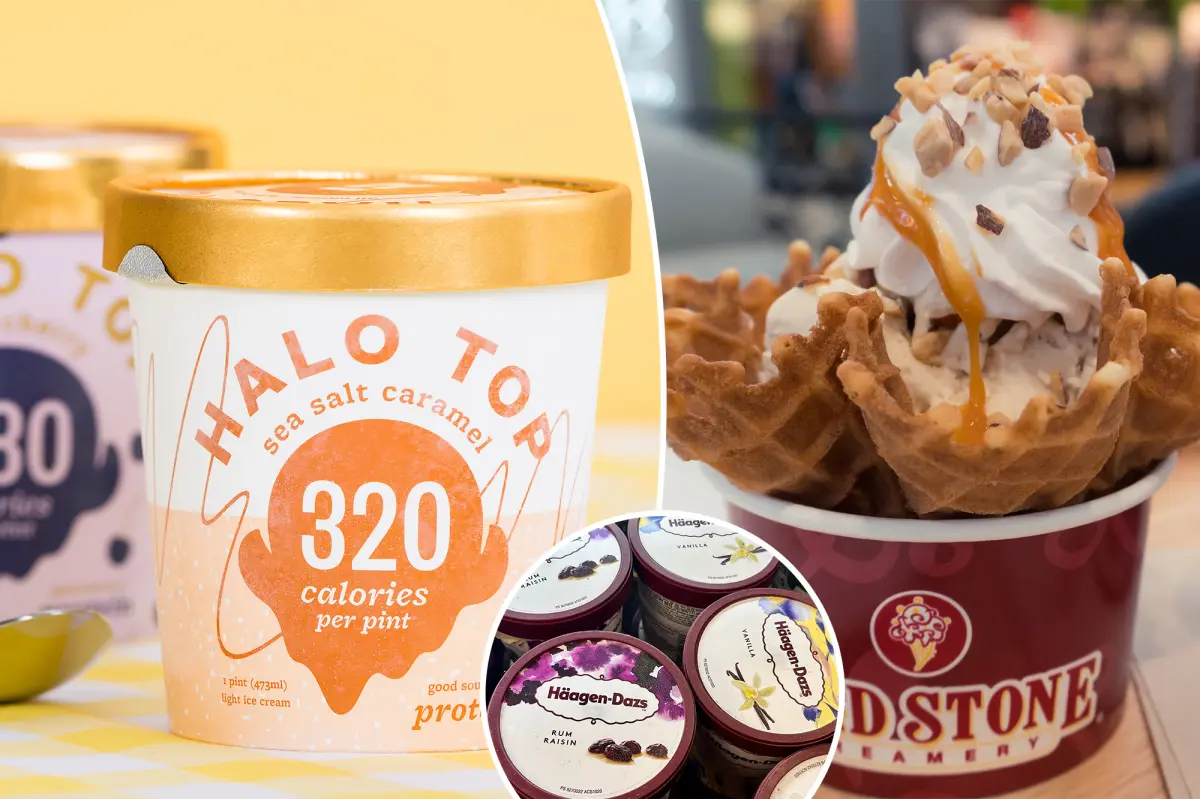
When National Ice Cream Month rolls around each July, Americans naturally begin daydreaming about their favorite frozen desserts. However, a fascinating shift is occurring in how we search for these icy treats online. According to a comprehensive study by Innerbody Research, which analyzed Google search trends across all fifty states and Washington, D.C., Halo Top emerged as the absolute most-searched ice cream brand in the country. This quirky, unconventional brand has captured the public’s curiosity by completely flipping the traditional dessert marketing playbook on its head. Instead of tucking nutritional information away in tiny print on the back of the carton, Halo Top boldly plasters its low calorie counts right on the front, offering a protein-rich, low-sugar alternative that appeals directly to wellness-minded shoppers.
This sudden surge in digital curiosity reflects a broader cultural shift. Food scientists point out that our internet search bars often serve as a mirror for our deepest daily anxieties, especially regarding health and indulgence. We live in an era increasingly defined by GLP-1 weight-loss medications and a heightened focus on wellness, where consumers are constantly searching for ways to enjoy their favorite comfort foods without a side of regret. Halo Top’s promise of “guilt-free” indulgence satisfies a very modern craving for portion-controlled, protein-forward snacks. While legacy giants like Breyers, Blue Bunny, and Turkey Hill still dominate actual retail supermarket sales, Halo Top is winning the battle for our curiosity because it promises the ultimate dream: all of the pleasure of dessert with none of the traditional consequences.
The desire for healthier desserts certainly isn’t new—anyone who remembers the massive frozen yogurt craze of decades past can attest to that. What actually makes this modern era different is the sophistication of food science. In the past, choosing a low-fat or low-sugar ice cream usually meant enduring a gritty texture, strange chemical aftertastes, or frustrating ice crystallization. Today, food technology has advanced to the point where manufacturers can recreate the rich, creamy mouthfeel of premium ice cream while keeping the calorie count remarkably low. This marriage of science and culinary artistry allows consumers to enjoy a product that feels incredibly close to the full-fat, traditional indulgence they grew up loving.
Beyond the science in the lab, savvy marketing and the power of social media have played an undeniable role in fueling this frozen dessert phenomenon. Modern consumers are continuously inundated with vibrant, eye-catching video content on platforms like TikTok and Instagram. A single viral video showcasing an inventive recipe, a unique flavor review, or a grocery store haul can instantly spark curiosity in millions of viewers who may have never noticed the brand on their local store shelves before. Ice cream remains America’s ultimate comfort food, with a staggering ninety-seven percent of the population admitting they love it, and the average American consuming nearly twenty pounds of it every single year. Because it is such a deeply ingrained part of our lifestyle, we are naturally highly motivated to find brands that let us indulge frequently without feeling like we are compromising our health goals.
However, experts caution that we shouldn’t let clever marketing entirely replace common sense when reading food labels. Just because a package claims a product is “natural” or “high-protein” does not automatically mean it is entirely risk-free or universally healthy. True nutritional value is determined by the complex chemistry of the ingredients during the formulation stage, not by attractive buzzwords printed on the box. Many light ice creams rely heavily on sugar alcohols like erythritol to keep calorie counts low while maintaining sweetness. While these ingredients are incredibly useful for reducing sugar, they require a discerning eye from consumers who want to truly understand what they are putting into their bodies.
While some recent scientific studies have raised questions about sugar substitutes, health professionals advise consumers to stay calm and simply stay informed. Some clinical research has suggested potential links between high levels of certain sweeteners in the bloodstream and cardiovascular risks, but these findings often involve specific, at-risk patient groups rather than the average person enjoying an occasional evening treat. Ultimately, the rise of protein-packed, low-calorie ice cream highlights our ongoing human quest to balance health with pure joy. By staying mindful of ingredients and enjoying these modern treats in moderation, we can happily satisfy our sweet tooth while keeping our wellness goals firmly on track.