



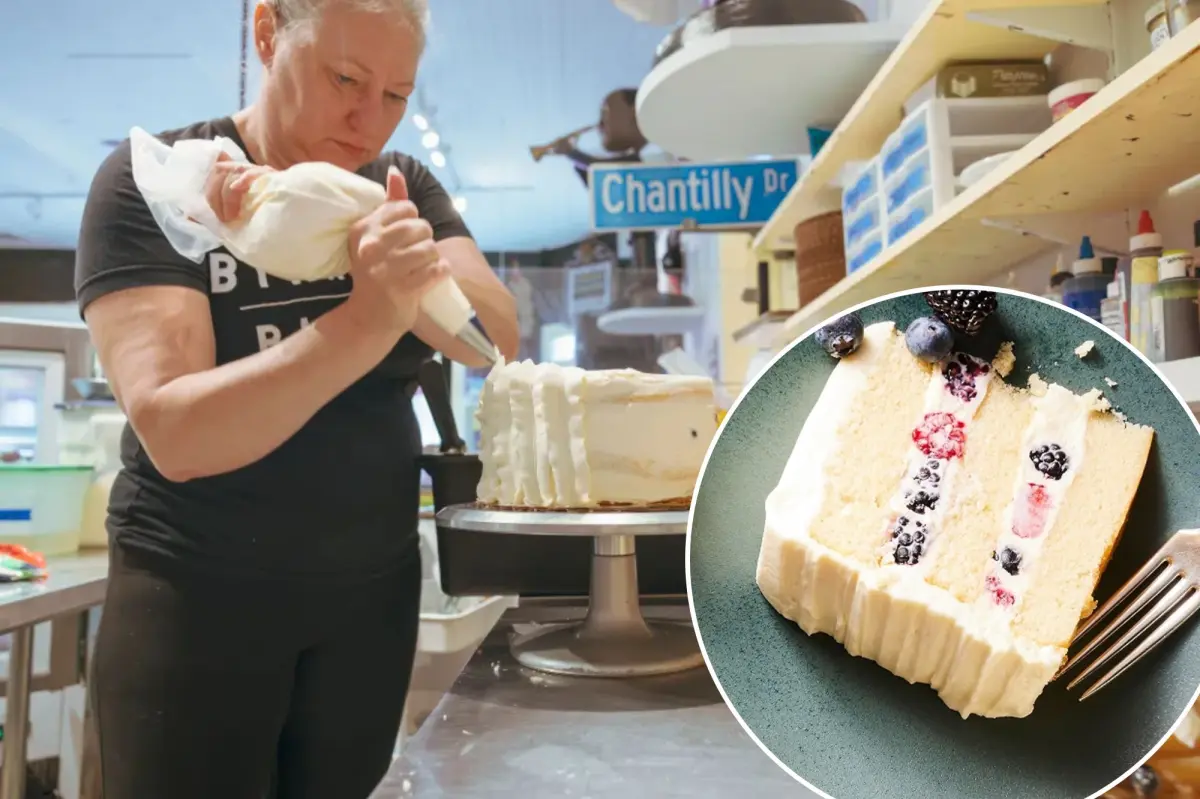
In an era where consumer loyalty is notoriously fickle and food trends flicker out as quickly as they ignite on social media, there exists a quiet, sweet anomaly nestled within the bakery display cases of Whole Foods Market. This anomaly is the Berry Chantilly Cake, a dessert that has transcended its humble grocery-store origins to become a genuine cultural phenomenon, celebrated with the kind of religious fervor typically reserved for rare fashion drops or cult-classic films. Visually, the cake is a masterclass in understated elegance, boasting layers of delicate, melt-in-your-mouth vanilla sponge, lavishly coated in a cloud-like, whipped Chantilly cream frosting and crowned with a vibrant array of fresh, glossy berries. It is a dessert so deeply woven into the celebratory tapestry of its customers’ lives that it regularly makes appearances at birthdays, graduation parties, and even high-profile weddings, where couples proudly cut into its fluffy layers instead of a traditional, multi-tiered fondant creation. Whole Foods itself affectionately refers to the cake as a “cult favorite,” a claim backed up by legendary lore of loyal patrons who have stood patiently in grueling lines during power outages and impending natural disasters, refusing to face the elements without a slice of this comforting, creamy masterpiece.
The digital landscape offers a sprawling, enthusiastic testament to this collective obsession, with online forums serving as virtual shrines to the dessert’s irresistible charm. On platforms like Reddit, search queries inquiring whether the Berry Chantilly Cake lives up to its astronomical hype are met with an immediate, overwhelming wave of defense, with users passionately declaring the cake to be “magic” and “GOATed” (Greatest of All Time). One user shared that they selected it as their official wedding cake, only wishing they had been less busy so they could have eaten more of it, while another recalled eating a slice at a birthday party and jokingly wondering if they had died and gone to heaven. The sheer versatility of the cake is another major selling point, with fans delighting in its diverse sizing options, which range from majestic full-sized cakes for grand celebrations to half and quarter sizes, as well as giant and mini cupcakes designed for solitary moments of pure indulgence. On TikTok, the adoration is equally palpable, with prominent food reviewers like @leiahwithdacamry praising its balanced flavor profile—describing it as “healthy almost, but still sweet and good”—before issuing an urgent, public service announcement to her followers that anyone with a Whole Foods nearby must try it immediately.
To fully understand how a single cake captured the hearts of millions, one must trace its roots back to its warm, Southern origins in the historic city of New Orleans, Louisiana. According to Whole Foods’ official history, the legendary recipe made its grand debut over two decades ago at the Arabella Station store, born from the creative culinary mind of a talented bakery team member named Chaya Conrad. Drawing deep inspiration from a cherished recipe passed down by her grandmother, Conrad formulated a sophisticated yet deeply nostalgic cake that paired a light, airy sponge with a rich, mascarpone-infused Chantilly cream that perfectly balanced the tartness of fresh blackberries, blueberries, raspberries, and strawberries. The creation was an instantaneous local sensation, quickly spreading like wildfire across other Southern branches before the Food Network and national distributors took notice, prompting Whole Foods to roll the recipe out to all of its locations nationwide. Today, it stands proud as the single top-selling cake in the entire company’s history, proving that the comforting, timeless magic of generational home baking can triumph over modern, highly processed commercial desserts.
As the cake’s legendary status grew, its flavor profile began to migrate into other culinary avenues, capturing the imaginations of both the supermarket’s product developers and creative home cooks who sought to recreate its magic. The internet is flooded with elaborate copycat recipes, where passionate bakers attempt to crack the exact chemistry of the signature Chantilly cream, sharing tips on how to achieve the perfect balance of sweetness and structure using whipped heavy cream and soft cream cheese or mascarpone. Meanwhile, Whole Foods itself capitalizes on this sensory adoration by spinning the cake off into innovative new formats, offering portable parfaits, bite-sized treats, and even a viral Berry Chantilly Latte at their in-store coffee bars, which took social media by storm. This clever evolution has allowed the brand to keep the beloved flavor profile relevant for a younger generation of consumers who crave the nostalgic, comforting taste of the classic cake but prefer to consume it on the go, nestled in a morning cup of specialty coffee or as a quick, mid-day dessert cup.
However, the path of a beloved cult icon is rarely without its dramatic hurdles, a reality that Whole Foods learned firsthand when they dared to tinker with perfection. In 2024, a wave of collective outrage swept across social media platforms like X (formerly Twitter) and TikTok, with devastated customers accusing the supermarket chain of quietly altering the iconic cake’s recipe, size, packaging, and pricing. The backlash was fierce, immediate, and surprisingly emotional, with one distraught fan dramatically writing, “You are ruining my life,” reflecting the deep-seated psychological connection that consumers form with food items that mark their most cherished life memories. Initially, the company acknowledged that they had attempted to align the cake’s flavor profile and packaging across their national stores, a standard corporate move that was quickly met with relentless public resistance. Recognizing the immense power of their loyal customer base, Whole Foods listened to the outcry and swiftly issued a comforting statement, promising to reintroduce the classic, unchanged single slices of the Berry Chantilly Cake that their patrons had fallen in love with, proving that the voice of the consumer still holds immense sway over corporate decisions.
Ultimately, the story of the Berry Chantilly Cake is not just one of consumerism and culinary delight, but also of community support and sustainable hope for the future of food. In a heartwarming move to align their top-selling product with their corporate social responsibility goals, Whole Foods recently launched the Next Generation Farmer Fund, a vital initiative designed to provide critical financial resources, business development opportunities, and advanced technical assistance to young agriculturalists under the age of 40 who are dedicated to practicing sustainable farming. Throughout the entire month of August, Whole Foods committed to donating 1% of all revenue generated from the sales of the Berry Chantilly Cake directly to this noble initiative. By doing so, the company has beautifully closed the circle of the cake’s life cycle: the very fruits that adorn its iconic whipped layers are grown by the hands of dedicated farmers, and now, the purchase of those very same cakes helps secure the future of the soil, ensuring that the next generation of farmers can continue to harvest the fresh, vibrant ingredients that make our most beloved family celebrations so incredibly sweet.