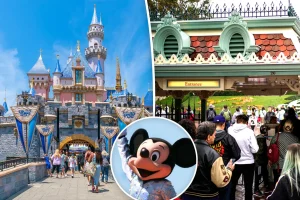


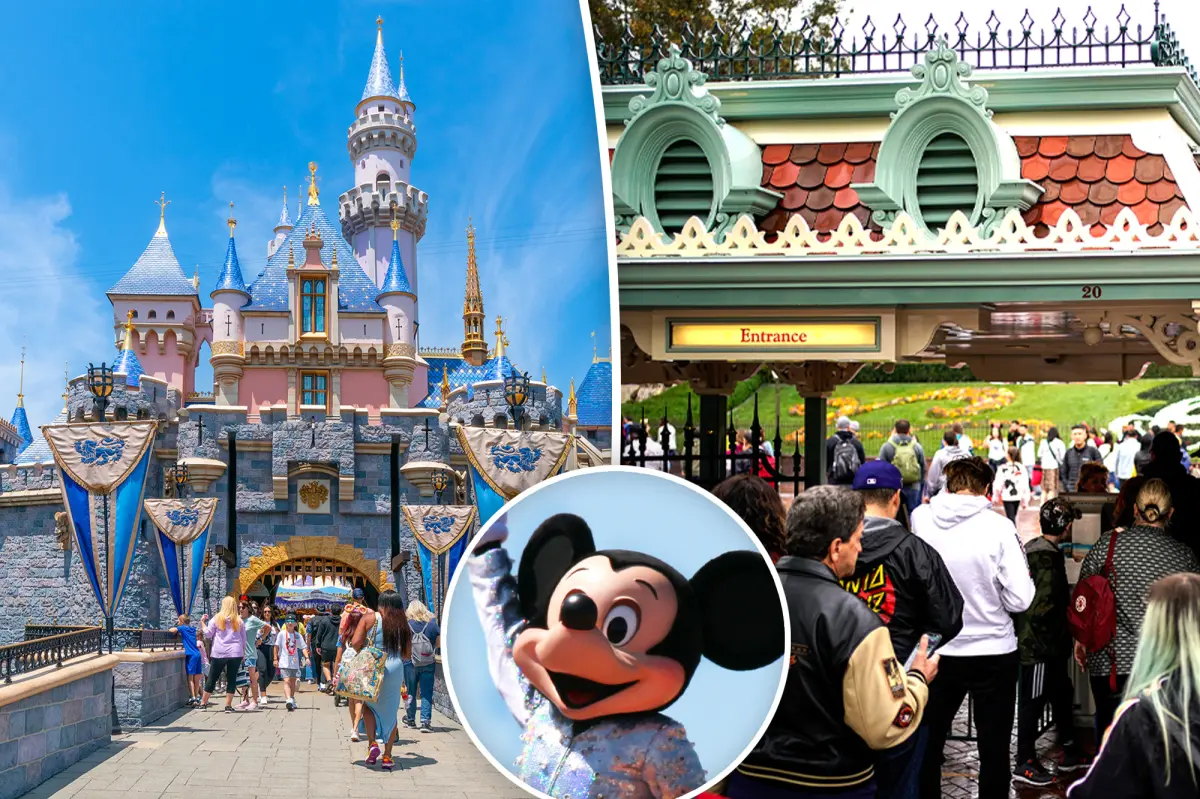
There is a certain magic in the promise of Disneyland—the castle, the parades, the first bite of a churro, the way children’s eyes light up when they spot Mickey Mouse. But for many families, that magic now comes with a heavier price tag. On Tuesday, Disneyland raised admission prices on several mid-level ticket packages, adding another layer of financial planning to a vacation that is already one of the most anticipated—and expensive—experiences a family can undertake. The cheapest single-day ticket remains at $104, and the most expensive single-day ticket is still $224, so the headlines aren’t as dramatic as they might have been. But for the vast majority of visitors who fall somewhere in between, the cost of entry has quietly gone up. It’s the kind of increase that doesn’t make national headlines but does make a parent pause, calculator in hand, trying to figure out whether a trip is still feasible. The increases affect Park Hopper add-ons, the Lightning Lane Multi Pass, and multi-day Park Hopper tickets, meaning that visitors who want the full Disney experience—hopping between parks, skipping lines, staying for multiple days—will feel the sting most deeply. The unchanged base ticket price offers some reassurance, but the human reality is that almost nobody goes to Disneyland for a single day, stays in one park, and never uses the fast-pass system. Families who want the classic, immersive vacation are the ones being asked to dig deeper, and that’s a tough pill to swallow when groceries, rent, and gas already eat up so much of a household budget.
For those who have already begun planning a Disneyland trip, the details of the new pricing are enough to cause a sharp intake of breath. The Park Hopper add-on for a single-day ticket, which allows visitors to travel between Disneyland and Disney California Adventure, will now start at $75, and depending on the date, it can cost $5 to $10 more than it did before. Multi-day Park Hopper increases are even steeper, ranging from $5 to $15 extra depending on the time of year. And the Lightning Lane Multi Pass, Disneyland’s skip-the-line service that has become almost essential for navigating the parks without spending hours in queue, went up by $1, now costing $35 if purchased before arriving at the park and $38 on the day itself. Perhaps the most striking number is the five-day Park Hopper ticket, which jumped by $5 and now costs a whopping $660, making it the most expensive package available for Disneyland visitors, according to Mickey Visit. It is a number that gives even the most devoted Disney fan a moment of hesitation. Interestingly, tickets for one-park visits over multiple days did not increase at all—a two-day, one-park ticket remains at $335, and a five-day, one-park ticket remains at $520. The Magic Key annual pass also stayed unchanged, offering a small measure of stability for locals and frequent visitors. But for tourists traveling from out of town, the one-park option often feels incomplete, and the pressure to “do it all” leads many to opt for the Park Hopper and Lightning Lane add-ons. The result is that a family of four heading to Disneyland for five days with hopper passes could easily spend over $2,600 on admission alone—before hotels, meals, souvenirs, or plane tickets. That is not just a vacation expense; for many, it is an enormous chunk of savings, a trade-off against other priorities, and a decision that requires real sacrifice.
If Disneyland is the childhood dream on the West Coast, Disney World in Florida is the grand, sprawling epic—and its price increases on the same day are perhaps even more jarring. While the cheapest tickets at Disney World remained unchanged, around $120 for a day at Animal Kingdom, the premium end of the spectrum has crept into almost unbelievable territory. A top-tier day pass rose by $20 to $229, but the truly jaw-dropping number is the price for a day pass with access to the fast “lightning lanes,” which jumped by $50 to $499. That means a single person could pay nearly $500 for a single day at a theme park if they want to avoid some of the worst lines. For a family of four, that fast-pass premium alone would cost nearly $2,000—again, just for one day, and just for the privilege of skipping the queue. The annual “Incredi-Pass” also went up by $120, bringing it to $1,749, a figure that may still be worthwhile for dedicated passholders who visit dozens of times a year, but which feels like a luxury beyond reach for the average family. The contrast between the unchanged budget tickets and the soaring premium prices paints a clear picture: Disney is attempting to offer something for everyone, but the version of Disney that most people dream about—with multiple parks, lightning lane access, and the convenience of hopping between experiences—has become a premium product. The human consequence is that families are being forced to make uncomfortable choices: pay the higher price for the “full” experience, scale back their expectations and stay in one park, or postpone the trip entirely in hopes that prices will stabilize. None of those options feels quite like the carefree, magical vacation that Disney’s advertising has promised for generations.
Disney executives say they are aware of the strain. In a statement to CNN, Thomas Mazloum, chairman of Disney Experiences, said, “Our goal is to put guests at the center of our decision-making, and that starts by listening to them.” He added, “That matters more now when families are watching every dollar, and we see it in the choices they make every day—in how they plan, in how far ahead.” It’s a polished corporate response, and there is something genuinely human in the acknowledgment that families are watching every dollar. But for many, the words ring hollow when the prices themselves tell a different story. After all, a family that is “watching every dollar” is also a family that has to save for months, skip other vacations, and carefully calculate every meal, every souvenir, and every add-on. They know that Disney’s “dynamic pricing” model has made the cost of a trip unpredictable, depending on the season, the day of the week, and the level of demand. They know that planning “far ahead” is itself a privilege, because it requires the kind of financial stability that not every family has. The executive’s words also reflect an uncomfortable truth: Disney is a business, and it charges what the market will bear. As long as crowds continue to fill the parks, prices will keep climbing. But for the parent who has been saving for years, hearing that Disney is “listening” doesn’t make the choice any easier. It doesn’t lower the total at checkout, and it doesn’t soften the look on a child’s face when the family has to choose between the Park Hopper and the extra night at a hotel. The human experience of these price increases is not about a spreadsheet—it’s about the feeling of being priced out of something that once felt like a birthright.
This most recent round of increases is part of a longer trend that has been accelerating for years. Disneyland’s prices last went up in October 2025, when the company raised the cost of its most expensive single-day, single-park ticket to $224 and pushed a single-day Park Hopper to $314. Each increase is framed as a response to demand, an investment in new attractions, and a way to manage crowds, but the cumulative effect is that a Disney vacation has become one of the most expensive leisure activities a family can choose. The emotional weight of this is hard to overstate. Disneyland is not just a theme park; it is a cultural touchstone, a place where parents hope to relive their own childhoods with their children. The idea that this experience is slipping out of reach for middle-class families is genuinely painful. It changes the way people talk about Disney. Instead of asking, “When are we going?” they ask, “Can we even afford to go anymore?” Some families respond by cutting corners—staying off-site, eating every meal at grocery stores, skipping the souvenirs, and saying no to every add-on. Others delay the trip until the children are older, hoping that a more mature child will appreciate the cost and perhaps require less merchandise. Still others decide that the whole thing is no longer worth it and choose a different kind of vacation, one that doesn’t come with a spreadsheet and a payment plan. The irony is that Disney has always sold an experience of escape from the worries of everyday life, and yet the planning process now feels like a crash course in household budgeting. The magic is not gone, but it is increasingly weighed down by numbers—and for many families, that changes everything.
And yet, despite all of this, it is likely that families will still go. They will still book their flights, reserve their hotels, and wake up early to tap their MagicBands at the turnstile. They will still stand in line for Space Mountain, still eat Dole Whip with sticky fingers, still watch the fireworks with tears in their eyes. The human desire for these moments is not easily extinguished by a price hike. But the experience will be different in ways that are hard to measure. Parents may feel a knot in their stomachs when they think about the cost, even as they smile for the family photo in front of Sleeping Beauty’s Castle. Children may be told, more gently than ever, that they can have a balloon or an ice cream but not both. The trip may be shortened from five days to three, or the hopper pass may be dropped, or the lightning lane may be skipped, despite the longer waits. These are small compromises, but they add up, and they are the real human cost of rising admission prices. What Disney is betting on—and what the empty stock reports and crowded parks suggest—is that the longing is still stronger than the price tag. The memories are still priceless. But for a growing number of families, the price of admission is becoming part of the memory itself, a story they tell alongside the tales of meeting Elsa and riding the Matterhorn. Perhaps, one day, the prices will level off. Perhaps the market will shift, or Disney will find a way to balance its thirst for revenue with the needs of its most loyal fans. Until then, the magic will remain, but it will be a magic measured in dollars and cents, in savings accounts, in deferred trips and dreamier plans. For the family that does make it through the gates, the joy will be real—but the cost, too, will be unforgettable.