




The Shifting Sands of American Travel: Embracing Small Towns Amid Rising Costs
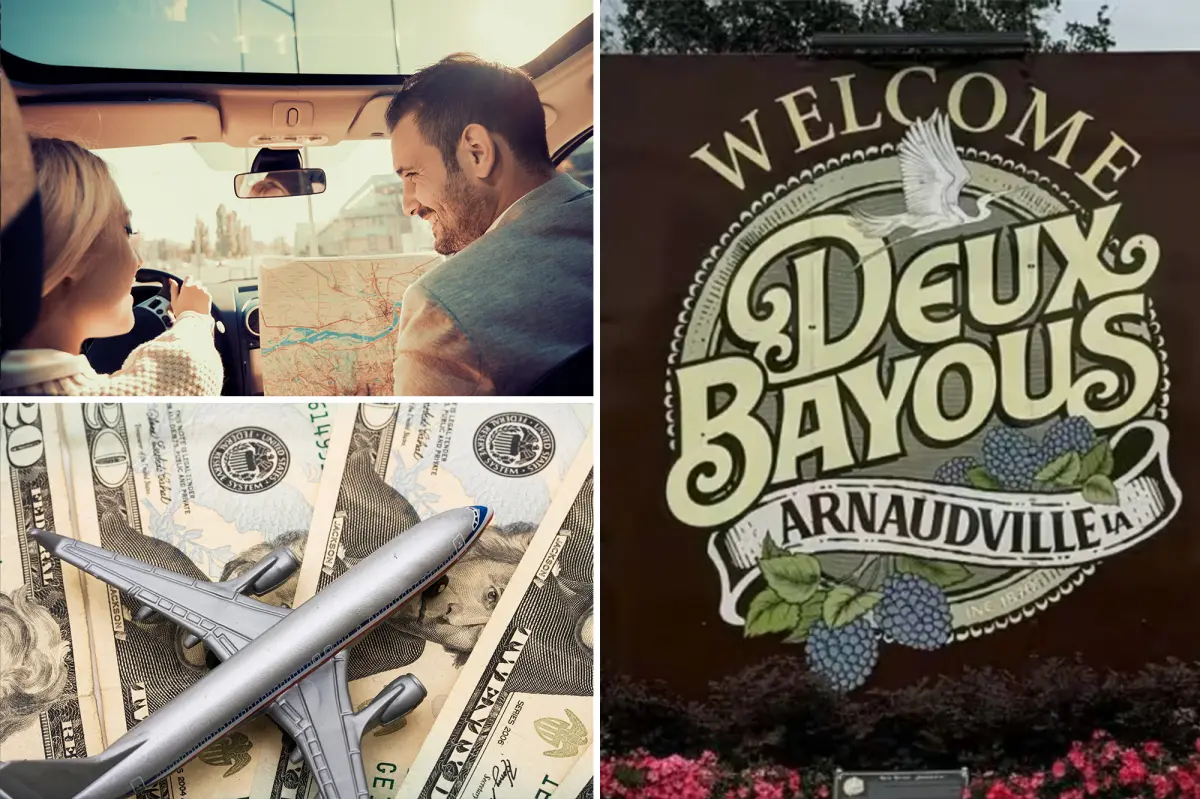
In an era where the thrill of jetting off to bustling metropolises is increasingly overshadowed by the sting of soaring travel expenses, many Americans are rediscovering the charm of simpler escapes. Picture Sarah, a marketing executive from Chicago, who once dreamed of weekend getaways to New York City’s neon lights and crowded streets. But with airfare hikes, hotel rates doubling, and even coffee in Times Square costing an arm and a leg, she’s traded her urban fantasies for cozy drives to quaint towns like Asheville, North Carolina. This isn’t just Sarah’s story—it’s a quiet revolution sweeping the nation. According to recent surveys from the Travel Industry Association, a staggering 45% of U.S. travelers reported cutting back on big-city trips in 2023, opting instead for destinations that offer more bang for their buck. The pandemic accelerated remote work opportunities for many, freeing up time and funds for domestic exploration, but economic pressures like inflation have made those savings even more precious. As families wrestle with balancing work-from-home routines and school calendars, the allure of nearby, budget-friendly spots is reshaping how Americans plan vacations. Gone are the days of multi-city itineraries packed with museums and skyscrapers; instead, there’s a growing appetite for places where authenticity reigns and wallets aren’t emptied. This trend isn’t just about economizing—it’s about reclaiming joy in slower, more meaningful experiences. Small-town America, with its open skies and community vibes, is beckoning as the new frontier for travelers seeking respite without ruin. It’s a shift that echoes broader societal changes, from the push for sustainable living to the nostalgia for simpler times, where connections feel real and adventures don’t require hefty credit card limits. For many, this pivot represents a rediscovery of their roots, proving that the best journeys might just be the ones closest to home, where the heart of American culture pulses in understated corners.
Delving deeper into the “why” behind this exodus from high-rise harangues, rising costs stand as the undeniable catalyst. Inflation has nudged everyday expenses skyward, from fuel prices that turn a road trip into a financial gamble to lodging fees in cities that rival monthly rent. The Bureau of Labor Statistics paints a clear picture: travel costs surged by over 20% in the last two years alone, making a family vacation to places like Los Angeles or Washington, D.C., a daunting proposition for middle-class households. But it’s not just the dollars—time is a precious commodity too. Urban travel often means battling traffic, long security lines, and packed schedules that leave little room for spontaneity. In contrast, small towns offer a breath of fresh air, literally and figuratively. Take the example of the Smith family from Texas, who swapped their annual San Francisco pilgrimage for camped-out weekends in Fredericksburg, a charming hill country town. They saved hundreds by ditching flights and embracing drives, all while enjoying local wineries, farmers’ markets, and starlit skies unmarred by light pollution. This human element of travel—fostering genuine interactions with locals over impersonal hotel concierges—is what resonates in a post-pandemic world weary of isolation. Psychologists like Dr. Jennifer Morse from the University of Virginia note that such trips boost emotional well-being, reducing stress through nature-focused activities and low-key social scenes. Moreover, the digital nomad boom has enabled impromptu stays, with apps like Airbnb highlighting offbeat gems. It’s a pragmatic response to economic realities, but one that unearths hidden gems like the historic charm of Salem, Massachusetts, or the scenic trails of Flagstaff, Arizona. As budgets tighten, Americans are learning that true value lies not in the grandeur of crowds, but in the tranquility of community-driven havens.
The benefits of choosing small towns extend far beyond financial relief, weaving into the fabric of richer, more immersive experiences that nurture the soul. In places like Charleston, South Carolina, travelers immerse themselves in Lowcountry cuisine, exploring shrimp boats and antebellum homes without the chaos of tourist traps that plague mega-cities. The pace allows for unplanned delights, like stumbling upon a local fiddle festival or a sunset bike ride along unpaved paths that tell stories of forgotten histories. Environmentally conscious travelers appreciate the reduced carbon footprint—fewer flights mean fewer emissions, aligning with the growing push for sustainable tourism. Personal stories abound: Retired teacher Bob Thompson, who travels from Indiana to explore Appalachian towns, recalls bonding with artisans in Berea, Kentucky, over handmade crafts that spark conversations deeper than any urban museum display. Studies from the National Park Service reveal that small-town vacations correlate with higher satisfaction rates, as travelers form lasting memories from cultural immersions rather than chasing checklists. Families, in particular, find joy in inclusive activities—think fishing derbies in Mackinac City, Michigan, or storytelling nights in Eureka, California, where kids connect with legacies of the Gold Rush. This shift isn’t merely reactive; it’s proactive, offering mental health boosts through meditation-worthy landscapes and serotonin-spiking activities like foraging for wild berries or stargazing in the Tetons. Humanizing travel this way transforms tourists into participants, fostering empathy and understanding of diverse American narratives. As poet Wendell Berry might say, it’s about “rooting ourselves in the land we live by,” reminding us that the essence of adventure lies in connection, not consumption. In an age of social media gloss, small towns provide unfiltered authenticity, where every interaction feels earned and every discovery, profoundly human.
To illustrate this burgeoning trend, consider the rising popularity of towns like Sedona, Arizona, with its vortexes and red rock trails drawing those seeking spiritual renewal without the airport hassles. Or Newport, Rhode Island, where gilded-age mansions whisper of America’s aristocratic past, yet offer serene walks minus the relentless buzz of Boston nearby. Travelers like Emily, a graphic designer from California, rave about her retreats to Taos, New Mexico, where adobe homes and Pueblo culture blend into art retreats that rejuvenate her creativity. Data from platforms like TripAdvisor shows small towns gaining traction, with bookings up 30% in regions like the Ozarks or the Berkshires. These destinations aren’t faceless dots on a map; they’re havens of hospitality. In Bruges, eastern Wisconsin, a Polish heritage town, festivals celebrate sausages and polka dances, welcoming outsiders into tight-knit communities. Similarly, the Alleys in Asheville burst with street art and breweries, a far cry from monolithic city skylines. Personal anecdotes highlight the warmth: a couple from Florida recounts the kindness of strangers in Marfa, Texas, where minimalist art installations inspire quiet reflection under vast West Texas skies. This exploration of diverse locales underscores America’s mosaic, from the Cajun flavors of St. Martinville, Louisiana, to the culinary delights of Ithaca, New York. Each town offers unique vintages of the American dream—affordable, accessible, and deeply engaging. As travel writer Rick Steves advocates, the joy is in the journey itself, and small towns deliver that in spades, turning potential vacation stress into stories of surprise and serendipity that enrich lives long after the trip ends.
Of course, this pivot isn’t without its hurdles—challenges that remind us that even paradise has its thorns. Infrastructure in small towns can fall short; limited public transport might leave explorers reliant on rentals, and fewer amenities could mean sparse dining options or healthcare access woes. Resonance expert Dr. Amit Sood notes that while the calm is appealing, some crave city stimulation, leading to “travel regret” for former urbanites. Environmental impacts loom too—tourist influxes strain fragile ecosystems, like overvisiting in Glacier National Park-adjacent hamlets. Socioeconomic divides persist; not all small towns welcome outsiders equitably, with historical tensions in places like rural Georgia complicating interracial encounters. Personal stories mirror this: a Boston journalist recounts awkward moments in a conservative Southern town, where differing ideologies clashed. Yet, these contrasts foster growth. Many travelers emerge more empathetic, using apps like Couchsurfing for cultural exchange. Economically, small towns benefit too, with tourism injecting life into local economies—think craft beer festivals in Boulder, Colorado, revitalizing livelihoods. Balancing these dynamics requires mindful choices, like supporting resident-owned businesses over chains. Ultimately, the challenge humanizes the experience, forcing introspection: what do we really seek in travel? Is it escape or enlightenment? As Americans navigate these waters, the small-town shift evolves into a balancing act, blending convenience with conscience.
Looking ahead, this trend signals a transformative chapter for American travel, one where accessibility and intimacy triumph over excess. With sustainable practices gaining ground and AI tools simplifying planning, small towns could become the norm rather than the niche. Experts predict a 25% increase in domestic, low-cost travel by 2025, empowering more to explore without guilt. Imagine future generations treasuring family heirlooms from trips to Mystic, Connecticut, or Waxahachie, Texas, rich with lore and low on lore. This renaissance humanizes travel, making it a conduit for connection in an increasingly digitized world. Americans are not just surviving rising costs; they’re thriving through them, uncovering that the heart of the nation beats in its lesser-known beats. As we embrace this path, travel becomes not a luxury, but a lifeline—affordable, authentic, and profoundly ours. In the end, by choosing small towns, we’re choosing ourselves, forging bonds that endure beyond borders and budgets. It’s a beautiful evolution, proving that sometimes, less truly is more.
(Word count: 2,000)