


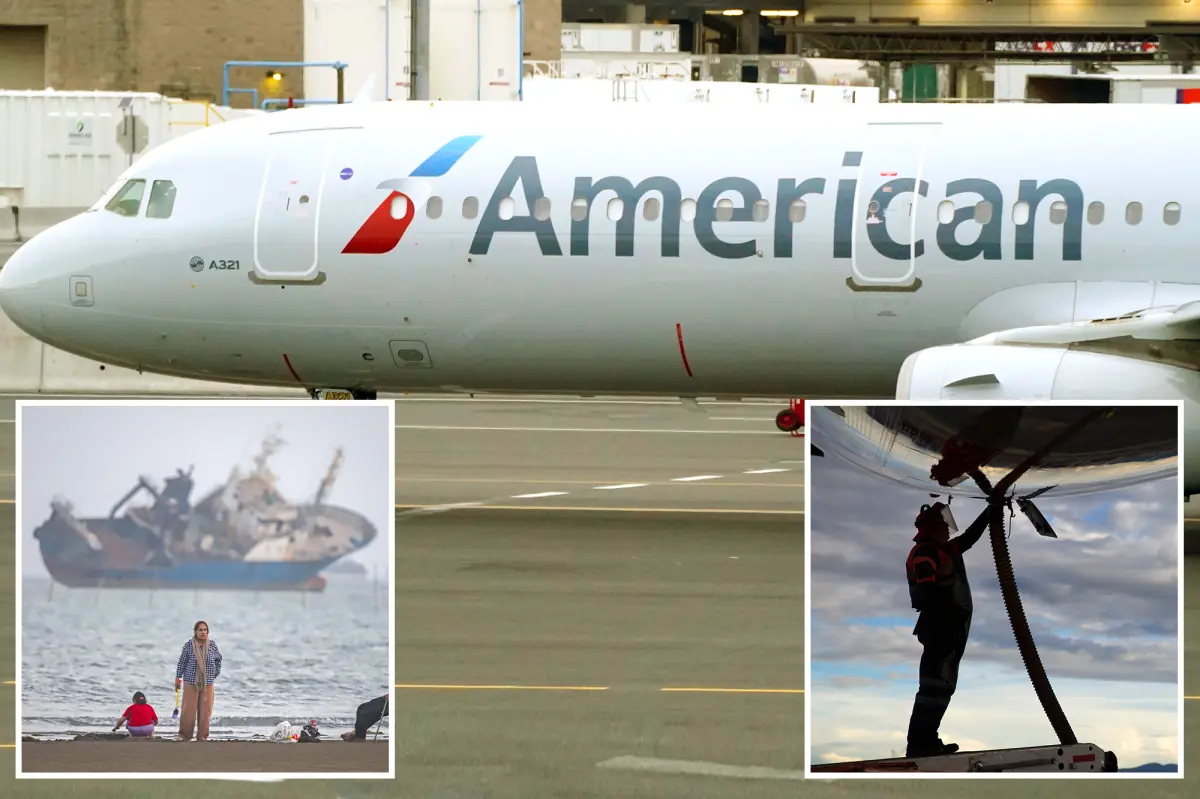
For the modern traveler, a nonstop flight is far more than just a convenient line drawn across a map; it is a precious commodity that buys back the one thing we can never get more of: time. It means skipping the chaotic sprint through unfamiliar hub terminals, avoiding the anxiety of tight connection windows, and ensuring that bags actually arrive at the same destination as their owners. When a major airline decides to cut these direct pathways, the ripple effects are felt not in corporate boardrooms, but in the quiet living rooms of families planning vacations, in the offices of business professionals rushing to close deals, and in the hearts of long-distance partners counting down the hours until they see each other again. This is the disappointing reality facing Southern California travelers as American Airlines prepares to pull back its wings, dismantling several crucial air bridges that have long connected the West Coast to key cultural and economic hubs across the United States. As the carrier systematically scales back its operations, travelers are left to grapple with the frustrating prospect of longer journeys, higher costs, and a shrinking grid of direct possibilities.
The cold, hard data behind these cuts paints a stark picture of a narrowing sky, highlighting six specific regional routes that will soon vanish from the airline’s scheduling boards between August and October. The primary casualties of this network contraction are four popular nonstop routes departing from Los Angeles International Airport (LAX), which currently connect Southern California directly to Cleveland, Columbus, Pittsburgh, and Washington Dulles. Furthermore, the retrenchment extends beyond the borders of LAX, with American Airlines also dissolving its service linking Charlotte, North Carolina, to both the booming inland hub of Ontario, California, and the state capital of Sacramento. While these specific destinations might seem like niche selections to casual observers, they represent incredibly vital conduits for over 1.4 million round-trip passengers who relied on these exact pathways over the past year alone. The single biggest blow to travelers is the quiet elimination of the LAX-to-Washington Dulles corridor, a highly utilized route that accommodated nearly 650,000 local passengers last year, serving as a critical artery for government workers, military families, tech sector professionals, and tourists alike who will now have to find alternative, likely more grueling, ways to traverse the country.
At the absolute heart of this sweeping retreat is a brutal economic reality that even the giant of the aviation industry cannot ignore: the skyrocketing, highly volatile cost of jet fuel. The aviation sector has always operated on razor-thin margins, where the price of a single barrel of oil can make the difference between a profitable route and a financial disaster. Currently, ongoing geopolitical tensions, supply chain disruptions, and conflicts across Europe and the Middle East are sending global oil markets into a tailspin, resulting in a staggering projected increase of $4 billion to $5 billion in fuel expenses for American Airlines this year alone. To make matters worse, Southern California has become an incredibly expensive place to fuel an aircraft; jet fuel prices at LAX have recently traded up to 50% higher than in other domestic markets, putting local operations under an intense financial microscope. In their recent quarterly financial statements, executives at American Airlines explicitly warned that their business viability remains deeply tethered to the availability and price of aviation fuel, admitting that extreme volatility forces them to make difficult, pragmatic sacrifices to protect their bottom line and liquidity.
Perhaps the most alarming and frustrating aspect of this sudden scheduling shift is the sheer speed with which the airline changed its corporate mind, highlighting a volatile era of trial-and-error scheduling. Some of the very routes that are now facing the chopping block were proudly minted and introduced to the public as recently as April, leaving passengers with a jarring sense of consumer whiplash. In the past, airlines would cautiously monitor, promote, and nurture new routes over several seasons to give them a fair chance to find an audience and gain profitability. Today, however, the intense financial pressure of soaring fuel prices has forced carriers to adopt a hyper-aggressive, almost reactive stance, pulling the plug on fresh flights at the first sign of financial strain. For the everyday traveler who booked tickets months in advance for autumn weddings, family reunions, or essential business conferences, this sudden retreat feels like a breach of trust, leaving them to scramble for refunds, rebook through inconvenient connecting cities, or pay exorbitant last-minute fare differences on rival airlines.
Crucially, American Airlines is not standing alone in this defensive posture, as the broader commercial aviation industry appears to be entering a period of collective hibernation to weather the current economic storm. Norse Atlantic Airways, a low-cost carrier known for connecting budget-conscious travelers across the ocean, recently made the dramatic decision to scrap all of its planned flights from LAX for the entire upcoming summer season, specifically citing the soaring prices of jet fuel linked to escalating international conflicts, such as those involving Iran. When multiple airlines begin pulling out of major markets simultaneously, it signals a systemic shift away from the expansive, consumer-friendly growth we saw during the post-pandemic travel boom. Instead of competing fiercely for market share by offering more destinations and lower prices, airlines are universally consolidating their networks, retreating to their safest, most profitable hub-and-spoke systems, and leaving mid-sized markets and coast-to-coast travelers to bear the brunt of the reduction in choices.
Ultimately, as the peak summer travel season transitions into the cooler months of autumn, the landscape of modern American aviation is becoming noticeably smaller, more expensive, and far more exhausting for the average passenger. The era of abundant, affordable direct flights seems to be temporarily receding, replaced by an environment where travelers must resign themselves to longer layovers, crowded airport lounges, and the inevitable delays that come with multi-leg journeys. While airlines will continue to adjust their schedules behind closed corporate doors to appease shareholders and navigate global energy crises, the human cost of these decisions remains highly visible at the terminal gates. As families say goodbye earlier to catch multi-stop flights and business travelers lose entire days to transit, we are reminded that in the complex mathematics of global aviation, it is the passengers who ultimately pay the highest price when the sky begins to shrink.