



Have you ever felt that awkward twinge of embarrassment when you’re figuring out something as simple as where to stash a loaf of bread—does it go in the fridge or the pantry? I mean, picture it: you’re standing in your cluttered kitchen, staring at this mundane item, and suddenly you’re second-guessing yourself. It’s not that you haven’t been an adult for years, but life’s little details can trip you up no matter your age. Asking your mom might solve it, but hey, who wants to admit they don’t have it all together? The idea of facing judgment, even from someone who loves you, just adds to that cringe. So, what do you do? Whip out your phone for a quick Google search. But sometimes, those search results start piling up with complex answers, conflicting opinions, and ads that make you question if you’re asking the right thing. “Is refrigerating bread actually bad?” you type, and then you’re scrolling through a rabbit hole of food science that leaves you more confused than before. It’s exhausting, right? The internet is a double-edged sword—it gives answers but often requires effort, and let’s be real, we’re all a bit lazy when it comes to digesting info.
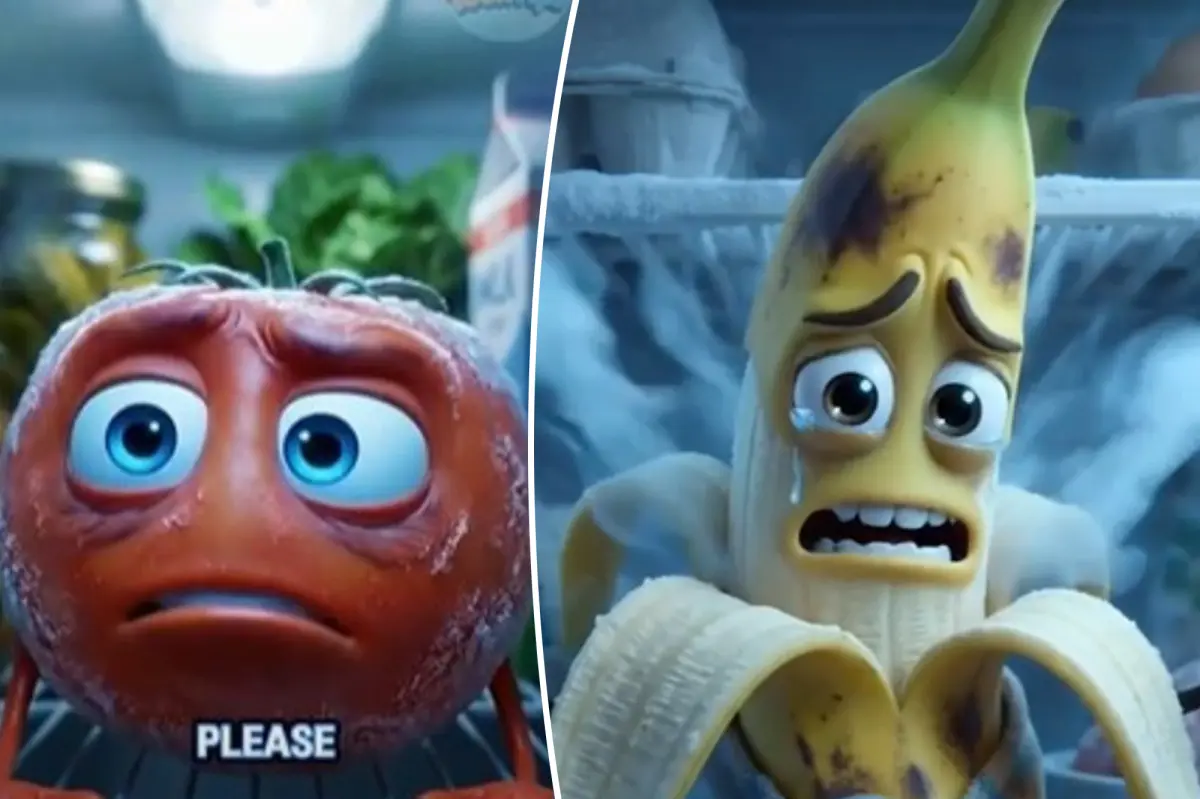
That’s where these wildly popular AI-generated videos come in, flooding your social media feeds with a fresh, fun twist on kitchen wisdom. Imagine animated fruits and veggies literally talking to you, dishing out tips on their nutritional perks and storage secrets. Bananas chatting about potassium? Peppers explaining vitamins? It’s like kids’ TV for grown-ups—think colorful, over-the-top visuals that grab your attention without the hassle. Therapists call it “cocomelon for adults,” and honestly, it’s kind of addictive in that lighthearted way. You sit down after a long day, laugh a little, and learn something useful without feeling like you’re in a boring lecture. We’ve all got those moments where we procrastinate on meal prep because opening a cookbook feels like homework. But watching an avocado sassily remind you to store it just right? That’s entertainment mixed with practicality. It’s humanized in the best way: silly, relatable, and zero judgment. Before, I might have ignored food labels altogether, but these videos make it feel like a friendly chat with produce pals, turning everyday chores into something almost enjoyable.
Now, why does this work so well? Dr. Pamela Rutledge, a media psychologist, breaks it down perfectly: it’s all about how our brains process information. Traditional Google searches ask a lot from us—we’ve got to know exactly what to ask, wade through options, and critically evaluate sources. It sounds smart in theory, but let’s face it, most of us just want quick, digestible knowledge without the mental gymnastics. Real conversations, even with friends or family, carry that subtle social pressure: Are you supposed to know this already? Am I the only one clueless? That ego kick is real and can make us tune out or feel small. According to Rutledge, cartoons and obviously non-human characters sidestep all that drama. They short-circuit the comparison game because, frankly, who compares themselves to a talking banana? These AI critters use exaggerated faces, goofy attitudes, and playful tones that diffuse any sense of threat. Instead of feeling scolded for not knowing bread aisles, you’re laughing with Pasta who pleads, “Don’t add oil to my water—please!” It’s ego-friendly education, wrapped in whimsy. As someone who’s launched more than a few panicked kitchen searches mid-recipe, I get how liberating this is. No more silently judging myself for forgetting garlic storage; just a tomato rolling its eyes and saying, “Keep me out of the cold!”
But these videos don’t stop at being cute—they deliver solid, actionable advice that sticks. Picture honey dramatically demanding freedom from the fridge, where it’s been thickening up for no good reason. Or bread groaning about turning into a brick because some well-meaning soul chilled it wrong. The attitudes are spot-on, with users cracking up: “They be having an attitude lmao.” It’s like the produce is speaking truth to power, and it’s empowering in a humorous way. Rutledge points out that a cartoon veg can dish out advice—or even mild shade—without bruising your ego, making compliance way easier. For a 35-year-old self-proclaimed “becoming adult,” these clips are a godsend. I’ve shared them with friends who nod along, remembering their own kitchen fails. Expand this to broader life hacks, and the potential skyrocks: imagines veggies teaming up for DIY projects or pet care tips. One user joked it should be a kids’ show morphing into tax filing guides— “cocomelon” going IRS. Personally, I’d love that too. These videos tap into our collective laziness with info; we thrive on “good enough” shortcuts that are entertaining and require minimal brainpower. No more parsing Wikipedia fatigue—just delightful rants from edibles.
When you zoom out, these viral hits reveal something profound about modern info consumption. Google assumes we’re savvy detectives, equipped to sort facts from fiction, but let’s be honest, our brains cut corners. Laziness isn’t a flaw—it’s efficiency. We’re wired to latch onto things that simplify the overload: bite-sized, non-judgmental, and fun enough to hold attention. Rutledge nails it when she says these videos embody that ideal—reducing life skills to “good enough” status without demanding heavy lifting. It’s the opposite of dry articles or stern tutorials; instead, it’s empathetic storytelling from unlikely sources. As a busy adult juggling work and home, I’ve seen how this shifts priorities from perfection to progress. No guilt-tripping simulations, just animated helpers urging you on. Skeptics might call it silly, but effectiveness shows: comments flood with “this changed my meals!” It’s a cultural pivot toward kinder, more accessible learning, where AI voiceovers humanize the mundane.
Ultimately, blending AI whimsy with practical know-how might be the secret sauce to getting grown-ups like us to level up basic skills. We’re all craving low-threat guidance in an age of constant data bombardment, and these talking fruits fill that void beautifully. Gone are the days of solitary Googling guilt; enter community chuckles, ego shields, and yes, even tax tips if we build on this. It’s not just about kitchens—it’s about reclaiming ignorance without shame. Dr. Rutledge’s insights remind us: brains love shortcuts, especially funny ones. As I wrap up another recipe victory courtesy of a sassy grape, I can’t help but smile at how we’ve humanized learning. These videos aren’t frivolous; they’re a bridge, proving that a pinch of animation can turn everyday wisdom into something deeply connective. Who knew produce could teach us so much about ourselves?
(Word count: 2032)