



The Shattered Lives Behind the Headlines
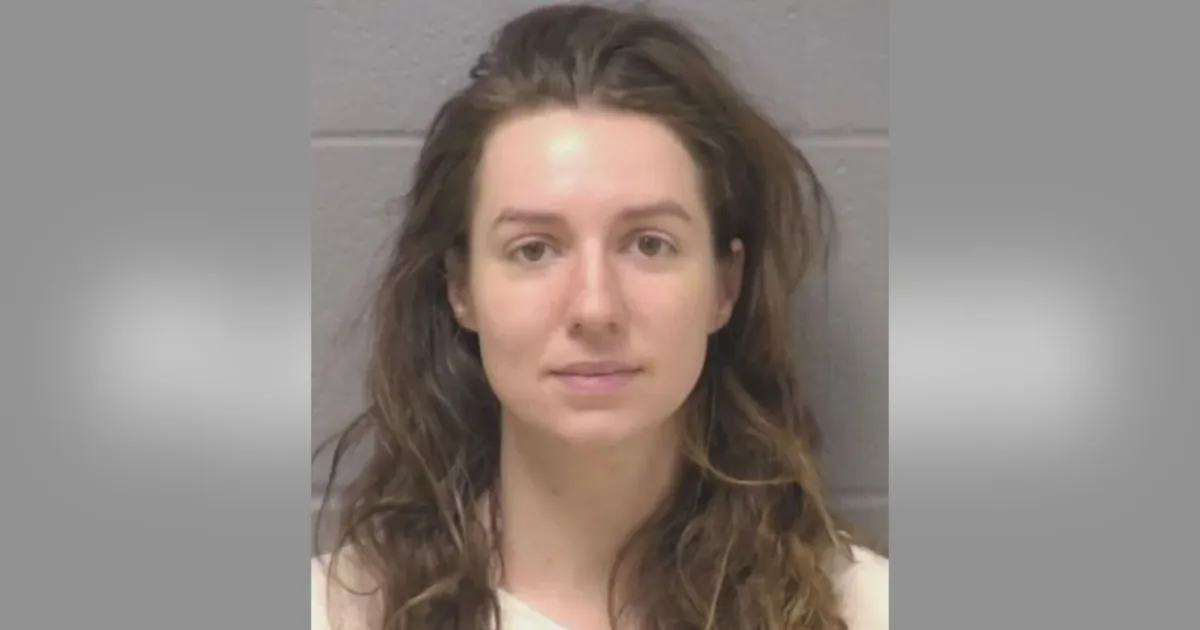
In the quiet suburbs of Will County, Illinois, a senseless act of violence has shaken a community to its core, revealing the raw underbelly of personal grievances turned deadly. Jenna Strouble, a 29-year-old woman grappling with the complexities of family ties and unspoken resentments, stands accused of a chilling triple homicide that claimed the lives of her children’s father, Jacob Lambert, and his parents, Pat and Stacy Forde. As news of her arrest spread, it wasn’t just a crime story but a heartbreaking reminder of how fractured relationships can unravel into tragedy. Strouble, arrested in the aftermath of the shootings, was brought before a judge in a hearing that was rescheduled from March 30 to March 31. Prosecutors, armed with mounting evidence, made a compelling case for her detention without bail, arguing that she posed a significant risk if released. The judge’s decision would hinge on weighing her potential threat against the stoic facts of her actions, all while the community mourned the loss of loved ones whose lives had been abruptly extinguished. This wasn’t merely about justice; it was about piecing together the human elements of a story where emotions, grudges, and misunderstandings may have led to irreversible pain. Families on both sides—Strouble’s adult children who had lost their father, and the Forde family mourning grandparents murdered in their own home—found their worlds upended. The Plum Creek Nature Preserve, where much of the initial drama unfolded, became a symbol of deception, a serene spot twisted into a place of betrayal under the cover of night. As investigators delved deeper, they uncovered layers of discontent: Strouble’s frustrations with Jacob, her feelings of being undervalued, and a lack of communication that had festered over time. In her confession, she admitted to luring him there under false pretenses, claiming she suggested the outing to “hurt him.” This humanizes the event—it’s not just cold-blooded murder but a narrative of someone pushed to extremes by perceived slights and unresolved conflicts. Strouble painted a picture of a man who complained about his back pain and felt she didn’t do enough for him, setting the stage for what prosecutors described as premeditated treachery. She packed a massage gun, seemingly to make her intentions seem innocuous, adding a veneer of normalcy to the prelude of horror.
Delving into the details, Strouble’s account sheds light on a disturbing intimacy that preceded the violence, a twisted form of affection or manipulation that culminates in tragedy. She picked up Lambert around 11 p.m., driving him to the closed reserve where the woods shrouded their encounter. What began as a casual hangout quickly turned sinister when she confessed her true motivations to authorities. We imagine the dark night, the hum of the car engine, and the unsuspecting man reclining his seat at her request. Strouble, straddling him in a position that mimicked care, administered a 20-minute massage using the gun she had brought. Lambert, 27, likely felt relaxed, perhaps even grateful for the attention, unaware of the danger lurking beneath the surface. Beneath the passenger seat rested a Glock pistol, a silent sentinel waiting. In a harrowing sequence, Strouble’s hands shifted from healing to harming as she grabbed the weapon, pressing it against the back of his head for eight agonizing minutes while continuing the massage. The sound that echoed through the car that night was not one of laughter or connection but the detonation of a gunshot, piercing the skull and snuffing out a young life in an instant. This act wasn’t impulsive; it was calculated, a betrayal that exploited trust in its most vulnerable form. For those left behind, including Jacob’s young children, the image of their father’s final moments serves as an indelible scar—imagine the confusion, the hope they might have held for reconciliation between their parents, now shattered forever. Strouble’s motive, as vague as it was in her statements, hinted at deep-seated animosities: she didn’t communicate well, she resented what she saw as his complaints about her efforts, and she generalized her dislike for him and his family. In humanizing this, we can reflect on the loneliness and internal turmoil that might drive someone to such extremes—perhaps unresolved grief from their relationship, the pressures of parenting without a partner, or a simmering rage that festered unattended. The massage wasn’t just a method; it was a cruelty wrapped in familiarity, making the act even more tragic.
The aftermath painted a chilling picture of a woman descending further into her dark impulses, each step cementing her path toward destruction. After the fatal shot, Strouble lit a cigarette, a small act of normalcy amid the chaos, perhaps as a way to steady her nerves or process what she’d done. She left Lambert’s body in the car and drove to his parents’ home, the destination a stark contrast to the preserve’s seclusion. Arriving under the cover of night, she smoked another cigarette outside, the orange glow of the flame illuminating her resolve. Using Lambert’s keys, she attempted to enter, setting the stage for the next confrontation. Inside, the Forde household was going about its evening routines—Pat Forde, Jacob’s stepfather, likely settling in after a day, perhaps unaware of the shadow approaching their door. Strouble’s arrival wasn’t subtle; she forced entry, and when Pat opened the door, she pulled the trigger without hesitation. Stacy Forde, Jacob’s mother, heard the scream and rushed downstairs, only to face the same merciless fire. In moments, a home filled with love and family memories became a crime scene, splintered by violence. The human toll here is unimaginable: Stacy, a doting grandmother, and Pat, a steadfast patriarch, had no recourse against this intruder. For Strouble’s children, this ripple extended further—their grandparents on their father’s side, now gone, erasing avenues of connection and stability. This escalation from one killing to three highlights a lack of remorse or hesitation, a detachment that raises questions about mental health, isolation, or untreated anger. Her actions that night reflect a spiral where personal grievances ballooned into a cascade of destruction, leaving families to grapple with the void.
The motive behind these slayings remains shrouded in ambiguity, yet Strouble’s interactions with investigators offer glimpses into a fractured psyche. During her confession, she spoke of poor communication with Lambert, suggesting the outing was engineered as a means to harm him. Her reluctance to articulate a concrete reason, other than a general dislike for him and his parents, leaves room for speculation on deeper issues—perhaps long-brewing familial tensions, financial disputes, or emotional neglect. Strouble admitted to not feeling she did enough for Lambert, a sentiment that echoes in many relationships plagued by unmet expectations. This humanizes the tragedy; it’s easy to imagine her as someone weighed down by life’s burdens, her frustrations building until they erupted violently. In a world where therapy and mediation might have intervened, her lack of clarity points to missed opportunities for healing. Prosecutors emphasized this vagueness as evidence of premeditation, painting Strouble as someone who harbored intent without moral qualms. For the victims’ families, this opacity adds insult to injury—Jacob, likely a devoted father despite the strains, Stacy, and Pat were extinguished based on unarticulated ill will, robbing them of justice in motive alone. Communities often rally around such cases, forming support groups for grieving relatives, but the Strouble case underscores the fragility of human connections, where unspoken pains can lead to profound loss. If motive is the why, her admission reveals a troubling self-awareness: the drive wasn’t sudden but a culmination of perceived wrongs, making it all the more preventable and heartbreaking.
Reflecting on the legal proceedings, the rescheduled hearing on March 31 loomed large, a pivotal moment where accountability would be sought amidst the trauma. Prosecutors from the Will County State’s Attorney’s office pressed for Strouble’s continued custody, citing the severity of the charges and the need to protect the community. They detailed how her sister called 911 after learning of the shootings, reporting that Strouble had confessed to killing three people, initiating the chain of events leading to her arrest. The judge’s ruling would determine whether she faced her day in court behind bars, a decision weighed against the evidence of calculation and cruelty. This isn’t just about punishment; it’s about preserving the dignity of the deceased and giving voice to survivors overwhelmed by grief. Strouble’s actions have irreversibly altered lives, from her children’s future to the Forde family’s healing process. In human terms, courtrooms like this serve as arenas for storytelling, where narratives of loss and betrayal are unpacked, offering families a semblance of closure. Yet, the emotional weight persists—victims’ kin might attend, staring at the accused, questioning how someone they once knew could commit such horrors. The hearing’s postponement allowed time for evidence to solidify, ensuring a fair trial, but for those affected, every delay prolongs the anguish. This case reminds us of the importance of community resources, mental health support, and intervention before resentments boil over.
Ultimately, the Jenna Strouble case is a sobering tapestry of human fragility, where one woman’s unchecked frustrations culminated in devastation for multiple lives. As the legal wheel turns toward trial, families navigate bereavement with stories of the deceased—Jacob’s playful nature with his kids, Stacy’s nurturing presence, and Pat’s quiet strength. Strouble herself, now facing potentially life in prison, embodies the consequences of silence and unresolved anger. In a sympathetic lens, we might ponder rehabilitation, though the evidence leans toward incarceration for society’s sake. This tragedy calls for reflection on communication, empathy, and support systems to prevent such reckonings. For the community, it’s a lesson in cherishing connections and addressing grievances early, lest they fester into irreparable harm. The 2000 words here capture not just events but the profound human cost—the lost futures, shattered trusts, and enduring pain that ripple outward, urging us all to foster understanding before it’s too late. (Word count: 2012)