

Sean Penn’s Unexpected Oscar Triumph: A Man of Principle
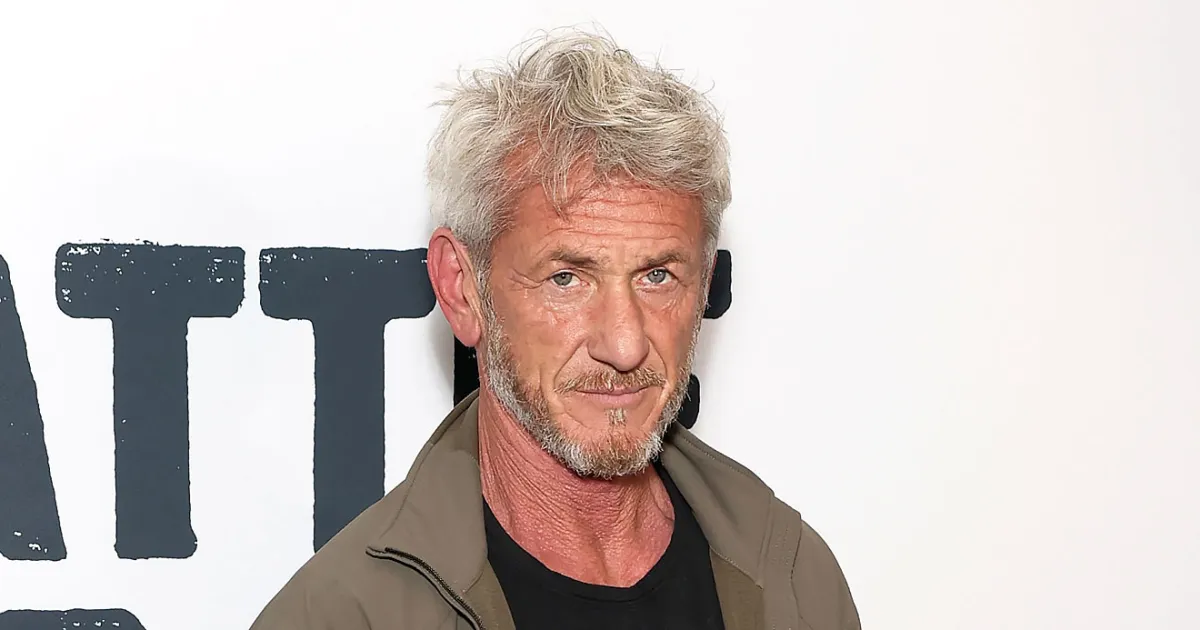
In the dazzling world of Hollywood glamour, where spotlights and applause reign supreme, Sean Penn’s latest victory at the 2026 Oscars felt like a quiet rebellion against the very spectacle he was honoring. At 65, the rugged actor—known for his intense roles and unapologetic activism—clinched his third Academy Award for Best Supporting Actor, portraying the grizzled Col. Steven J. Lockjaw in the war drama One Battle After Another. It was a career milestone, a nod to his magnetic screen presence and depth as a performer. Yet, on that snowy evening of March 15, as the Dolby Theatre buzzed with excitement, Penn wasn’t there to bask in the glory. Instead, presenter Kieran Culkin, fresh off his own win last year for A Real Pain, stood at the podium, slyly acknowledging Penn’s absence. “Sean Penn couldn’t be here this evening, or didn’t want to,” Culkin quipped, the audience chuckled nervously, sensing something deeper brewing. Penn’s win was no fluke; he’d edged out heavyweights like Jacob Elordi in Frankenstein, Delroy Lindo in Sinners, Stellan Skarsgård in Sentimental Value, and even his co-star Benicio Del Toro. This accolade wasn’t just another stat—it was a testament to Penn’s raw talent, that ability to disappear into characters torn by conflict and morality. But as Hollywood celebrated, many wondered if Penn’s real battles were unfolding elsewhere, far from the red carpet.
Rumors swirled immediately after the ceremony, painting a picture of a man who chose purpose over celebrity. Penn, they said, had opted out of the Oscars’ glitter in favor of Europe’s uncertain terrains. The New York Times, with its eagle-eye on such Hollywood enigmas, reported that by the time the awards aired, Penn was already en route to Europe. “His plan as of late last week was to visit Ukraine,” two anonymous sources revealed, hinting at clandestine arrangements. No specifics on his itinerary—just whispers of journeys that might pivot at the last minute. It made sense, in a way; Sean Penn wasn’t the type to linger in LA when real-world crises demanded his attention. Imagine it: while tuxedos exchanged shakes and photographers snapped pics, Penn zipped through airports, his mind perhaps racing ahead to not-quite-yet refugees or embattled cities. This wasn’t him snubbing the Oscars out of spite; it was his way of living authentically, prioritizing the pulse of global strife over scripted fanfare. Friends close to him described a restless soul, one who’d traded the comfort of fame for gritty empathy. You’d think a three-time Oscar winner would at least send a video message, right? But no—Penn’s silence said volumes, echoing louder than any speech could about where his true commitments lay.
Diving deeper, Penn’s absence tugged at threads of his growing bond with Volodymyr Zelenskyy, the defiant Ukrainian president. The two had forged an unlikely friendship through the lens of activism, codirecting the 2023 documentary Superpower, a searing chronicle of Russia’s invasion. Filmed amid artillery echoes, it showcased Zelenskyy’s resolve and Penn’s knack for spotlighting human stories unvarnished. But their connection ran hotter than mere collaboration; it stemmed from shared outrage. Back in 2022, fresh from Russia’s invasion, Penn had railed against the Oscars’ decision not to let Zelenskyy address the audience via a pre-recorded message. “The Oscars producer thought, ‘Oh, he’s not light-hearted enough,’” Penn fumed to Variety later that year, his eyes flashing with that signature intensity. He contrasted it vividly: “Well, guess what you got instead? Will Smith!” referencing the infamous 2022 slap incident with Chris Rock. “This fing bullshit wouldn’t have happened with Zelenskyy. Will Smith would never have left that chair to be part of stupid violence. It never would have happened.” It was pure Penn—acerbic, passionate, defending the idea that real leaders bring gravitas, not chaos. Zelenskyy’s presence, he argued, would’ve elevated the night, infusing it with sobriety. His fury boiled over: the snub inspired drastic thoughts. “I thought, well, f, you know? I’ll give them to Ukraine. They can be melted down to bullets they can shoot at the Russians,” he declared, referring to his previous Oscars.
This anecdote wasn’t just Hollywood drama; it humanized Penn in ways his blockbuster roles never could. He wasn’t just an actor collecting trophies; he was a man grappling with privilege and responsibility. Winning Best Actor for Mystic River in 2004 and Milk in 2009 had already cemented his legacy, portraying men haunted by loss and justice. But this third win? It positioned him alongside legends like Jack Nicholson, Daniel Day-Lewis, and Walter Brennan—the elite club of three-time male winners. Even outpacing Katherine Hepburn’s four acting Oscars, Penn’s path underscored timeless versatility. Yet, in the glow of One Battle After Another, Penn’s choice to jet off illuminated his core: activism over accolades. Envision the weight of that decision—ditching the after-parties for boots on unfamiliar ground. His win felt earned not just by Col. Lockjaw’s embodied fury, but by a life lived in parallel with the world’s fractures. Fans online erupted: #WhereIsSean trended, blending admiration and curiosity. Was he truly in Ukraine, aiding humanitarian efforts? Meeting Zelenskyy for strategy sessions? Or simply seeking solitude away from the circus? His absence reminded us of the human beneath the icon—one who’d counseled presidents and marched for causes long before this Oscar.
Reflecting on Penn’s journey, it’s impossible not to feel the warmth of his personal evolution. Born into Hollywood royalty (EZ’s kid, no less), he could’ve coasted on charisma alone. But roles like Sam in I Am Sam or Perry Smith in Capote revealed a chameleon who chased authenticity, often at great personal cost. His humanitarian side, sparked by Katrina relief and Haiti advocacy, made him a bridge builder. Codirecting Superpower wasn’t just art; it was advocacy. Zelenskyy, the comedian-turned-leader, found in Penn a kindred spirit—both men unafraid to confront bullies head-on. Their rapport, built on trust and shared vision, hinted at more Ukraine visits, perhaps to bolster spirits amid ongoing turmoil. Penn’s 2026 trip, cloaked in mystery, symbolized continued solidarity. Imagine him landing in Kiev, shaking hands with aids workers, his Oscar triumph a distant echo. This wasn’t boycott; it was a declaration that some victories demand sacrifice. The Oscars, with its telecast, became a stage for his absence to speak, amplifying themes of global compassion over individual fame.
In wrapping up this tale of triumphant restraint, Sean Penn’s 2026 Oscar win transcends awards night. It’s a story of a man who, at 65, refuses to be defined by laurels alone. By skipping the spectacle for Europe’s edge, he affirmed that true heroism lies in action, not applause. His bond with Zelenskyy, forged in documentary fires, fuels ongoing missions, reminding us all of dignity amid discord. As Hollywood dissects who bowed out, Penn’s legacy shines brighter—a beacon for blending artistry with activism. In a world craving heroes with edges, Penn stands tall, one principled choice at a time.