



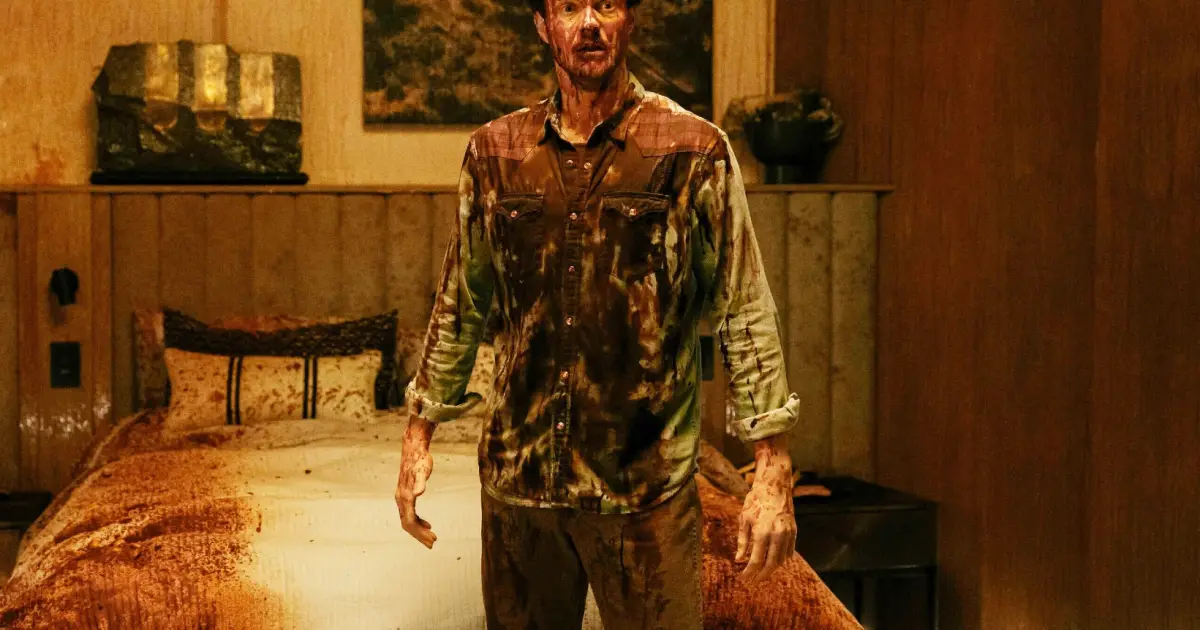
Let’s be honest—sometimes the hardest part of finding your next binge-watch isn’t deciding what to watch, but convincing yourself to press play on something that’s been sitting in your queue for years. We’ve all been there, scrolling through endless thumbnails, reading the same descriptions, and then giving up to rewatch an old favorite. If that show is Amazon Prime Video’s The Boys, consider this your sign to finally click play. After five seasons of jaw-dropping twists, wild satirical swings, and some of the most memorably unhinged characters on television, the series wrapped up in May with its long-awaited fifth and final season. If you haven’t watched yet, don’t worry—there’s no better moment to dive in and see what all the noise has been about. The show has spent years building a reputation for being brutally funny, shockingly violent, and surprisingly thoughtful, and it’s exactly the kind of series that rewards a proper binge. On the surface, it sounds like a simple pitch: what if superheroes were the bad guys? But The Boys goes far deeper than that, asking messy questions about power, corruption, media, and the stories we tell ourselves about heroes. It’s a show about an ordinary group of vigilantes trying to take down the powerful, government-backed “Supes” who are supposed to be protecting the world—except many of them are narcissistic sociopaths like Homelander, played with terrifying charisma by Antony Starr. The Supe-run corporation Vought International controls the image of these so-called heroes, turning them into celebrities and products, while the ragtag team known as The Boys tries to expose the rot underneath. It’s cynical, yes, but it’s also weirdly hopeful about ordinary people fighting back. And in 2026, a show like this feels less like escapism and more like a mirror held up to a very strange world. So grab your remote, clear your weekend, and get ready—because once you start, it’s almost impossible to stop.
At the heart of The Boys is a wonderfully subversive idea that sounds simple but is actually surprisingly rare: superheroes are not inherently good. For decades, comics, movies, and cartoons have taught us to assume that people with extraordinary powers will naturally use them for justice. The Boys flips that assumption on its head and then stomps on it. In this world, the Supes are manufactured by Vought International; their heroics are marketing campaigns, their costume changes are brand management, and their flaws are carefully hidden by a corporate machine that knows exactly how to sell a fantasy. The most powerful group among them, the Seven, is less a team of saviors and more a collection of deeply damaged, dangerous individuals who happen to have incredible abilities. Homelander, in particular, is a perfect villain for our age—an all-American icon with a god complex, a fragile ego, and a complete lack of empathy. He is the kind of character who makes your skin crawl every time he smiles, and Starr’s performance is so good it’s almost scary. It would be easy to make a shallow parody of superheroes, and there have been attempts; 2019’s Brightburn, for example, gave us an evil Superman but didn’t have much to say beyond the gimmick. The Boys, by contrast, uses its subversion as a starting point for intelligent, layered storytelling. It asks what would actually happen if the most powerful beings on the planet were also the most privileged, unaccountable people in society. The answer, the show suggests, is that they’d be weaponized by capitalism, exploited by corporations, and celebrated by a public that never sees the bodies behind the cape. This is not the kind of nuance you get from most superhero blockbusters. The Boys has no interest in noble sacrifices or clean moral lessons; instead, it embraces a cynical worldview and refuses to apologize for it. But that cynicism never feels cheap, because it’s grounded in real human behavior. The show constantly reminds us that systems, not just individuals, create monsters—and that the line between hero and villain is often just a matter of who controls the narrative. It’s a grim message, but also a strangely empowering one, because it suggests that stories matter, and that changing the story can change the world.
If you’re exhausted by the polished, PG-13 style of the Marvel Cinematic Universe or the self-serious gloom of DC’s recent output, The Boys is a shock to the system in the best possible way. It’s an R-rated, darkly funny, gloriously messy alternative that refuses to look away from the consequences of superpowered battles. The show understands that if two superhuman beings fought in the middle of a city, there would be carnage—blood, bone, and collateral damage everywhere—and it isn’t afraid to show that. But the violence in The Boys is never just gratuitous. It’s used to make a point, to shock you out of complacency, and to remind you that the stakes are real. What makes the show even more remarkable is that it manages to be genuinely funny while doing all of this. The humor is irreverent, sometimes juvenile, often dark, but always effective. It never feels stale or forced, and it never undercuts the emotional weight of the story. That’s probably because comedy veterans Seth Rogen and Evan Goldberg are executive producers; they previously helped bring Garth Ennis’s other graphic novel series, Preacher, to television, so they know a thing or two about balancing outrageous content with genuine heart. The show also takes on some truly heavy themes—sexual violence, trauma, addiction, the toxic side of celebrity culture—and treats them with surprising maturity. It doesn’t exploit these issues for shock value, and it doesn’t shy away from them either. Instead, it weaves them into the characters’ lives in ways that feel real and earned. This combination of brutal violence, smart humor, and emotional honesty is incredibly difficult to pull off, but The Boys makes it look easy. Every episode leaves you a little breathless, a little uncomfortable, and eager to see what outrageous thing will happen next. It’s the kind of show that makes other superhero stories feel almost naive by comparison, and it proves that you can be dark, gritty, and mature without losing sight of the fun that made you love the genre in the first place. There’s a joy in its audacity, a sense that the creators are having a blast pushing boundaries, and that energy is infectious. You might flinch, you might laugh, you might cover your eyes—but you won’t be bored.
Where The Boys truly excels, though, is in its ability to make you think. This is a show that doesn’t just satirize superhero tropes; it holds up a mirror to our own world and dares us to look. The series takes on political tensions that feel ripped from the headlines—rising authoritarianism, right-wing conspiracies, fanaticism, and the way extremist ideologies get exploited for corporate and political gain. Characters like Homelander and Firecracker, played by Valorie Curry, aren’t just cartoon villains; they’re disturbingly recognizable types, the kind of public figures who weaponize fear and resentment to build power. Homelander’s arc, in particular, is a chilling exploration of what happens when absolute power meets zero accountability. Over the course of the show, he becomes increasingly unhinged, and the most recent season pushes this to its logical conclusion by essentially making him the supreme leader of the United States. It sounds absurd, and part of the show’s genius is that it makes that absurdity feel terrifyingly plausible. The Boys also interrogates corporate greed and the way modern politics are manufactured. Vought International isn’t just a stand-in for a company; it represents the merger of celebrity, media, and politics, where images are carefully crafted, narratives are controlled, and truth is whatever polls best. The show understands that power in our world isn’t just about strength—it’s about perception, PR, and the ability to convince people to believe a lie. That’s what makes the social commentary in The Boys so sharp. It’s not preachy or didactic; it’s woven into the fabric of the story, so you’re laughing one minute and then suddenly realizing the show is describing something you saw on the news today. You don’t have to agree with every political point the show makes to appreciate its intelligence. What matters is that it’s asking the right questions, the ones most mainstream superhero stories are too afraid to touch. It’s a show about power—who has it, how they use it, and what it does to them—and that’s a story that never goes out of style. In a world where truth often feels stranger than fiction, The Boys somehow makes sense of the madness without pretending to have easy answers. It’s uncomfortable, but sometimes discomfort is exactly what we need.
Now, if you’re still on the fence, let’s talk about why this is the perfect moment to finally start watching. For one thing, the show is finished. There’s no waiting a year and a half for the next season, no agonizing over cliffhangers and fan theories—you can watch the entire story unfold at your own pace, from the very first episode to the final, long-anticipated ending. That’s a rare gift in the age of prestige television, where shows are often canceled before they can finish or dragged out long past their natural ending. The Boys got to end on its own terms, and that makes the binge experience deeply satisfying. You can savor the early seasons, take breaks when the violence gets to be too much, and still have the comfort of knowing the whole journey is right there waiting for you. But beyond the practical reasons, there’s something about the cultural moment that makes The Boys feel especially relevant. The world in 2026 is chaotic, polarized, and often hard to make sense of. News cycles move fast, truth feels slippery, and the line between hero and villain in real life seems to blur more every day. The Boys taps into that chaos and gives it a narrative shape. It’s cathartic to watch a show that names the dysfunction we all feel, even if it does so through the lens of superheroes and corporate satire. It’s also just fun. In a time when so much entertainment is designed to be safe and soothing, there’s something exhilarating about a show that’s willing to be messy, provocative, and unapologetically adult. It doesn’t want you to feel comfortable; it wants you to feel something. And that’s exactly what you need when you’re trying to escape the stress of daily life—not an escape that numbs you, but one that wakes you up. Whether you’re watching for the action, the comedy, the political commentary, or just the sheer audacity of it all, The Boys delivers something you won’t find anywhere else. It’s the kind of show you’ll want to talk about with friends, argue about online, and maybe even rewatch to catch all the details you missed the first time. So if you’ve been waiting for a sign to start, this is it. The water is warm. The binge is waiting. All you have to do is press play.
At the end of the day, The Boys is more than just a shocking superhero drama. It’s a story about people—flawed, damaged, occasionally heroic people—who are trying to find their way in a world that doesn’t make sense. It’s about the ordinary folks who refuse to bow down to the powerful, and about the monsters that power creates when it goes unchecked. It’s about friendship, loyalty, trauma, and the messy, complicated business of trying to do the right thing in impossible circumstances. Yes, there are exploding heads and laser eyes and moments that will make you gasp, but underneath all of that is a beating heart. The show has made us care about characters like Butcher, Hughie, Starlight, and the rest of the crew, even when they do terrible things. It has made us hate villains like Homelander with a passion that feels almost personal. And it has made us think, long after the credits roll, about what it really means to be a hero. That’s a rare achievement for any show, and it’s why The Boys will be remembered as one of the defining series of its era. If you haven’t watched it yet, you owe it to yourself to see what the fuss is about. Just be prepared: it’s not for the faint of heart. The violence is graphic, the themes are heavy, and the humor is often in very bad taste. But if you can handle that, you’ll be rewarded with one of the most exciting, thought-provoking, and emotionally resonant shows on television. It’s a show that will make you laugh and wince in the same scene, that will break your heart and then make you roll your eyes at a ridiculous sight gag. That combination is rare, and it’s what makes The Boys so special. So go ahead—open Prime Video, hit play on The Boys, and let yourself get pulled into a world that’s terrifying, hilarious, and surprisingly human. You might come for the shock value, but you’ll stay for the characters, the commentary, and the story. And once you’ve finished that final season, you’ll understand exactly why everyone wouldn’t shut up about it. You’ll also be a little sad that it’s over, which is the best compliment you can give any show.