


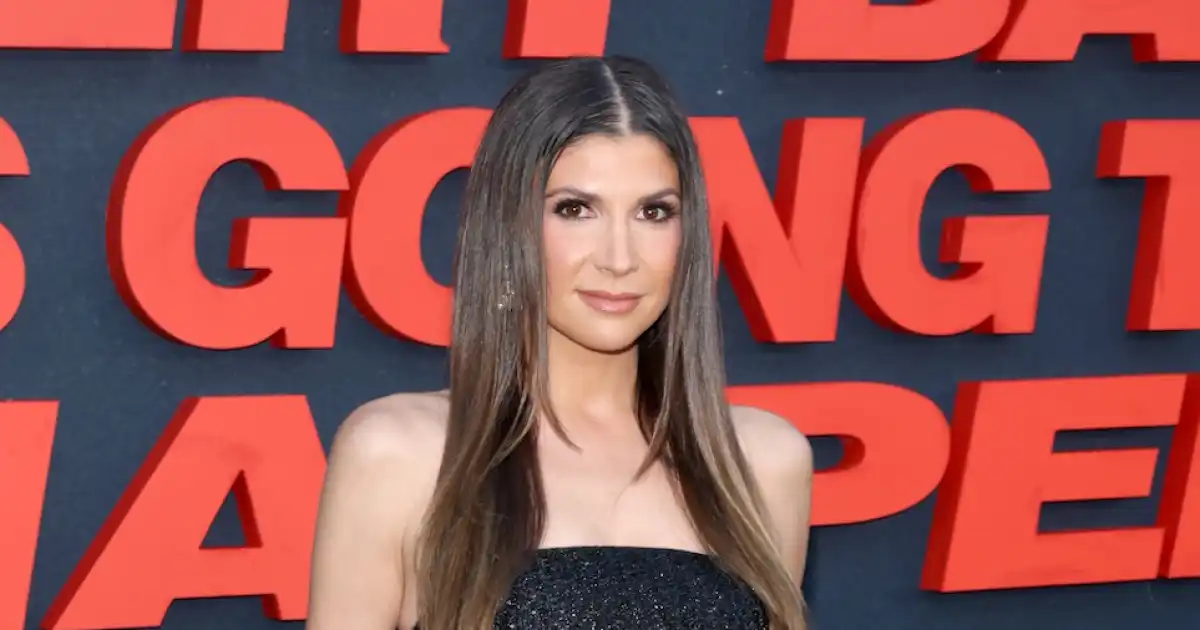
Reality television often blurs the line between public entertainment and private pain, a harsh reality that The Valley star Janet Caperna recently experienced firsthand. In a deeply personal and vulnerable Instagram post shared on July 8, the 36-year-old Bravo personality opened up about the overwhelming anxiety of having her childhood sexual assault revealed to millions of viewers. Janet confessed that the sudden realization of her private trauma being broadcast on national television hit her with paralyzing force. For decades, she had actively run away from this painful chapter of her life, desperately trying to prevent it from defining her. Now, she faces the terrifying prospect of this deeply sensitive experience being scrutinized, dissected, and permanently attached to her public identity wherever she goes.
Despite having months to mentally prepare for the episode’s release, Janet candidly admitted to her followers that the emotional weight of the situation proved too heavy to carry. She expressed profound regret and offered a sincere apology to her close friends and family, many of whom learned about her assault for the first time by watching the show rather than hearing it from her directly. Janet explained that she had fully intended to make personal phone calls to break the news gently to her loved ones. However, when the moment came, the sheer gravity of the conversation paralyzed her. Fearful of darkening otherwise beautiful days with her heavy trauma, she “chickened out,” leaving her inner circle to absorb the shocking revelation alongside the rest of the viewing public.
This raw admission of fear followed a highly emotional episode of The Valley, which catalyzed the conversation around Janet’s past. During a sit-down discussion with co-star Lala Kent, Janet addressed a previous controversy involving fellow cast members Danny Booko, Jasmine Goode, and Melissa Marie. Reflecting on her choice of words during that conflict, Janet admitted she should have handled the situation differently. She explained to Lala that her intense, protective reactions to the situation were deeply rooted in her own unhealed wounds. This confrontation forced Janet to confront the painful memories she had spent a lifetime suppressing, ultimately leading her to share her own history of assault on camera.
Sharing her story on television required Janet to dismantle decades of denial and self-blame. On the show, she recounted an incident from her school days when a boy put his hands on her without her consent. For years, she coped by pretending the encounter was a consensual hookup, a survival mechanism born out of a desperate need to protect herself from the community’s judgment. Sadly, the aftermath proved to be incredibly hostile; she was subjected to relentless bullying, name-calling, and slut-shaming, while the boy involved faced absolutely no consequences. Decades later, during a therapy session just a year ago, her therapist helped her realize that freezing in fear during the encounter did not mean she consented. Processing the realization that she was a victim of sexual assault proved to be an incredibly slow and painful journey.
The emotional toll of reliving this trauma in the public eye culminated in a day of physical and emotional paralysis for Janet on the day of the broadcast. In her Instagram post, she described feeling entirely unable to move, overwhelmed by the desire to take back her words and return to the quiet, familiar pain of keeping her secret safe. She lamented that the secondary trauma she experienced—the years of cruel schoolyard bullying and social ostracization—often felt much worse than the physical assault itself. The dread of facing a similar wave of public judgment and online scrutiny as an adult lay heavily on her chest as the episode aired.
Despite her immense vulnerability and fear, Janet selflessly closed her message by reaching out to other survivors of sexual assault, offering them a sense of solidarity. She acknowledged the tragic reality that so many people carry the same paralyzing pain, urging survivors to remember that they are never truly alone, even on their darkest and most debilitating days. By sharing her raw, unfiltered truth, Janet transformed a moment of intense personal anxiety into a beacon of support for others. For anyone navigating the painful aftermath of similar experiences, resources like the National Sexual Assault Hotline at 1-800-656-HOPE (4673) remain available to offer confidential support and guidance.