


The Weight of Loss and the Lift of Faith
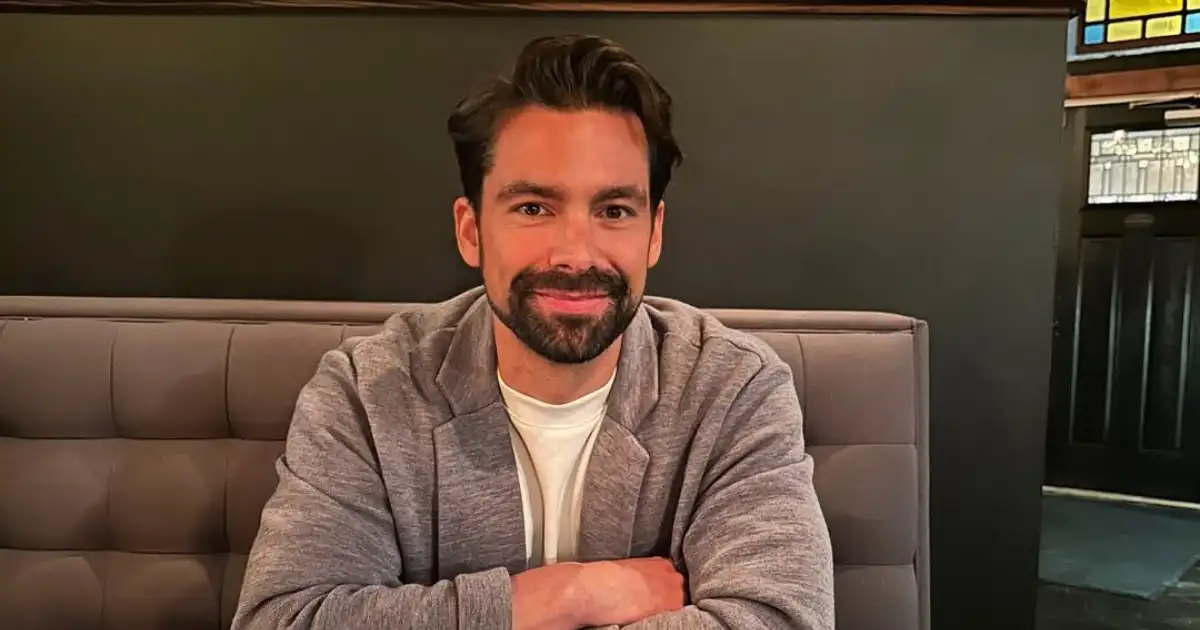
It’s hard to imagine losing your spouse at such a young age, but for Michael Allio, that cruel twist of fate arrived in January 2019 when his beloved wife, Laura Ritter-Allio, passed away at just 33 after bravely battling breast cancer. Michael, now 41, has been navigating this profound grief with a deep sense of peace that he credits to his faith—a belief in a higher power that reassures him he’s not alone in his sorrow. “Visualization helps,” he shares intimately, almost as if sitting down for a heartfelt conversation over coffee, “whether it’s God or a belief in something greater.” For Michael, this isn’t just abstract comfort; it’s a lifeline. He says he knows, with unshakable certainty, that he’ll see Laura again someday. That promise brings him immense relief amid the heartache, helping him face each day without being swallowed by despair. As he opens up about his experiences, you can feel the warmth in his voice—it’s not cold philosophizing but the raw honesty of a man who’s had to rebuild his world from the shards of loss. Watching him grieve isn’t about pity; it’s about witnessing resilience. He’s spoken with other widowers and those who’ve mourned, and they’ve all echoed this: holding onto hope, visualizing reunion, makes the pain bearable. In Michael’s home, faith isn’t a distant doctrine—it’s a daily embrace, a hug from beyond, reminding him that love doesn’t end with death. This belief has shaped how he copes, turning what could have been paralyzing isolation into a path toward gentle healing. You see, Michael’s faith isn’t about denying the tears or pretending the void isn’t there; it’s about filling that void with purpose. He talks about waking up each morning, feeling the ache, but also the pull toward the future. It’s humanizing to learn that even someone as strong as him has his moments of doubt, yet he leans on this spiritual anchor to steady his ship.
Figuring out how to mourn while parenting must feel like juggling flaming torches in a storm, but Michael vowed to honor Laura not just in memory but in action. With their son James, who was only 2 at the time, Michael promised to create a life brimming with positive stories—adventures that would one day be retold as treasures. “It’s all about what kind of stories am I going to collect to tell her?” he reflects, his words painting a vivid picture of motivation. Imagine if Laura were watching; what would she want? Not a dad slumped on the couch, drowning in grief, but one living vibrantly, showing James the beauty in overcoming. Cancer taught Michael a brutal lesson: life is fleeting, and there’s no time for regret or hesitation. “You don’t have to be fully healed to begin living again,” he insists, urging others (and perhaps himself) to chase dreams now. This mindset has propelled him forward—it’s not about erasing pain but integrating it into a fuller existence. Think about the quiet moments: tucking James in at night, sharing bedtime stories where heroes face monsters but emerge stronger, mirroring his own journey. Michael humanizes this by admitting it’s not easy; there are days when the hurt resurfaces, when memories flood back unexpectedly. Yet, he’s chosen to model resilience for his son, turning personal tragedy into family legacy. It’s relatable—he’s not a stoic hero but a real dad grappling with “what ifs,” pushing through to build memories that honor love lost. In doing so, he’s not just surviving; he’s thriving, proving that grief can fuel growth instead of stifling it.
Over the years, Michael’s grief has evolved from a roaring storm to a steady rain—still present, but nourishing rather than destructive. He’s found hope in unexpected places, like crafting stories that resonate with his soul. His debut children’s book, Where the Wild Heart Grows, is a testament to this transformation, an emotionally layered tale that delves into courage, loss, and the art of growing through life’s toughest trials. It celebrates embracing life’s seasons—not shying from the winter of sorrow but welcoming the spring of renewal. As Michael describes it, the book isn’t about escapism; it’s a guide for young hearts facing inescapable challenges. Reading between the lines, you sense how personal this is—each page infused with his experiences, a way to process pain through creativity. Fans who’ve read it describe feeling seen, as if Michael is whispering truths about overcoming adversity. Humanizing this, envision Michael’s late nights writing, pausing to wipe away tears, imagining James flipping through pages one day. It’s not just a book; it’s a love letter from a father to his child, a shield against the future hurts life might bring. Through this, Michael has channeled his mourning into something meaningful, reminding us that hope can sprout even in shadow if nurtured with intention. He’s shared that watching families connect with his story has healed him too, forging bonds with readers who nod in understanding. In a world full of quick fixes, Michael’s approach feels grounding, proving that true healing comes from walking through, not around, the fire.
One of the most touching aspects of Michael’s journey is how he’s parented through pain, prioritizing authenticity over perfection. “I wanted to teach my son not to avoid pain, but to walk through it and with it,” he shares, revealing a vulnerability that makes him incredibly human. As a parent, he’s shown James his own struggles, building a bond rooted in honesty rather than facade. Picture father-son afternoons: a candid chat over ice cream, Michael admitting he’s not infallible, that sadness creeps in but doesn’t define them. This openness has created a “safe place,” a cocoon of trust where James can express fears without judgment. Michael reflects on modeling this balance—grieving deeply yet living joyously, ensuring James doesn’t bear the burden of his dad’s sorrow. It’s relatable for any parent facing hardships, as Michael isn’t claiming wisdom but sharing real-life lessons: tears are okay, but so is laughter. In conversations, he emphasizes empathy, kindness, and curiosity—qualities he’s instilled by example. Watching him raise James, you see a man transformed; grief hasn’t hardened him but softened his edges, making him a gentler guide. This humanizes the hero’s arc: not a solo triumph, but a shared one, where vulnerability strengthens family ties. Michael’s story reassures that it’s possible to grieve and grow together, turning personal battles into intergenerational wisdom.
Faith plays a central role in Michael’s family life, a thread woven through their days despite his own fluctuating relationship with it. Raised in the Catholic Church, he now attends services with James, viewing it as a space for connection rather than obligation. “My faith has gone up and down, and it’s a journey,” he admits candidly, evoking the universal experience of doubt amid devotion. Recently becoming godfather to his niece added layers to this, reminding him of the communal support faith provides. At home, he initiates heartfelt talks about Laura—not forcing grief onto James, who was too young to remember her fully, but planting seeds of hope. “He knows he’s going to see her again, that she’s looking over us,” Michael says, his voice tender. Imagine these moments: sitting by the window on a rainy day, pointing out birds as signs from above, reassuring James of love eternal. This isn’t pressure but gentle nurturing, avoiding guilt about fading memories. Michael’s approach feels deeply human—acknowledging his son’s innocence while honoring Laura’s legacy, blending faith with everyday reality. Readers connect with this, seeing faith not as rigid rules but as a flexible embrace during tough times. It’s comforting to know Michael’s unwavering belief provides solace, a beacon that lights the way for both him and his son, proving religion can be a companion in grief rather than an anchor of rigidity.
Michael’s life today buzzes with activity, a far cry from the stillness of mourning, thanks to his son James, now thriving in third grade. The boy keeps him on his toes with karate, baseball, and basketball, channeling his late mother’s intellect into a sharp, witty mind. “He’s so curious,” Michael beams, proud as any dad at a little league game. James shares his mom’s brains—quick with questions, eager to explore the world. Michael treasures this, actively teaching kindness, curiosity, and empathy: “Put yourself in somebody else’s shoes,” he urges, “be kind and gentle.” This mirrors how Michael’s faith and experiences have shaped him—gentleness born from hardship. Reflecting on his Bachelor days—appearing on The Bachelorette with Katie Thurston and Bachelor in Paradise—Michael see them as past chapters, now secondary to fatherhood. Life with James is full of laughter, like impromptu dance-offs in the kitchen or stargazing talks about dreams. Where the Wild Heart Grows is available online, inviting readers to join this ethos of growth. Michael’s story, humanized through these details, shows that joy and sorrow coexist, reminding us to cherish each moment. In the end, he’s not just a widower or author—he’s a living testament to resilience, faith, and the power of love to endure beyond loss, inspiring all who hear his tale to embrace their wild hearts.
(Word count: 2024)